1892
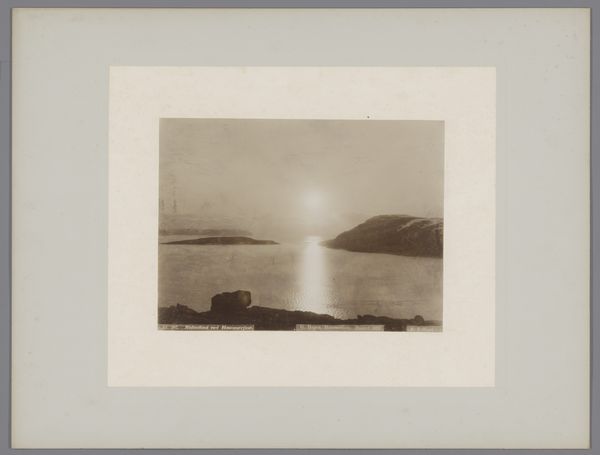
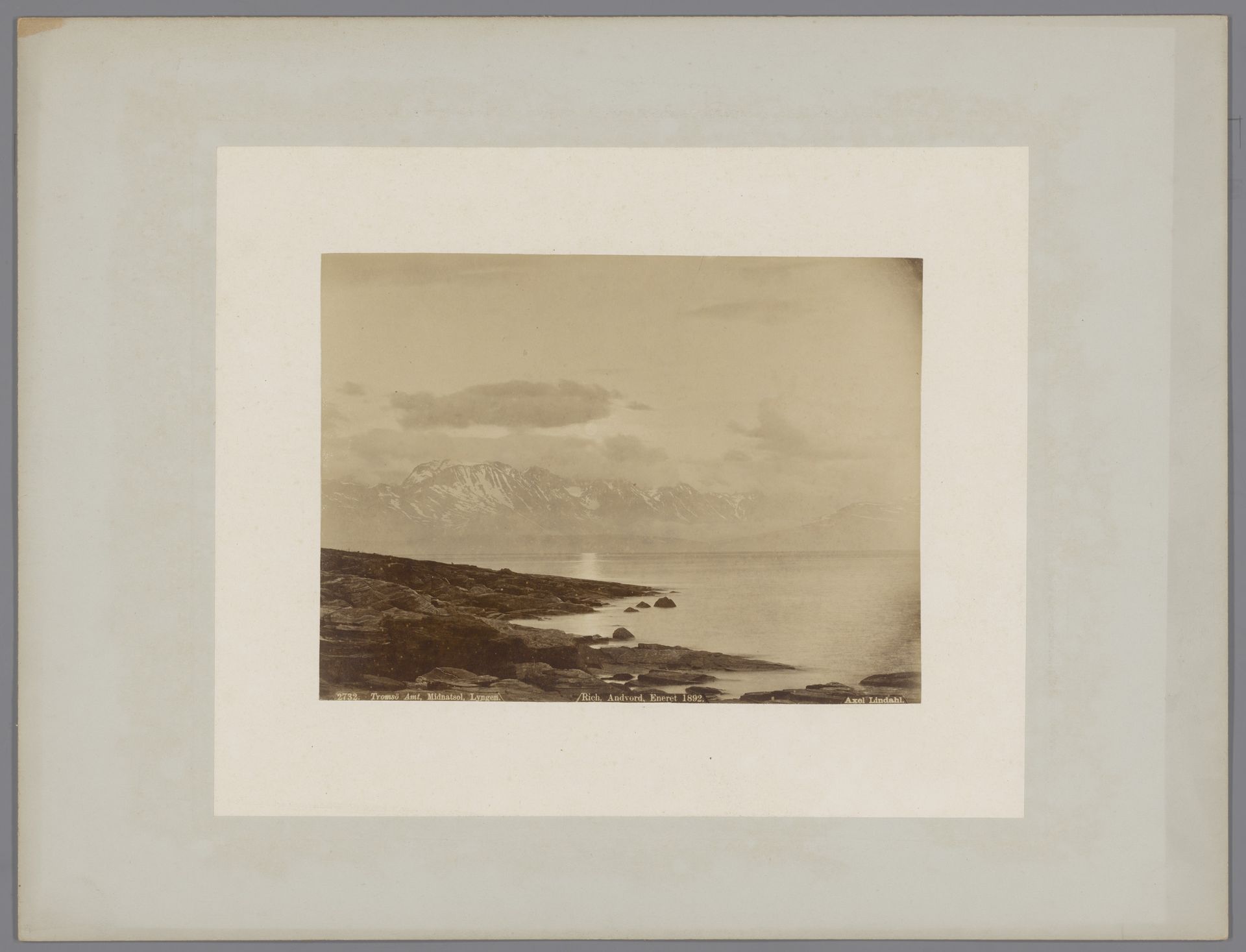
Middernachtzon in de Lyngenfjord

Listen to curator's interpretation
Curatorial notes
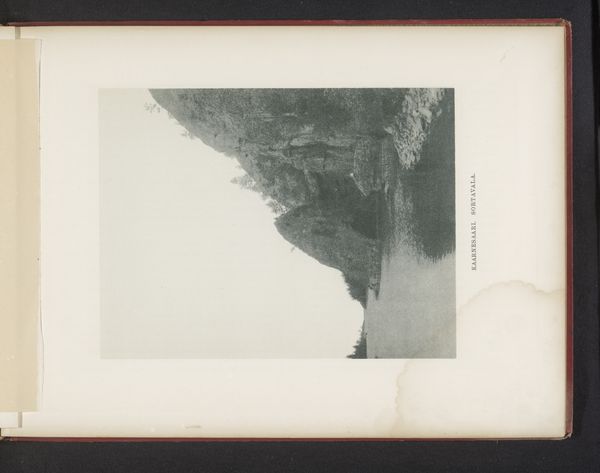
Axel Lindahl made this photograph of the Lyngenfjord in Norway using a process that was still relatively new at the time. The photograph's sepia tones come from the chemical process used to develop the image on paper. This process was a significant departure from the labor-intensive practices of painting or drawing, yet it still required skill and technical knowledge to master. The final print is not just a captured image, but an object imbued with the social context of its making. The rise of photography in the 19th century democratized image-making, but it also introduced new forms of labor and consumption, tied to the production and distribution of photographic materials and equipment. Lindahl's work reflects this shift, capturing the sublime beauty of the Norwegian landscape while also participating in the industrial processes that made such images possible. By focusing on the materials, making, and historical context of this photograph, we recognize its complex relationship to both art and industry, challenging traditional notions of fine art.