About this artwork
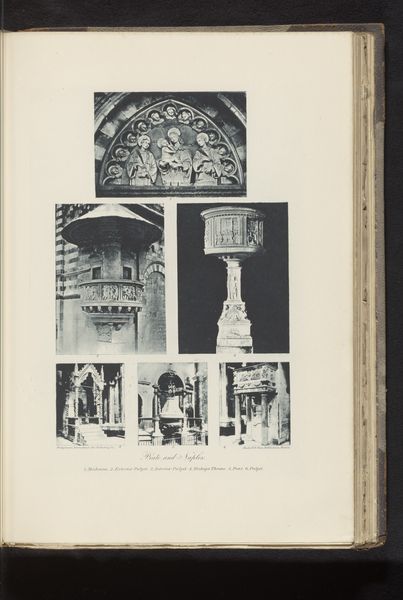
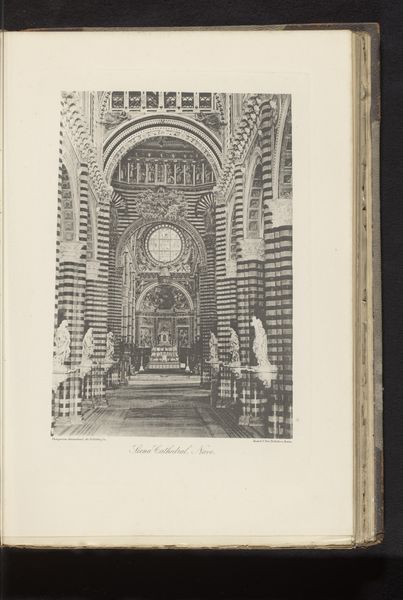
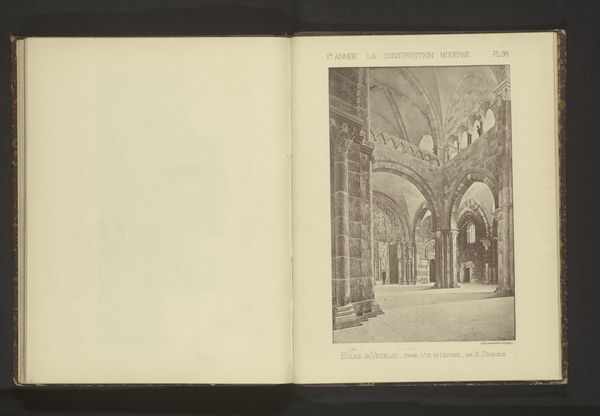
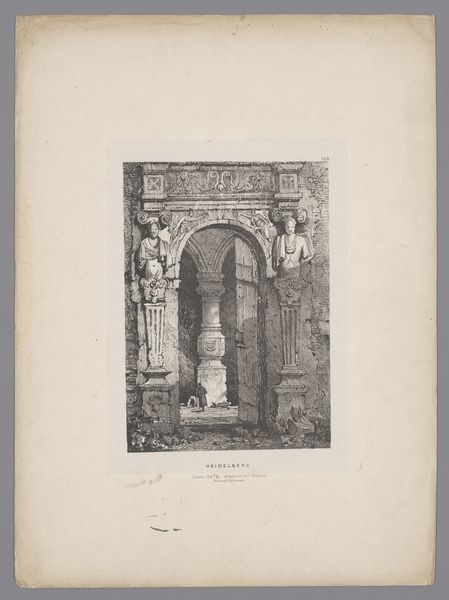
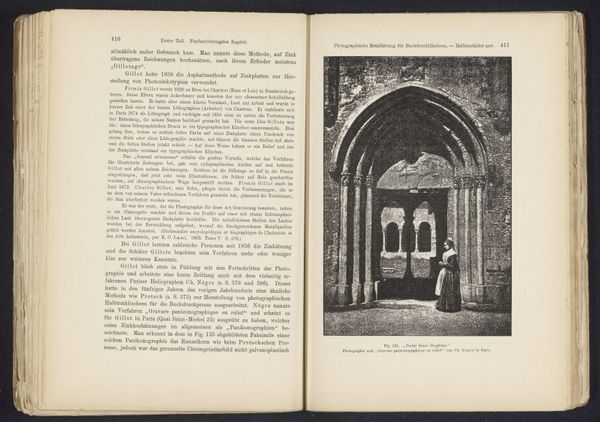
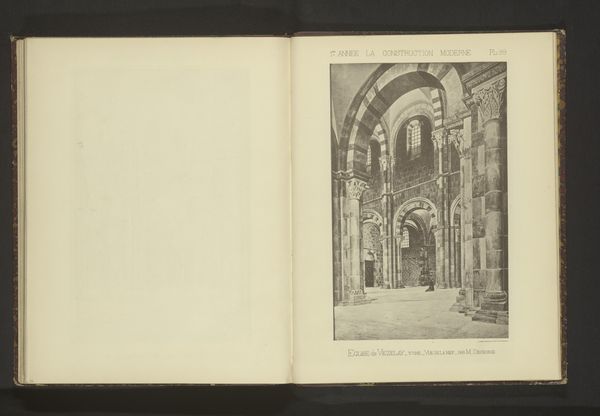
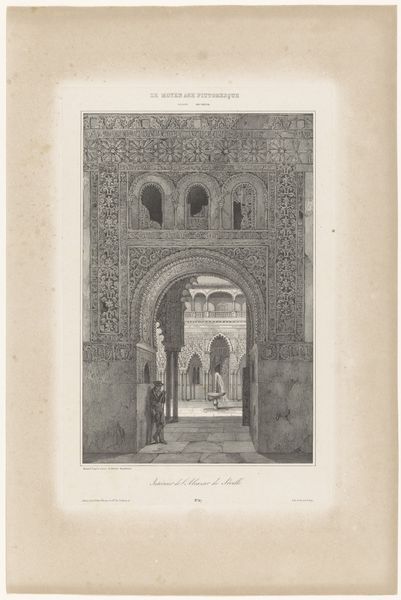
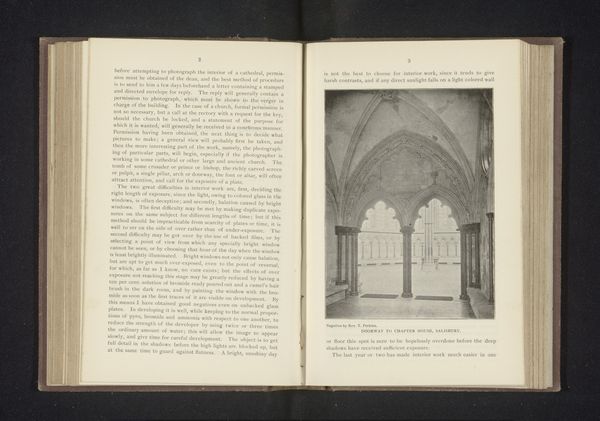
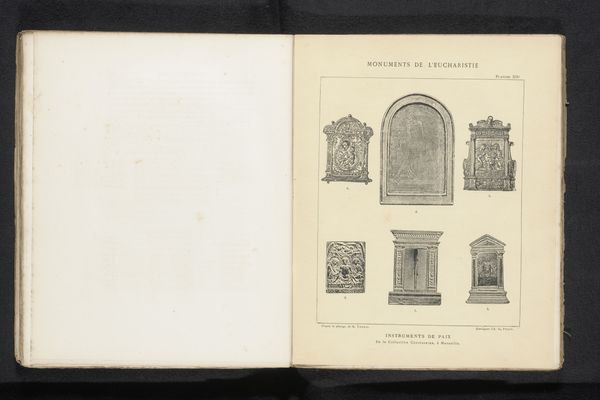
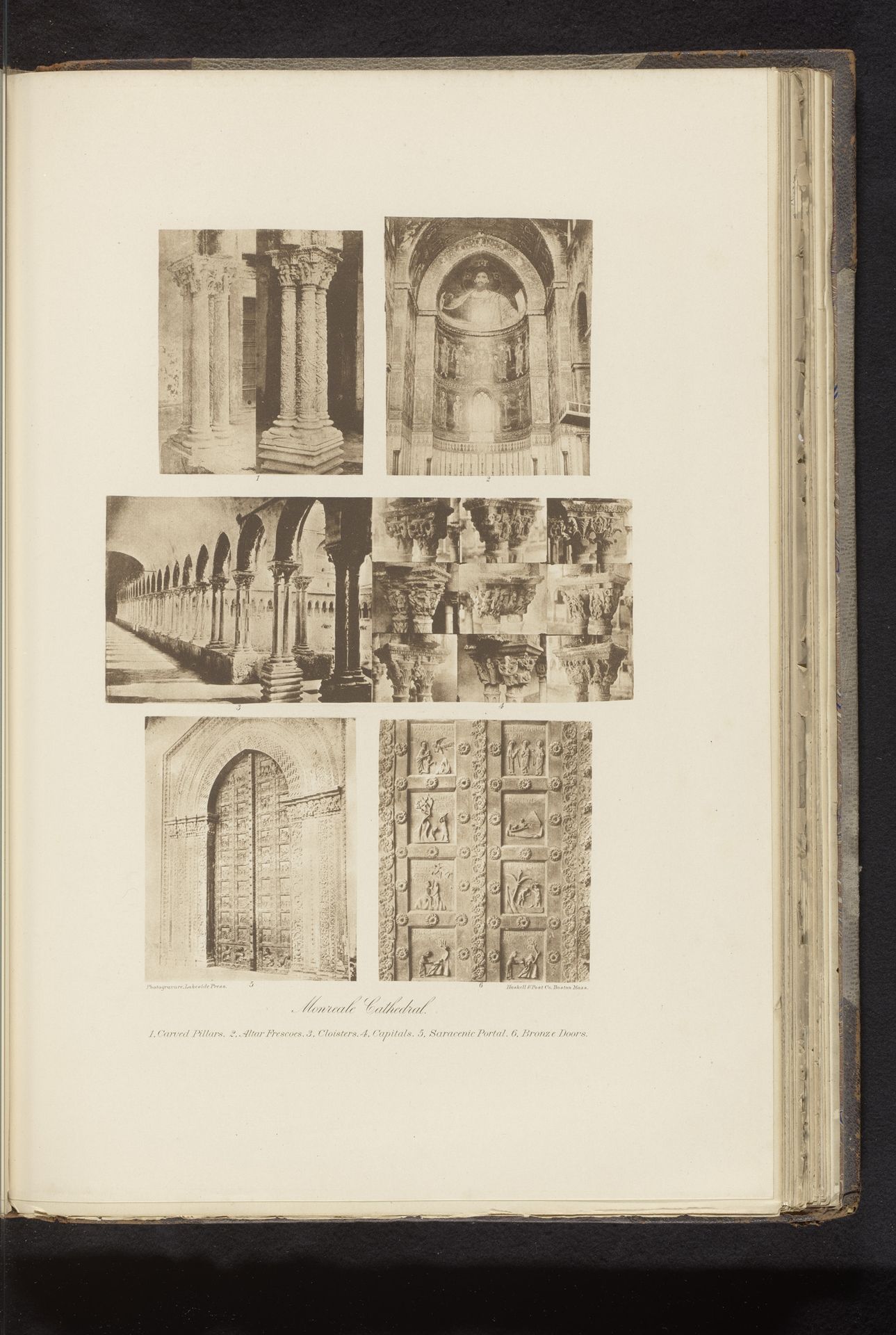
Editor: This gelatin-silver print, dating from before 1886, presents six details of the Monreale Cathedral. What strikes me is its documentarian quality; it feels like an architectural study. What insights can you offer on how the cathedral's imagery would have been received historically? Curator: It’s interesting that you use the word "documentarian," as this kind of image was emerging as a tool to record and, importantly, disseminate visual culture widely. Consider that this cathedral, a fusion of Norman, Arab, and Byzantine styles, was built under the patronage of King William II. Photographs like this democratized access to symbols of royal power and religious authority. Before this image, who could easily study these details? Editor: Very few, I imagine. It’s incredible how photography allowed people beyond the elite to engage with these architectural elements. It becomes a shared visual heritage, in a way. What purpose would it serve for someone to see all those details in a book like this? Curator: The act of compiling images in a sketchbook, or perhaps a survey, speaks to a desire to categorize and understand the world through visual data. These books also served as important sources of inspiration for architectural revival movements. The past became a wellspring for present and future designs, imbuing buildings with historical weight. Are there any contemporary parallels we can consider? Editor: Maybe architectural blogs or Instagram accounts documenting unique buildings? These images create a kind of virtual public space. Curator: Exactly. And, just as in the 19th century, this new accessibility changes how we perceive and interact with our built environment and consider who holds access to knowledge. This image reflects how cultural and artistic authority became intertwined with new technologies. Editor: This has made me realize the photograph is as much a record of the cathedral as it is a historical artifact reflecting shifting social dynamics around art consumption. Curator: Precisely, thinking about art means thinking about its changing public life.

Artwork details
- Medium
- print, photography, gelatin-silver-print, architecture
- Dimensions
- height 425 mm, width 300 mm
- Copyright
- Rijks Museum: Open Domain
Tags
Comments
Share your thoughts
About this artwork
Editor: This gelatin-silver print, dating from before 1886, presents six details of the Monreale Cathedral. What strikes me is its documentarian quality; it feels like an architectural study. What insights can you offer on how the cathedral's imagery would have been received historically? Curator: It’s interesting that you use the word "documentarian," as this kind of image was emerging as a tool to record and, importantly, disseminate visual culture widely. Consider that this cathedral, a fusion of Norman, Arab, and Byzantine styles, was built under the patronage of King William II. Photographs like this democratized access to symbols of royal power and religious authority. Before this image, who could easily study these details? Editor: Very few, I imagine. It’s incredible how photography allowed people beyond the elite to engage with these architectural elements. It becomes a shared visual heritage, in a way. What purpose would it serve for someone to see all those details in a book like this? Curator: The act of compiling images in a sketchbook, or perhaps a survey, speaks to a desire to categorize and understand the world through visual data. These books also served as important sources of inspiration for architectural revival movements. The past became a wellspring for present and future designs, imbuing buildings with historical weight. Are there any contemporary parallels we can consider? Editor: Maybe architectural blogs or Instagram accounts documenting unique buildings? These images create a kind of virtual public space. Curator: Exactly. And, just as in the 19th century, this new accessibility changes how we perceive and interact with our built environment and consider who holds access to knowledge. This image reflects how cultural and artistic authority became intertwined with new technologies. Editor: This has made me realize the photograph is as much a record of the cathedral as it is a historical artifact reflecting shifting social dynamics around art consumption. Curator: Precisely, thinking about art means thinking about its changing public life.
Comments
Share your thoughts