About this artwork
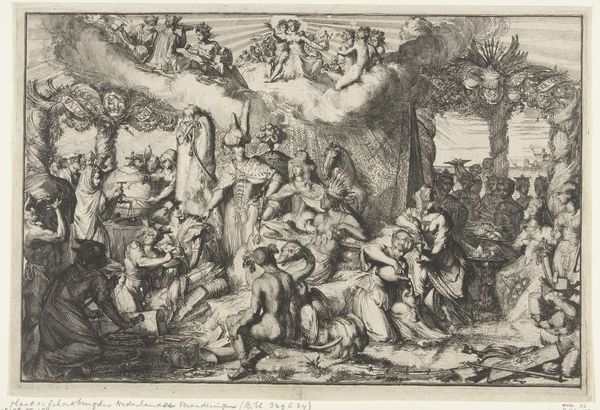
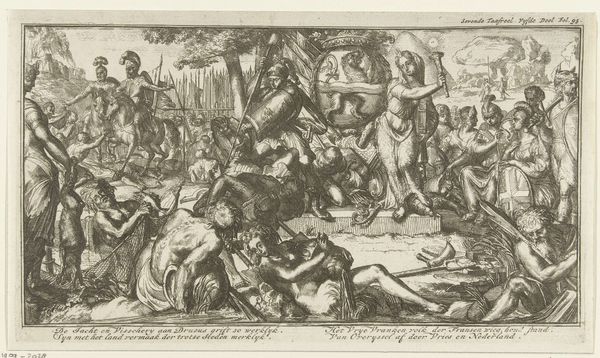
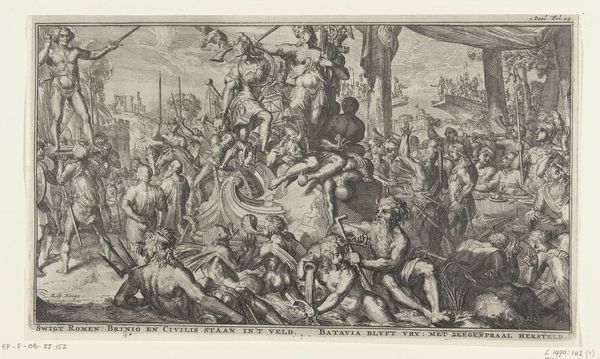
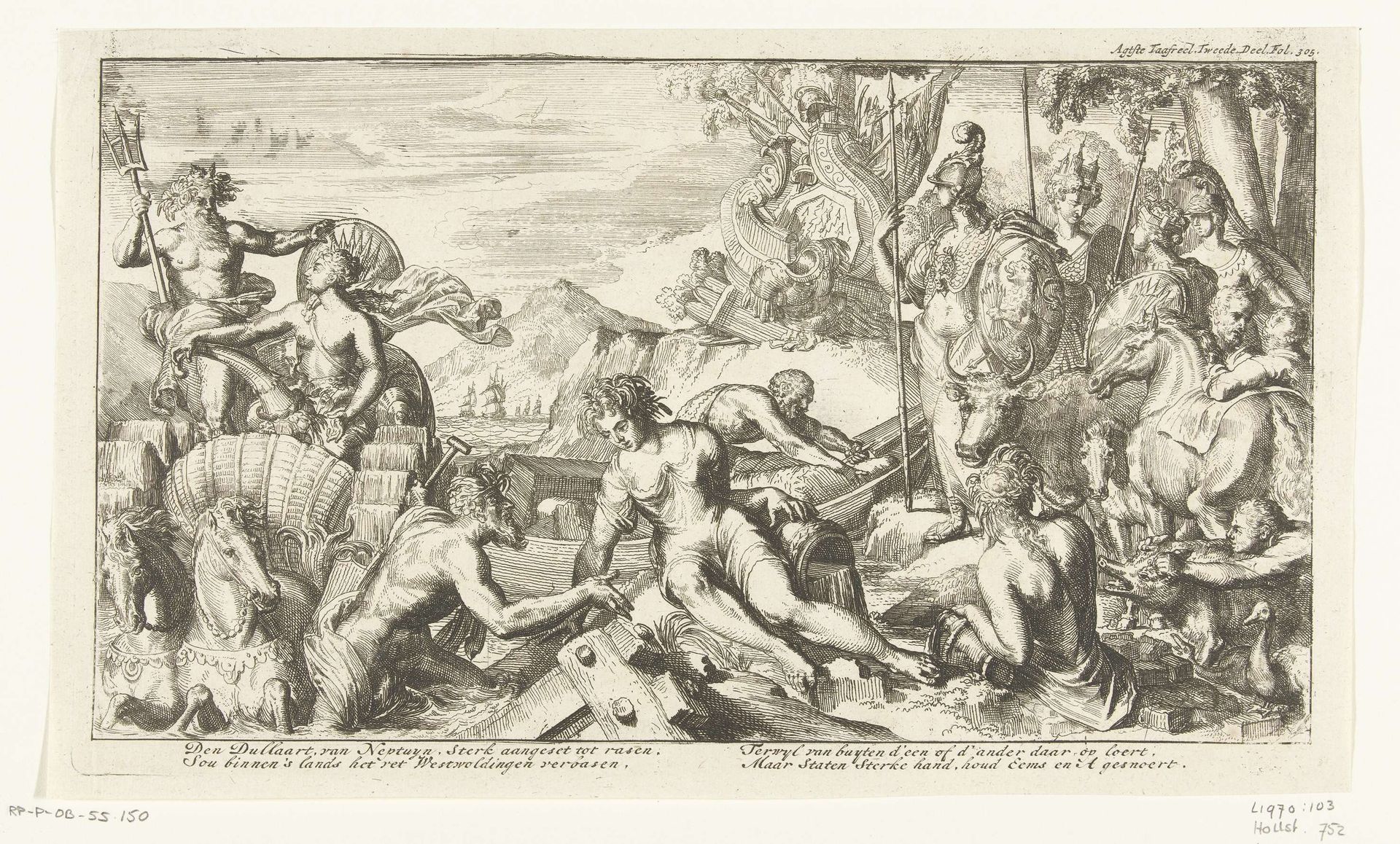
This allegory of East Frisia was etched by Romeyn de Hooghe. Behold Neptune, god of the sea, brandishing his trident amidst a scene teeming with symbolism. The trident, a recurring motif throughout history, appears in Mesopotamian art as the lightning bolt of storm gods. Its power transcends cultures; consider its presence in Hindu art as Shiva's weapon, symbolizing his command over destruction and creation. In this context, Neptune’s trident represents dominion over the coastal regions of East Frisia, an area deeply intertwined with the sea. The allegorical figures toil amidst symbols of trade and prosperity. Such visual language serves as a potent reminder of the cyclical nature of history, where symbols resurface, evolve, and adapt, engaging us on a subconscious level.

Artwork details
- Medium
- print, engraving
- Dimensions
- height 175 mm, width 294 mm
- Location
- Rijksmuseum
- Copyright
- Rijks Museum: Open Domain
Tags
allegory
baroque
landscape
figuration
line
history-painting
engraving
Comments
No comments
About this artwork
This allegory of East Frisia was etched by Romeyn de Hooghe. Behold Neptune, god of the sea, brandishing his trident amidst a scene teeming with symbolism. The trident, a recurring motif throughout history, appears in Mesopotamian art as the lightning bolt of storm gods. Its power transcends cultures; consider its presence in Hindu art as Shiva's weapon, symbolizing his command over destruction and creation. In this context, Neptune’s trident represents dominion over the coastal regions of East Frisia, an area deeply intertwined with the sea. The allegorical figures toil amidst symbols of trade and prosperity. Such visual language serves as a potent reminder of the cyclical nature of history, where symbols resurface, evolve, and adapt, engaging us on a subconscious level.
Comments
No comments