About this artwork
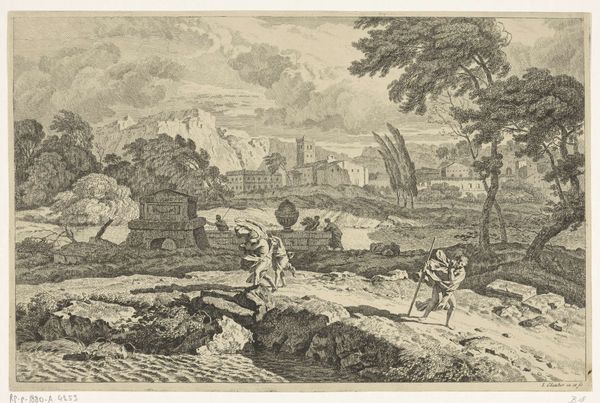
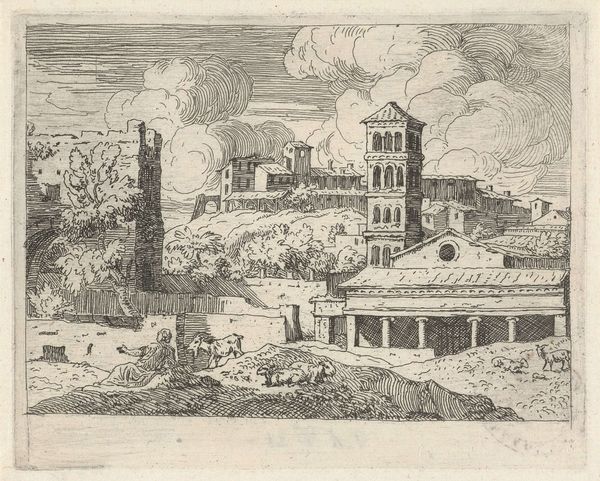
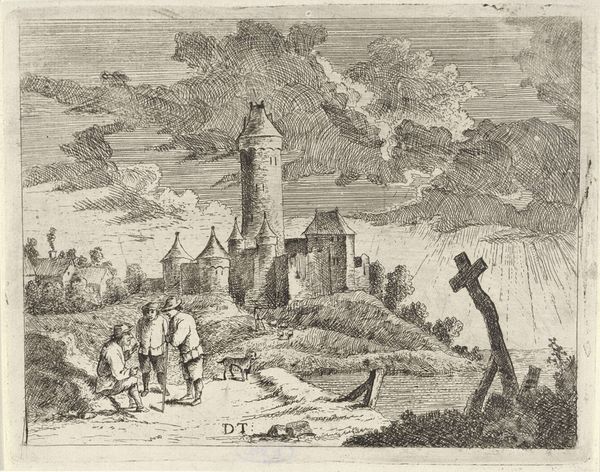
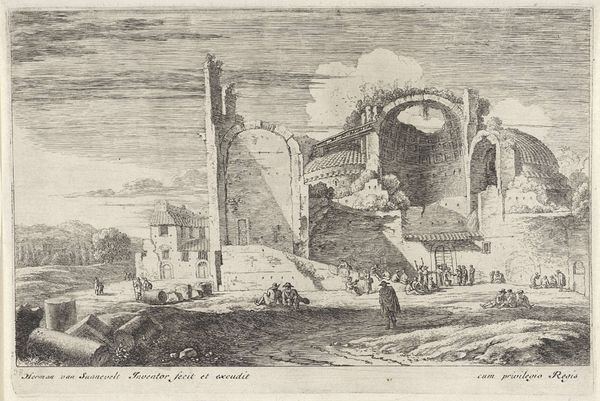
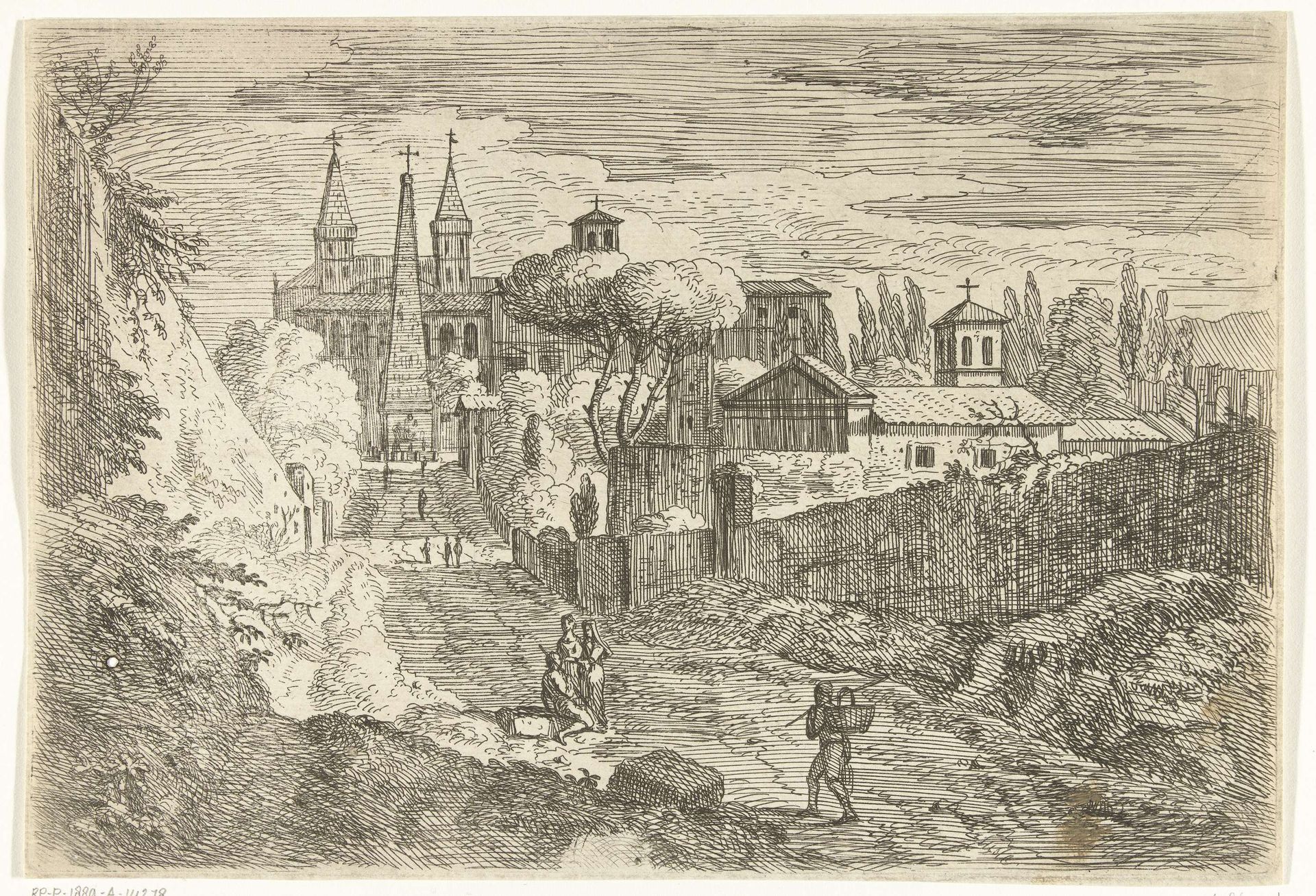
Jan Frans van Bloemen made this etching, Italianiserend landschap met reizigers bij stadsmuren, in the 17th or 18th century. Van Bloemen, a Flemish artist working in Rome, specialized in landscapes. His career coincided with the rise of landscape as an independent genre, one that allowed artists to express their feelings about the relationship between humanity and nature. This work shows his skill in organizing space through the use of light and shade, linear perspective, and atmospheric effects. But it also reveals a certain nostalgia. At this time, Rome was attracting artists from all over Europe, but these “Italianate” landscapes were as much about the artists’ home countries as they were about Italy. Art historians study travel accounts, letters, and other documents to better understand the social meanings that landscapes held for artists and audiences of this period.
Italianiserend landschap met reizigers bij stadsmuren 1689 - 1749

Artwork details
- Medium
- drawing, paper, ink
- Dimensions
- height 179 mm, width 260 mm
- Copyright
- Rijks Museum: Open Domain
Tags
drawing
baroque
landscape
paper
ink
cityscape
genre-painting
Comments
No comments
About this artwork
Jan Frans van Bloemen made this etching, Italianiserend landschap met reizigers bij stadsmuren, in the 17th or 18th century. Van Bloemen, a Flemish artist working in Rome, specialized in landscapes. His career coincided with the rise of landscape as an independent genre, one that allowed artists to express their feelings about the relationship between humanity and nature. This work shows his skill in organizing space through the use of light and shade, linear perspective, and atmospheric effects. But it also reveals a certain nostalgia. At this time, Rome was attracting artists from all over Europe, but these “Italianate” landscapes were as much about the artists’ home countries as they were about Italy. Art historians study travel accounts, letters, and other documents to better understand the social meanings that landscapes held for artists and audiences of this period.
Comments
No comments