About this artwork
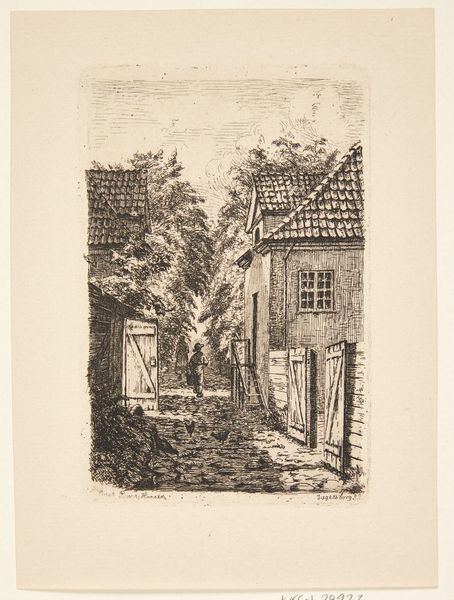
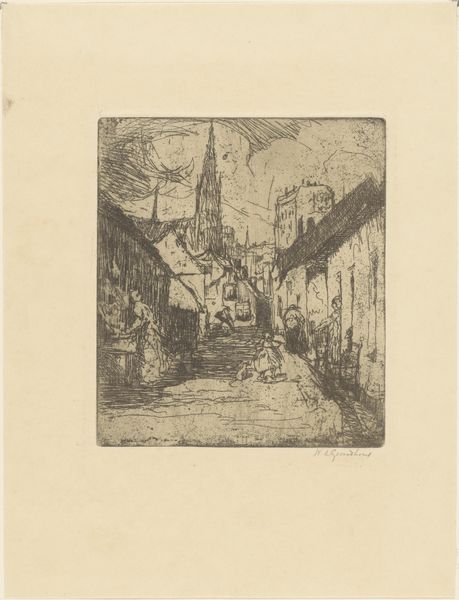
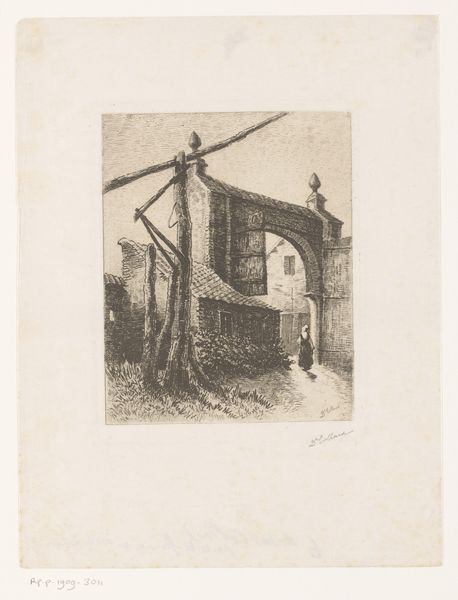
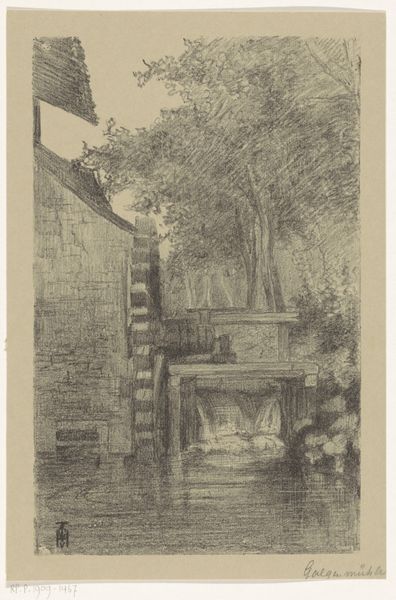
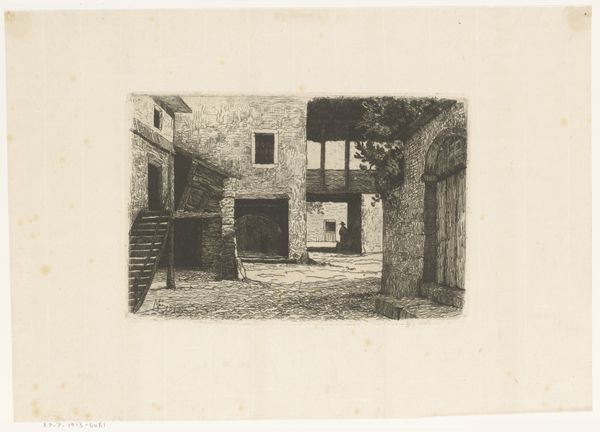
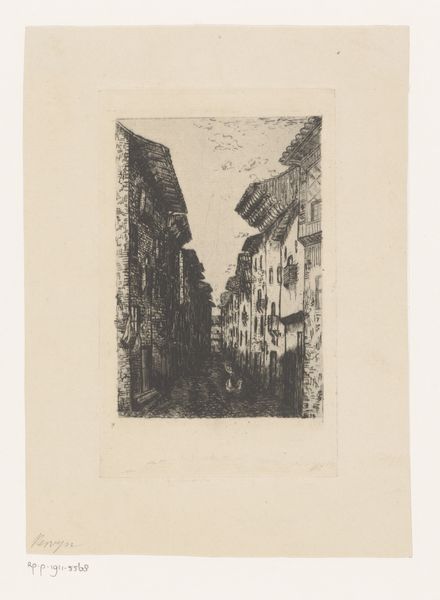
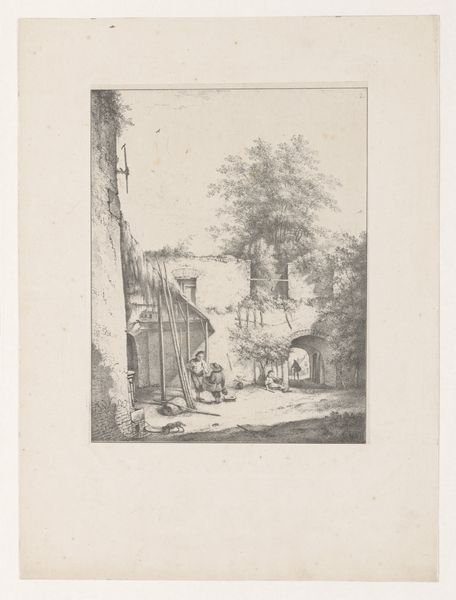
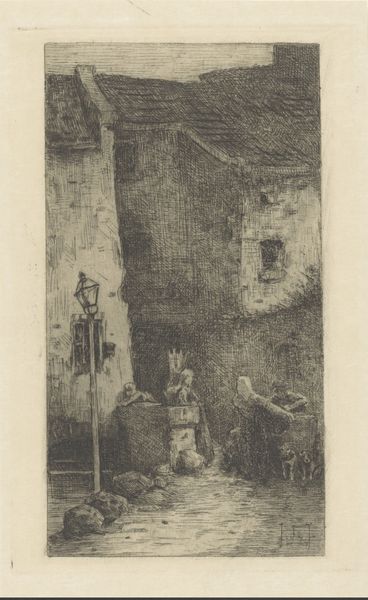
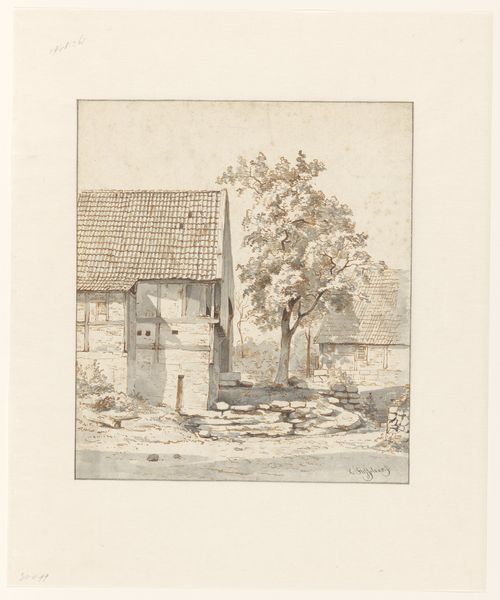
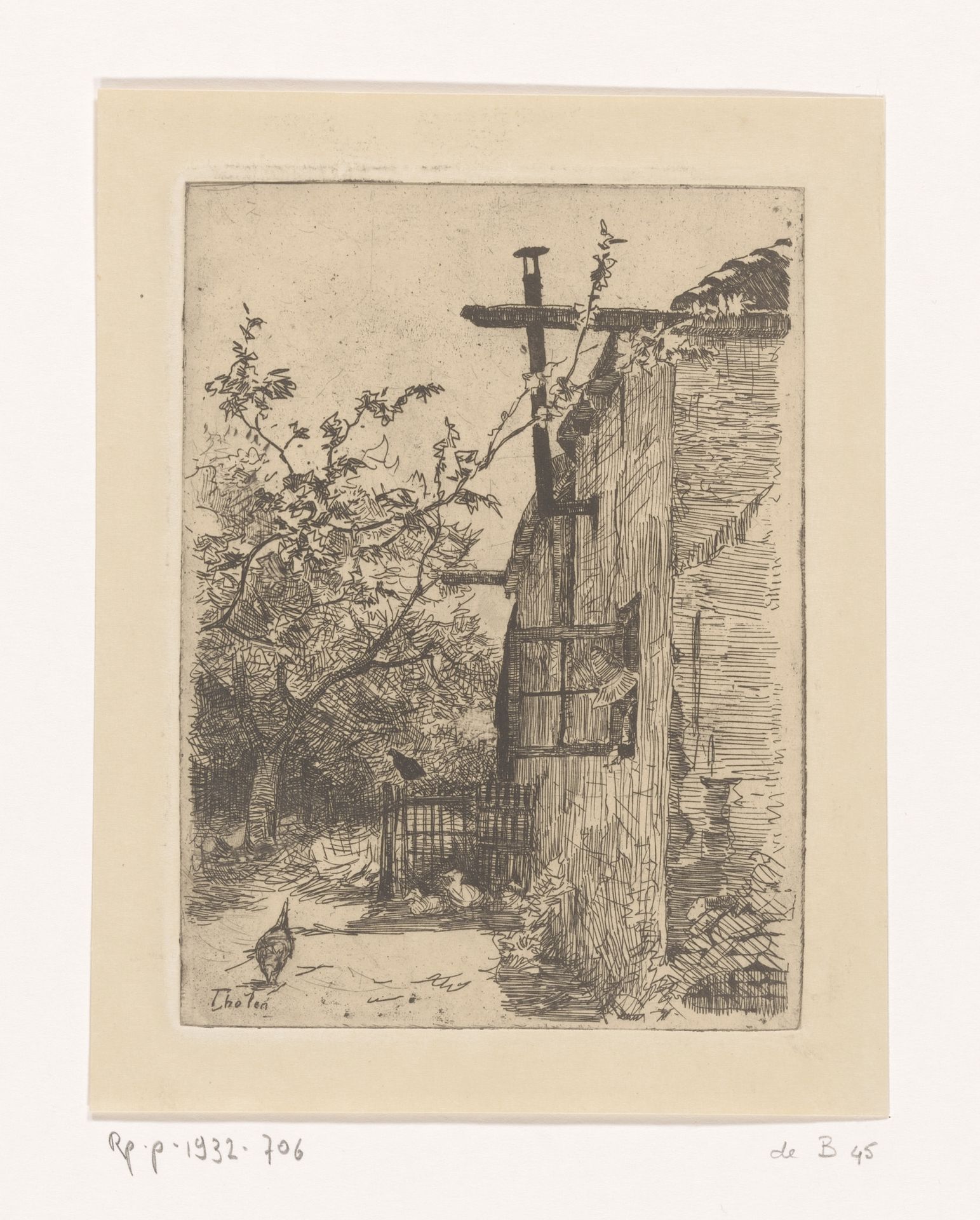
Willem Bastiaan Tholen created this print, "House with Open Window, with Birds and Fruit Tree", using etching techniques. The composition immediately draws you into a world rendered in meticulous detail. Tholen's delicate lines intricately describe the textures of the weathered building and lush foliage. Observe how the open window serves as a focal point, inviting the viewer to imagine the life within. Tholen uses the graphic language of etching to suggest a world of subtle contrasts and tonal variation. The lines, acting as signifiers, create a semiotic system that invites us to interpret not only the physical space, but also the broader context of rural life and domesticity. The print challenges the traditional boundaries between interior and exterior, private and public, inviting us to consider how these spaces intersect and influence our perception. The detailed etching technique highlights the interplay between structure and form, capturing the essence of a fleeting moment. Art, as exemplified here, exists in a perpetual state of interpretation, shaped by our ever-evolving understanding of the world.
Huis met openstaand raam, met vogels en fruitboom
1870 - 1931

Willem Bastiaan Tholen
1860 - 1931Location
RijksmuseumArtwork details
- Medium
- drawing, print, etching
- Dimensions
- height 133 mm, width 98 mm
- Location
- Rijksmuseum
- Copyright
- Rijks Museum: Open Domain
Tags
Comments
Share your thoughts
About this artwork
Willem Bastiaan Tholen created this print, "House with Open Window, with Birds and Fruit Tree", using etching techniques. The composition immediately draws you into a world rendered in meticulous detail. Tholen's delicate lines intricately describe the textures of the weathered building and lush foliage. Observe how the open window serves as a focal point, inviting the viewer to imagine the life within. Tholen uses the graphic language of etching to suggest a world of subtle contrasts and tonal variation. The lines, acting as signifiers, create a semiotic system that invites us to interpret not only the physical space, but also the broader context of rural life and domesticity. The print challenges the traditional boundaries between interior and exterior, private and public, inviting us to consider how these spaces intersect and influence our perception. The detailed etching technique highlights the interplay between structure and form, capturing the essence of a fleeting moment. Art, as exemplified here, exists in a perpetual state of interpretation, shaped by our ever-evolving understanding of the world.
Comments
Share your thoughts