About this artwork
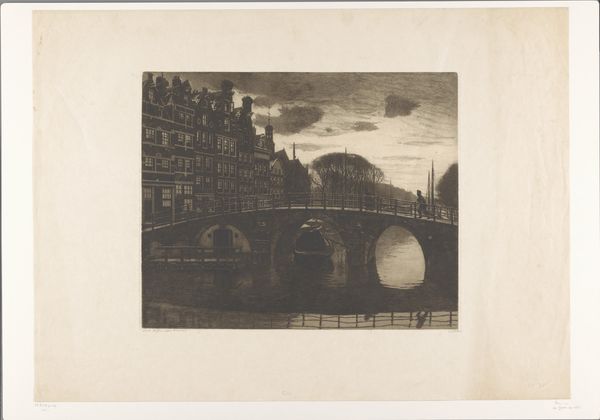
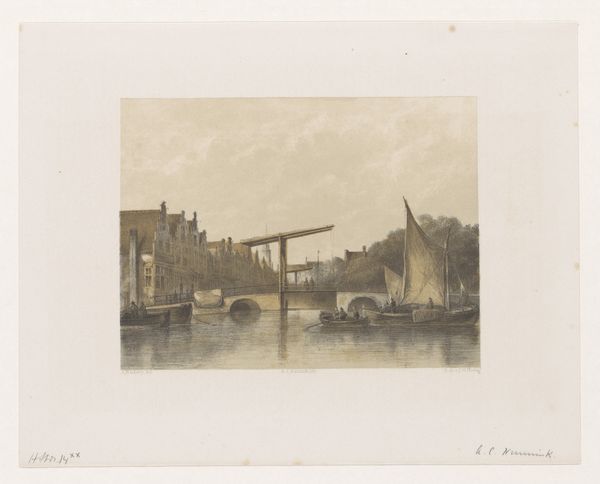
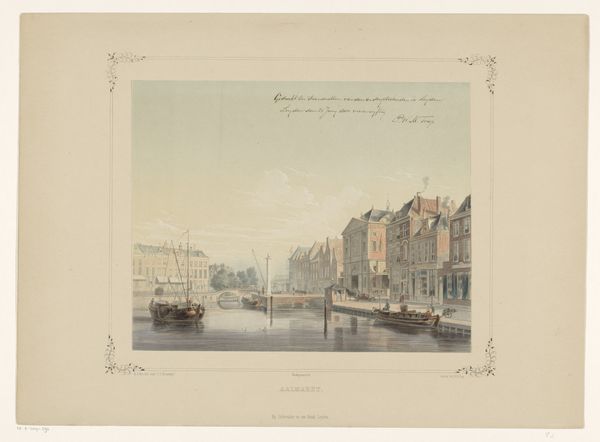
Jan Mesker envisioned Rotterdam's Rotte river with a railway in this print. Here, the river, traditionally a symbol of life and flow, is bisected by the rigid structure of a bridge, topped with railroad tracks. This juxtaposition embodies the tension between nature and the relentless march of progress. Consider the serpent, often depicted near rivers in ancient art. It embodies the river’s untamed power. Here, that primal energy is harnessed, bound by iron rails. This recalls the Laocoön, where serpents constrict and control. The emotional weight shifts from awe of nature to the anxiety of being dominated by technological advances. The Rotte, once a natural artery, is now a channel beneath industry. This transformation echoes in art across millennia, each era grappling with humanity's changing relationship with its environment.
Toekomstvisie op rivier de Rotte in Rotterdam met spoorlijn 1864

Jan Mesker
1843 - 1890Location
RijksmuseumArtwork details
- Medium
- drawing, print, etching
- Dimensions
- height 560 mm, width 685 mm
- Location
- Rijksmuseum
- Copyright
- Rijks Museum: Open Domain
Tags
drawing
dutch-golden-age
etching
landscape
cityscape
watercolour illustration
Comments
No comments
About this artwork
Jan Mesker envisioned Rotterdam's Rotte river with a railway in this print. Here, the river, traditionally a symbol of life and flow, is bisected by the rigid structure of a bridge, topped with railroad tracks. This juxtaposition embodies the tension between nature and the relentless march of progress. Consider the serpent, often depicted near rivers in ancient art. It embodies the river’s untamed power. Here, that primal energy is harnessed, bound by iron rails. This recalls the Laocoön, where serpents constrict and control. The emotional weight shifts from awe of nature to the anxiety of being dominated by technological advances. The Rotte, once a natural artery, is now a channel beneath industry. This transformation echoes in art across millennia, each era grappling with humanity's changing relationship with its environment.
Comments
No comments