About this artwork
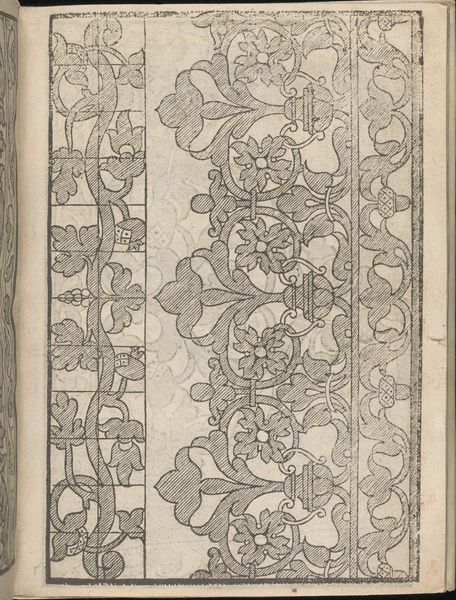
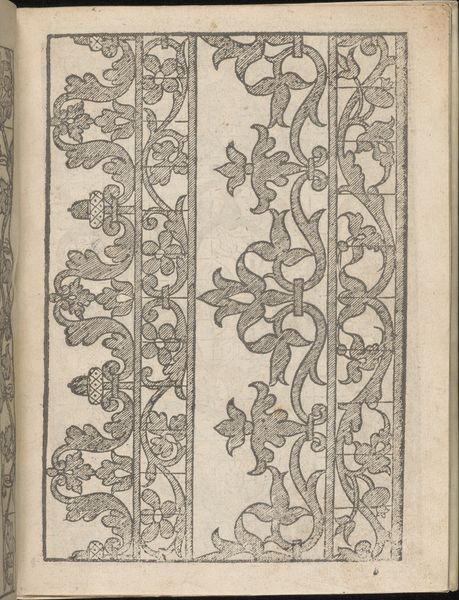
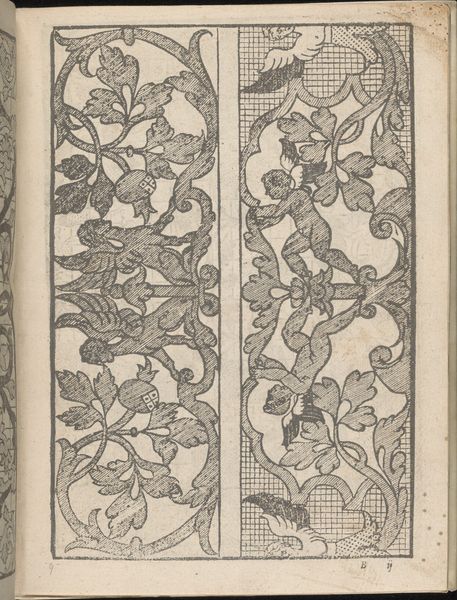
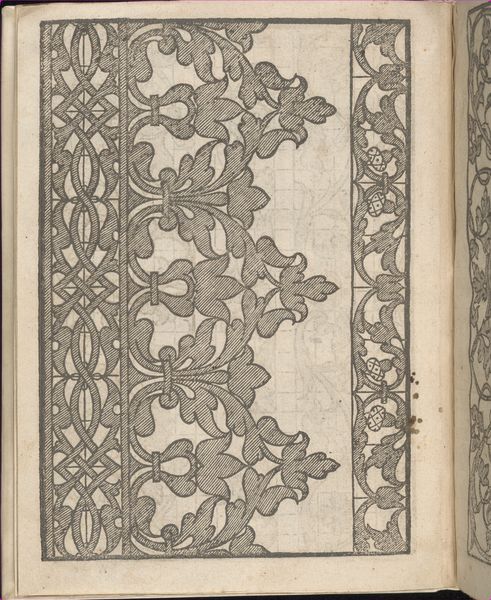
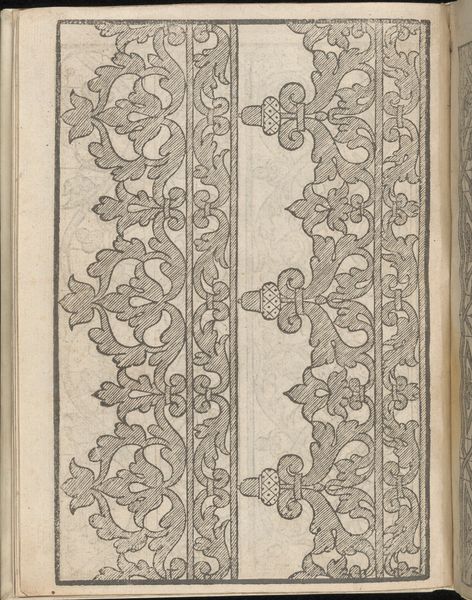
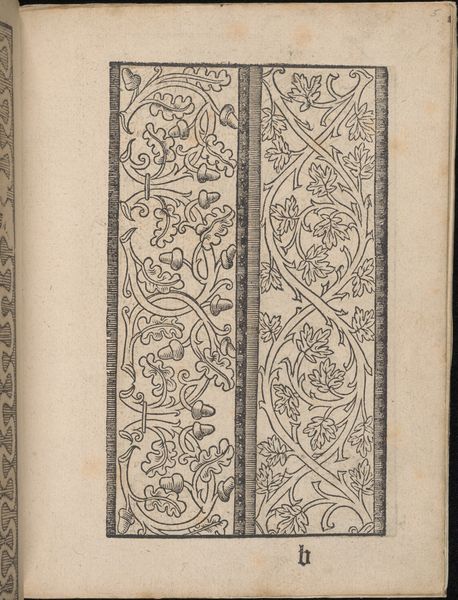
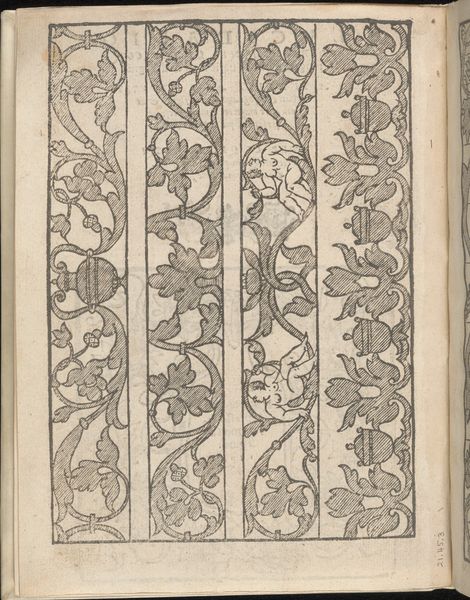
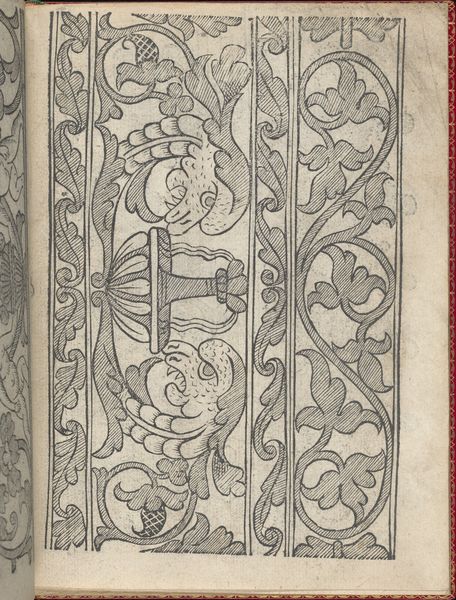
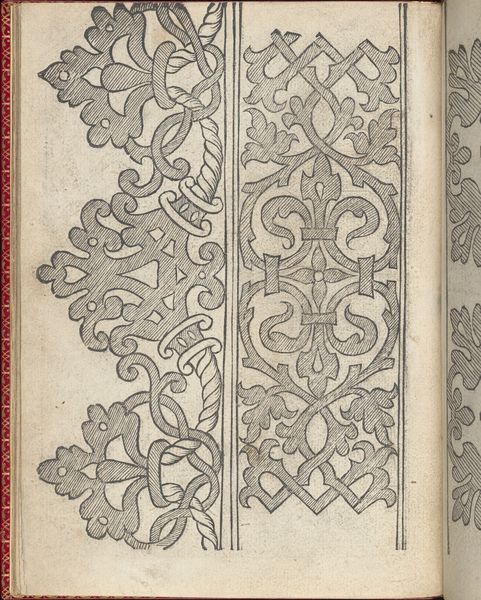
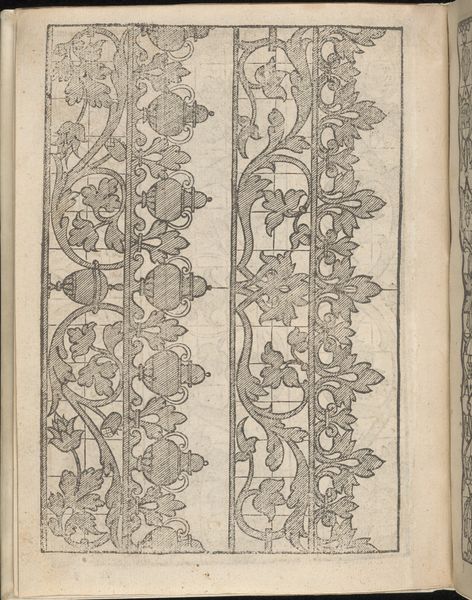
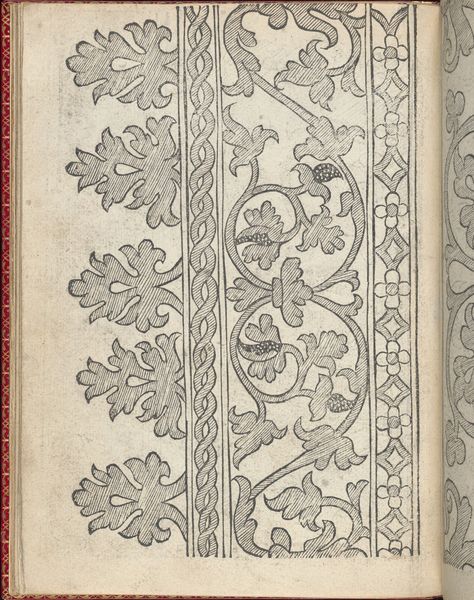
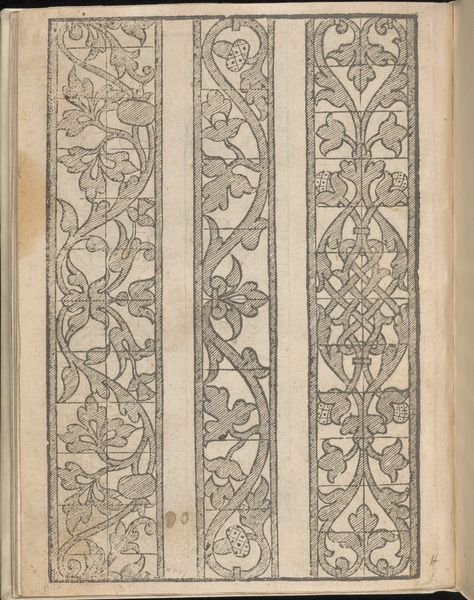
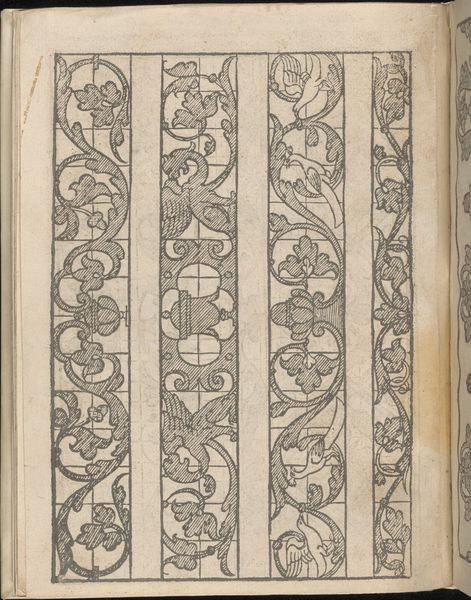
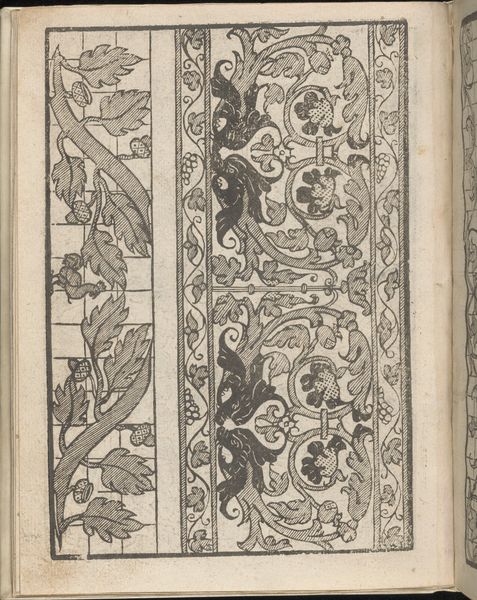
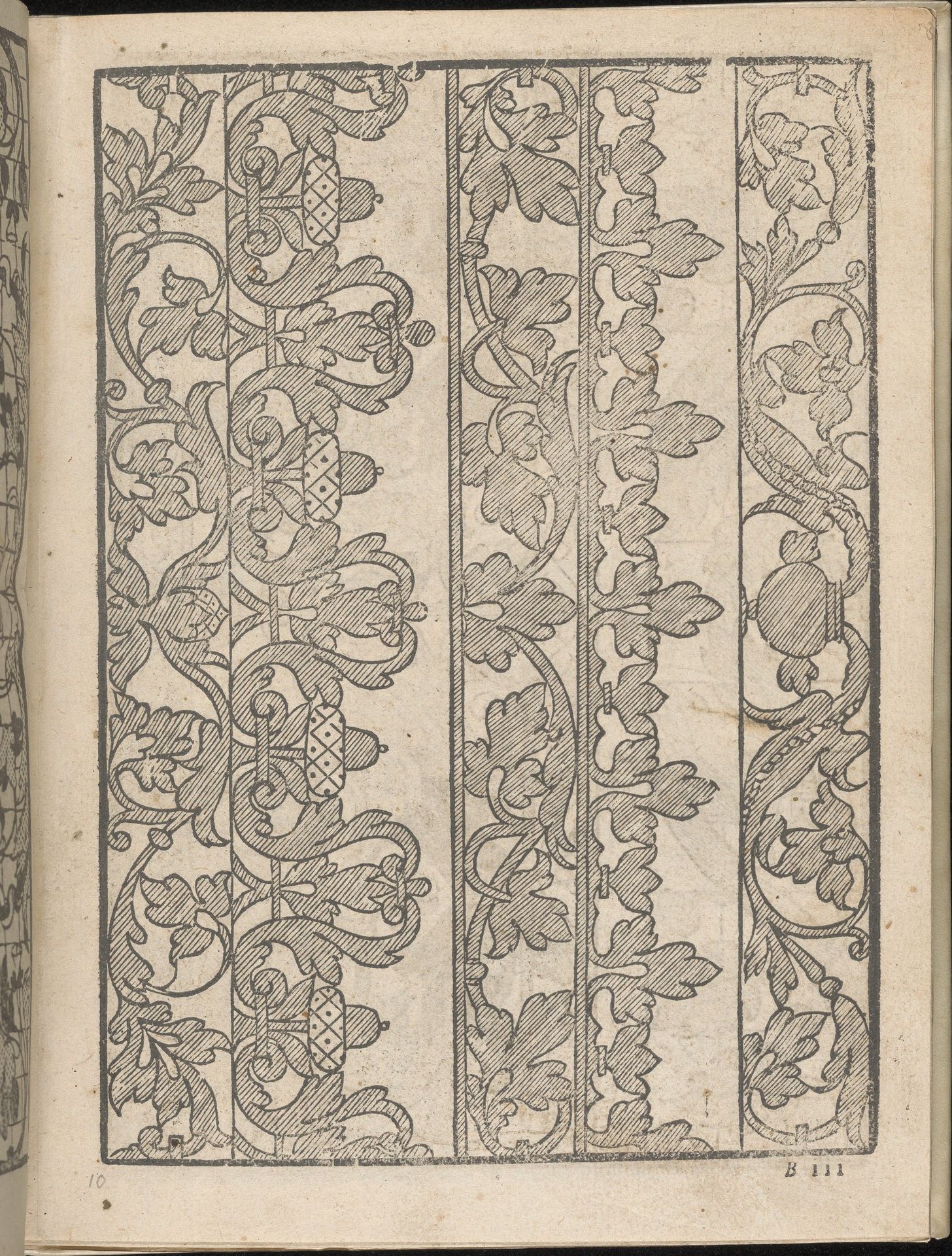
Iseppo Foresto created "Lucidario di Recami, page 10 (verso)" around the mid-16th century using woodcut on paper. The page is dominated by vertical bands of intricate, repeating patterns. A sense of rhythm is established through the structured arrangement of botanical motifs. The artwork is structured into a series of parallel vertical bands, each containing a unique decorative pattern. Notice how Foresto uses line and form to create a sense of depth and complexity within each band. There is a clear interplay between positive and negative space, where the detailed patterns are set against the stark background. The composition might seem simple at first glance, but if you look closer, you’ll see the detailed forms of leaves and vines, with geometric shapes adding a layer of visual interest. In the context of its time, pattern books like these served as guides for artisans and craftspeople. This page is not just decorative; it's a set of instructions and a reflection of the period's artistic tastes and practical needs.
Lucidario di Recami, page 10 (verso)
1564


Artwork details
- Medium
- drawing, print, pen
- Dimensions
- Overall: 7 7/8 x 5 7/8 in. (20 x 15 cm)
- Location
- Metropolitan Museum of Art, New York, NY
- Copyright
- Public Domain
Tags
Comments
Share your thoughts
About this artwork
Iseppo Foresto created "Lucidario di Recami, page 10 (verso)" around the mid-16th century using woodcut on paper. The page is dominated by vertical bands of intricate, repeating patterns. A sense of rhythm is established through the structured arrangement of botanical motifs. The artwork is structured into a series of parallel vertical bands, each containing a unique decorative pattern. Notice how Foresto uses line and form to create a sense of depth and complexity within each band. There is a clear interplay between positive and negative space, where the detailed patterns are set against the stark background. The composition might seem simple at first glance, but if you look closer, you’ll see the detailed forms of leaves and vines, with geometric shapes adding a layer of visual interest. In the context of its time, pattern books like these served as guides for artisans and craftspeople. This page is not just decorative; it's a set of instructions and a reflection of the period's artistic tastes and practical needs.
Comments
Share your thoughts