1782 - 1814
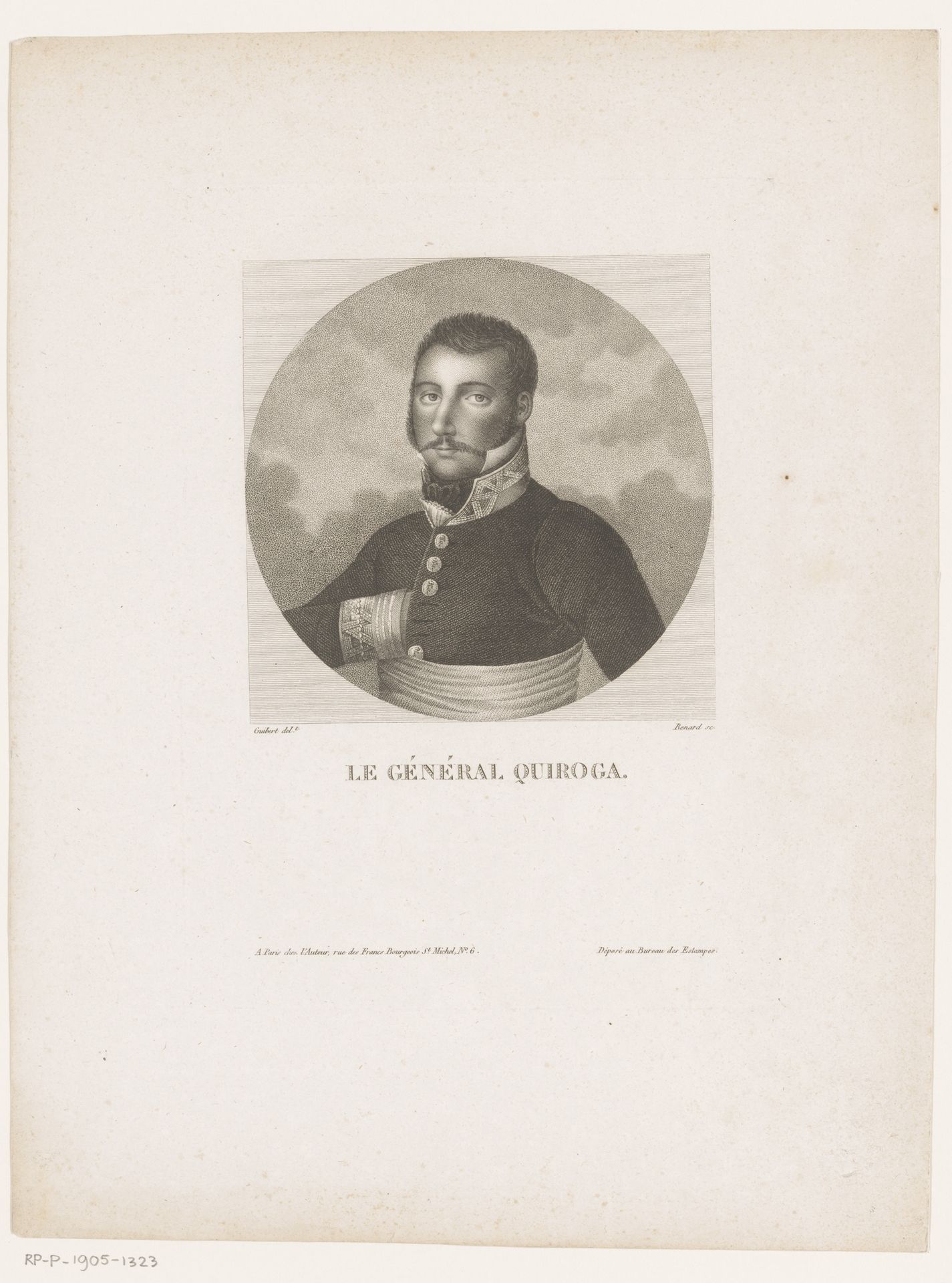
Portret van Antonio Quiroga

Listen to curator's interpretation
Curatorial notes
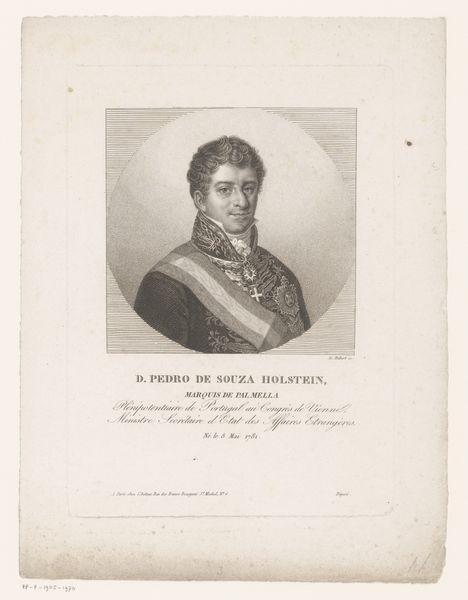
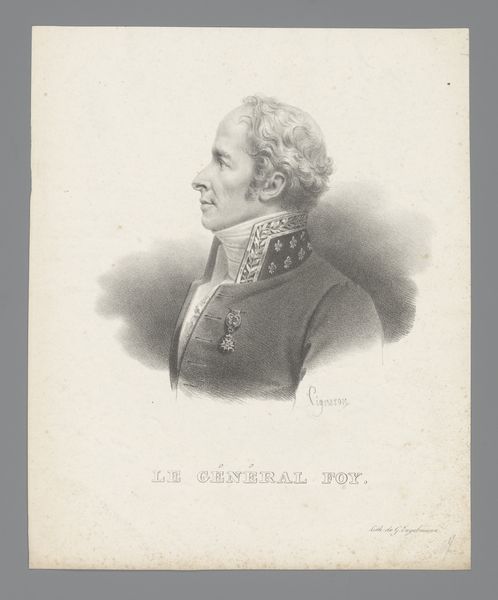
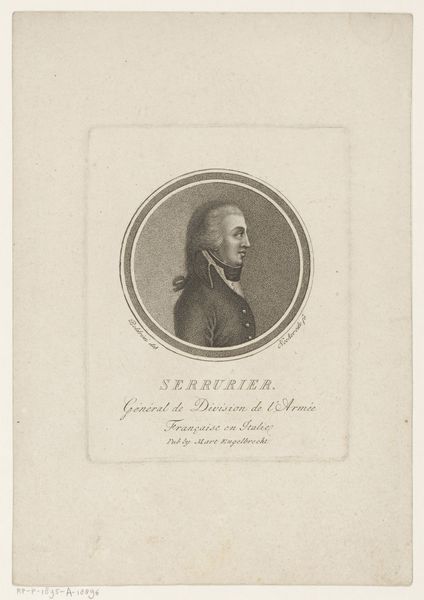
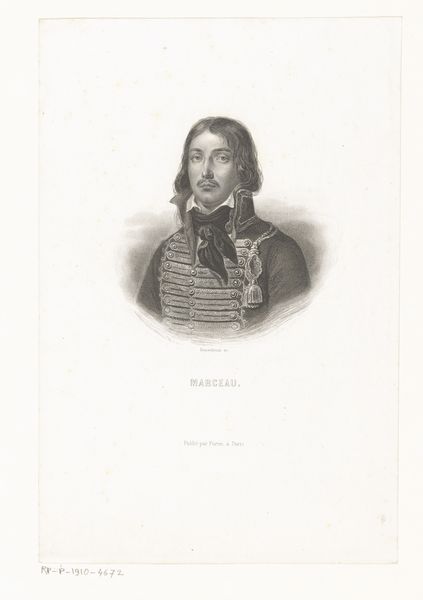
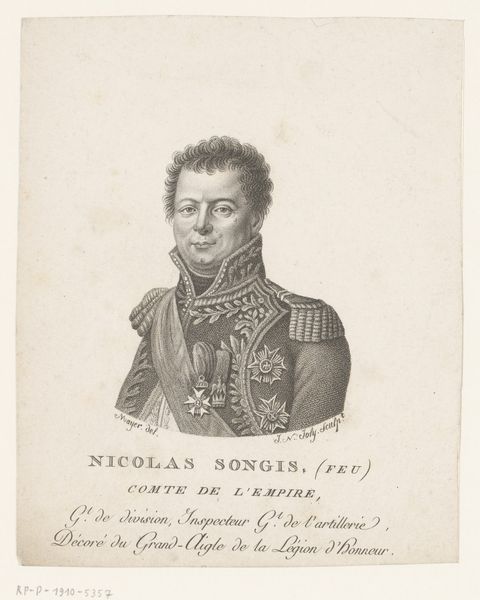
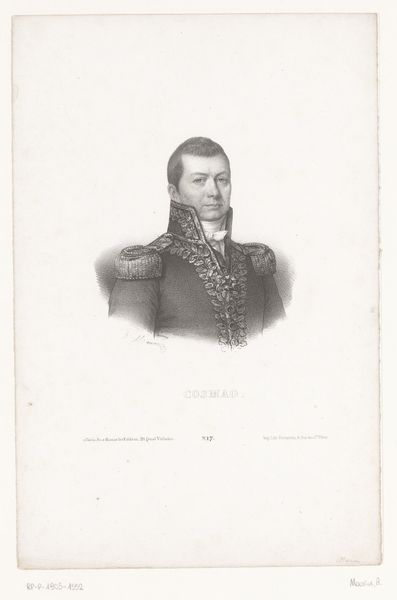
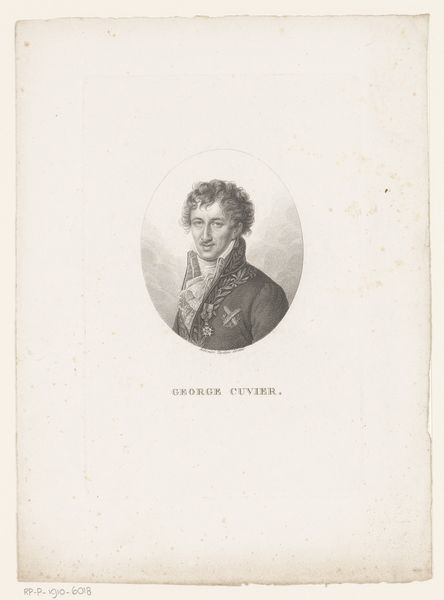
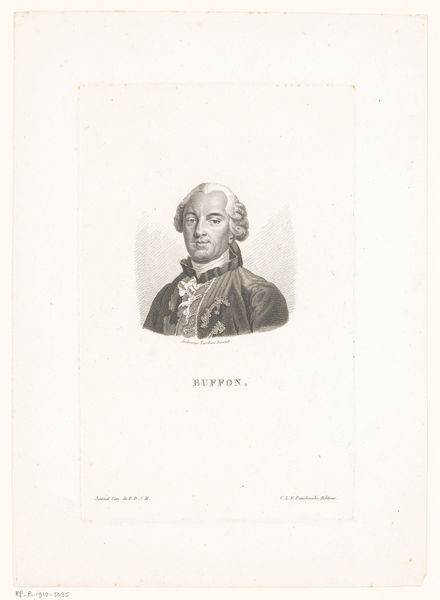
Editor: Here we have "Portret van Antonio Quiroga," a print made sometime between 1782 and 1814 by Johann Renard. It feels…austere, almost clinical in its precise linework. What strikes you most about this work? Curator: The immediate thing that grabs me is the medium. Engraving as a process is about mechanical reproduction. So, how does that sit alongside the 'aura' we associate with portraiture? Whose consumption habits were served by this availability? Editor: So, it's less about Quiroga himself and more about the print as a commodity? Curator: Precisely. Think about the socio-political context too: Who was Renard working for? Were these prints distributed to solidify political power, or was there another kind of circulation at play here? It affects how we value it. Is it ‘art,’ propaganda, a memento? These prints were, in effect, mass-produced, yet required highly skilled labour. Editor: So, the focus shifts from the sitter’s status to the printmaker's labor and the object's circulation. I never considered that before! Curator: And where were these prints consumed? Were they framed and hung in homes or pasted into albums, cheap keepsakes meant for immediate discard? The traces of use–or disuse–become as revealing as the image itself. Editor: It’s like re-evaluating art as an object deeply embedded in society, rather than a timeless creation. I'll never look at portraiture the same way again. Curator: Exactly! Focusing on materiality provides the opportunity to link art and broader consumption.