About this artwork
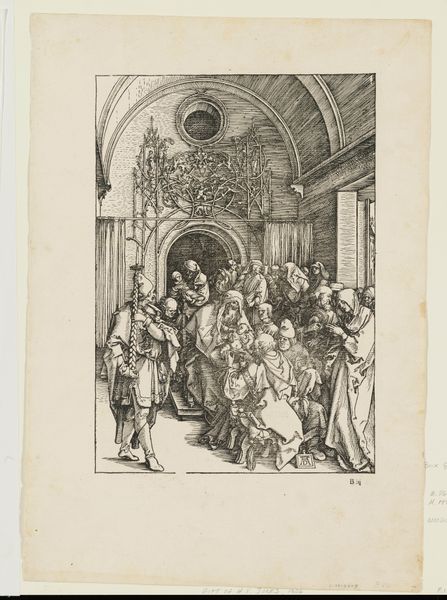
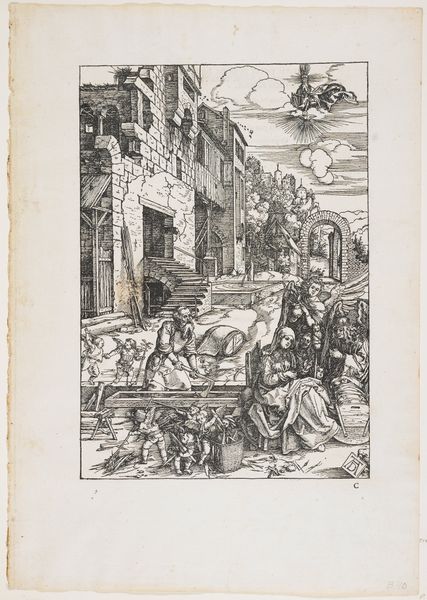
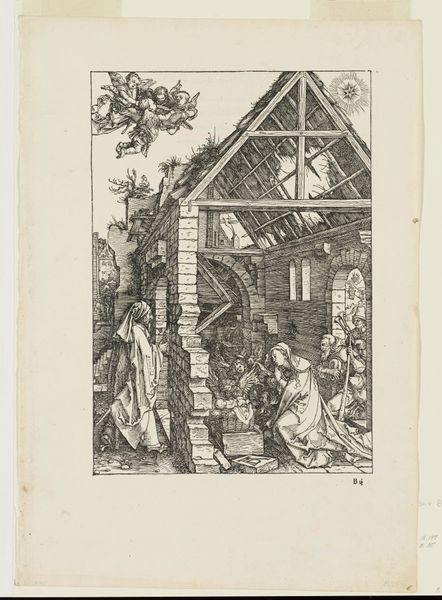
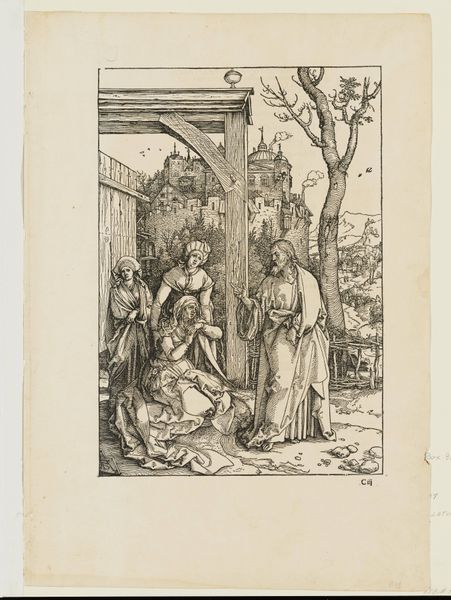
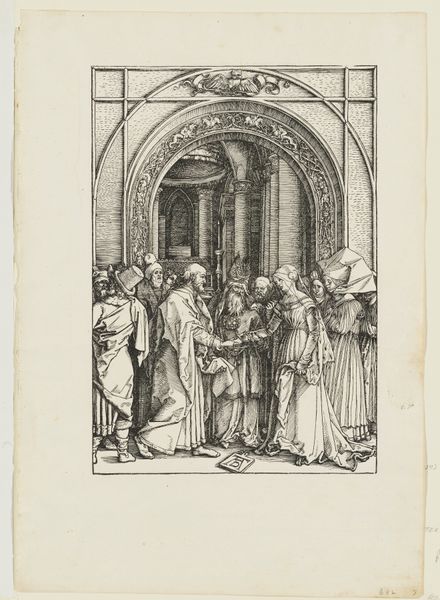
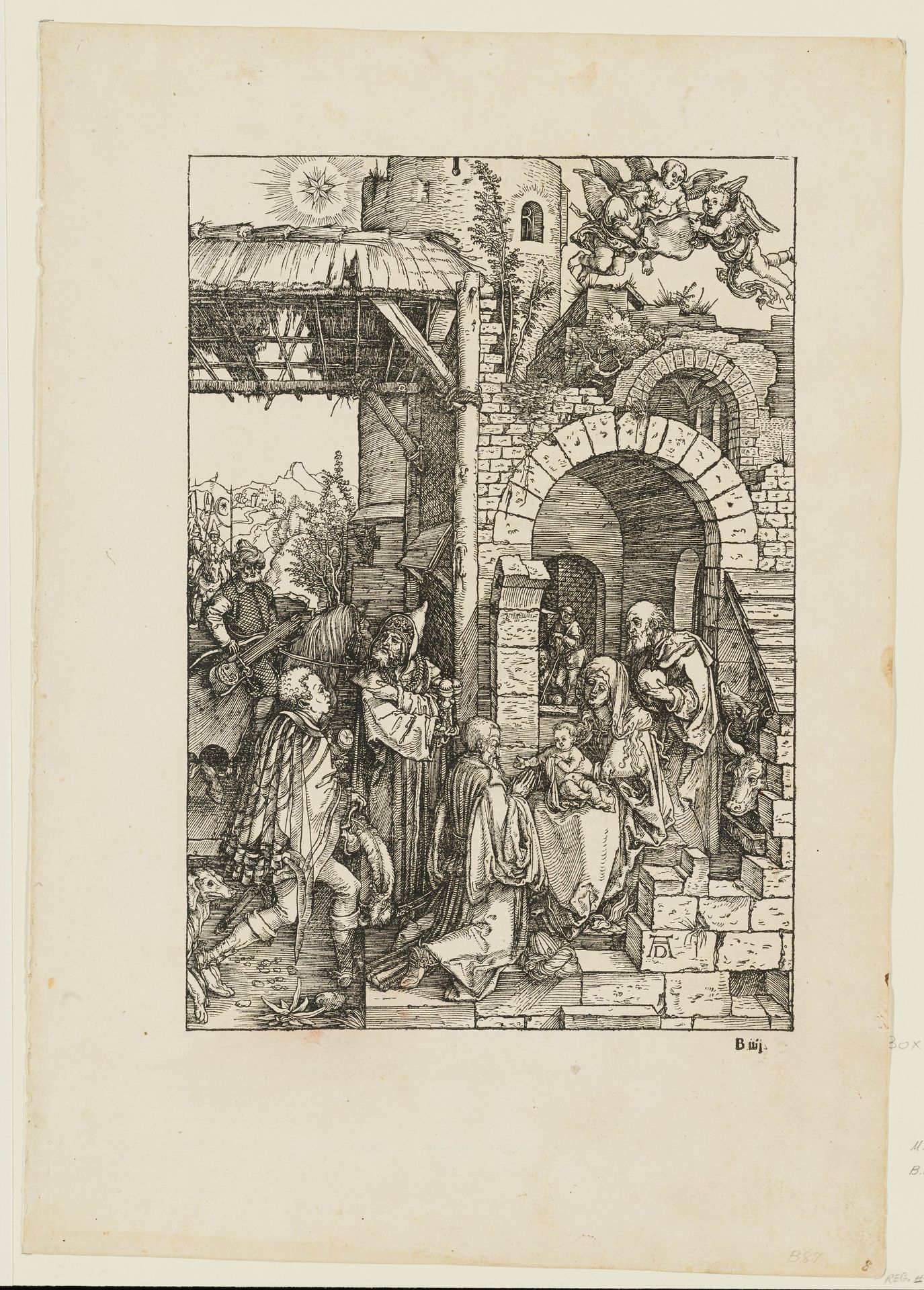
Albrecht Durer made this artwork in 1511, it is titled, 'The Adoration of the Magi'. The dense network of finely etched lines intricately defines forms, light, and shadow, creating a visually immersive scene. The composition is structured with a keen awareness of space and perspective. Figures are arranged in the foreground, drawing the viewer's eye into the heart of the adoration, while the background is richly detailed with architectural elements, landscapes and cherubic figures. Durer masterfully balances the distribution of light and shadow. Beyond its aesthetic qualities, this work engages with broader artistic and philosophical concerns of the Renaissance. The use of linear perspective reflects the era's interest in scientific observation and rational space. The artwork stands as a testament to the enduring power of art to convey complex ideas through visual form. Its meanings remain open to interpretation.
The Adoration of the Magi Possibly 1503 - 1511


Artwork details
- Medium
- drawing, print, ink, woodcut, engraving
- Dimensions
- 11 11/16 x 8 3/16 in. (29.69 x 20.8 cm) (image)
- Location
- Minneapolis Institute of Art
- Copyright
- Public Domain
Tags
drawing
narrative-art
figuration
ink
woodcut
pen work
northern-renaissance
engraving
Comments
No comments
About this artwork
Albrecht Durer made this artwork in 1511, it is titled, 'The Adoration of the Magi'. The dense network of finely etched lines intricately defines forms, light, and shadow, creating a visually immersive scene. The composition is structured with a keen awareness of space and perspective. Figures are arranged in the foreground, drawing the viewer's eye into the heart of the adoration, while the background is richly detailed with architectural elements, landscapes and cherubic figures. Durer masterfully balances the distribution of light and shadow. Beyond its aesthetic qualities, this work engages with broader artistic and philosophical concerns of the Renaissance. The use of linear perspective reflects the era's interest in scientific observation and rational space. The artwork stands as a testament to the enduring power of art to convey complex ideas through visual form. Its meanings remain open to interpretation.
Comments
No comments