About this artwork
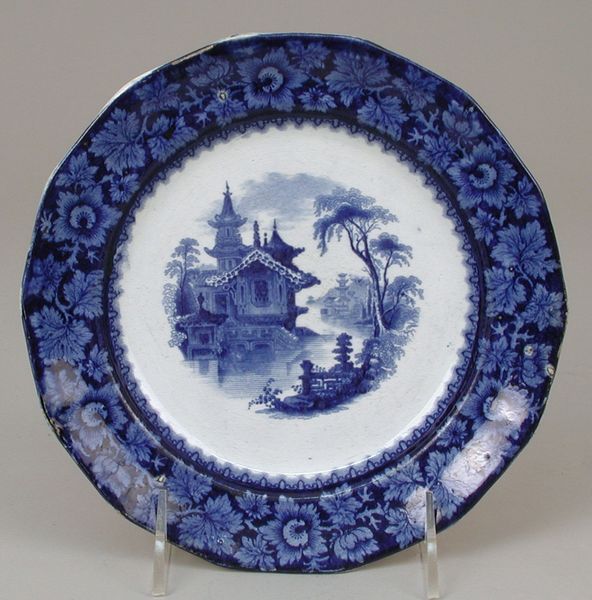
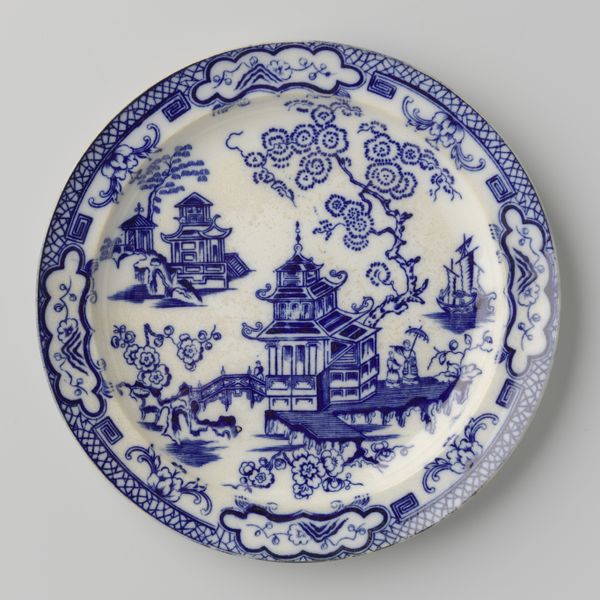
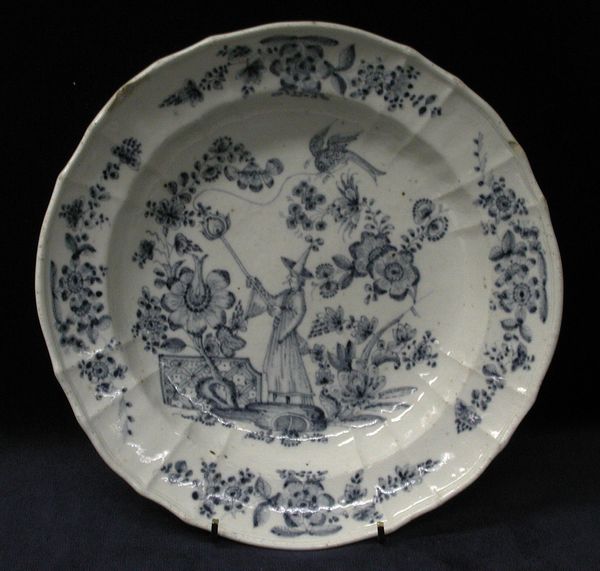
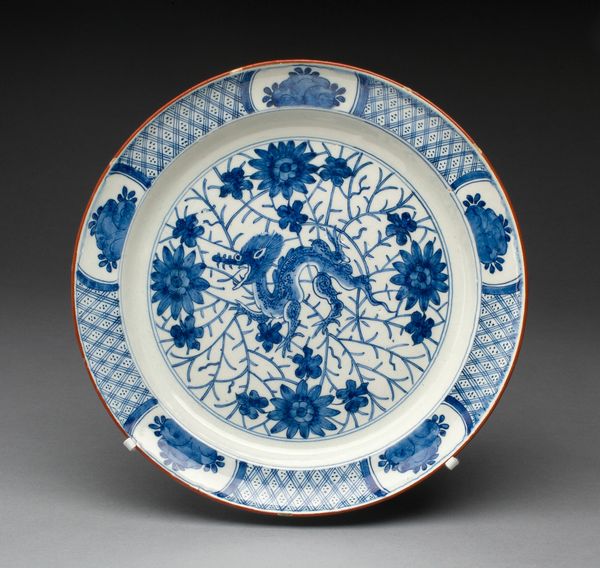
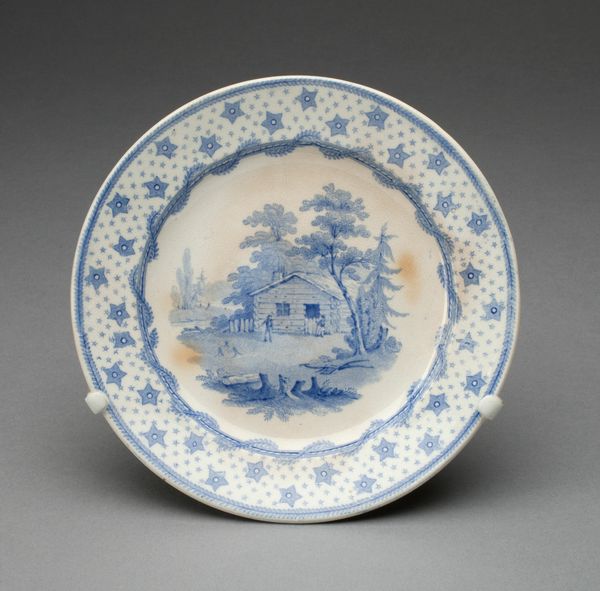
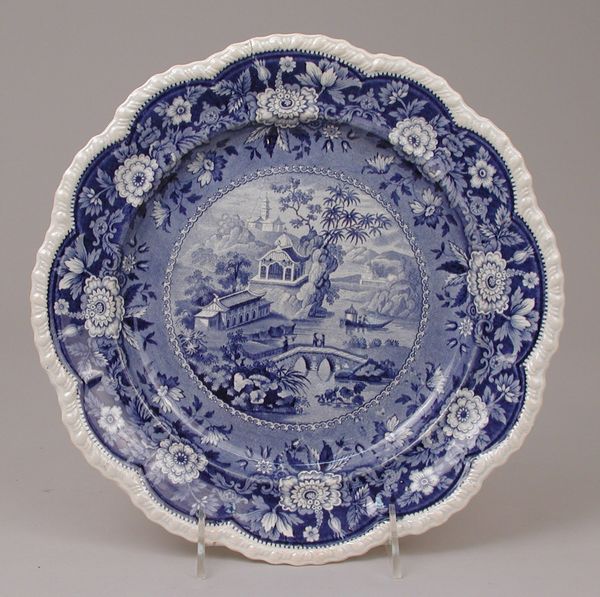
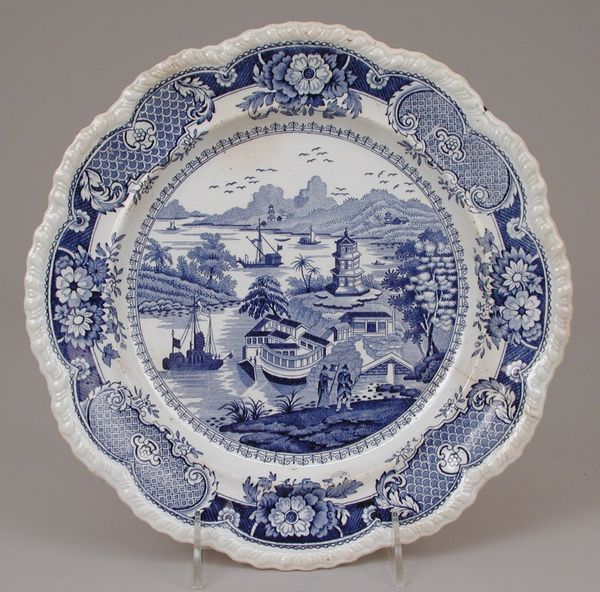
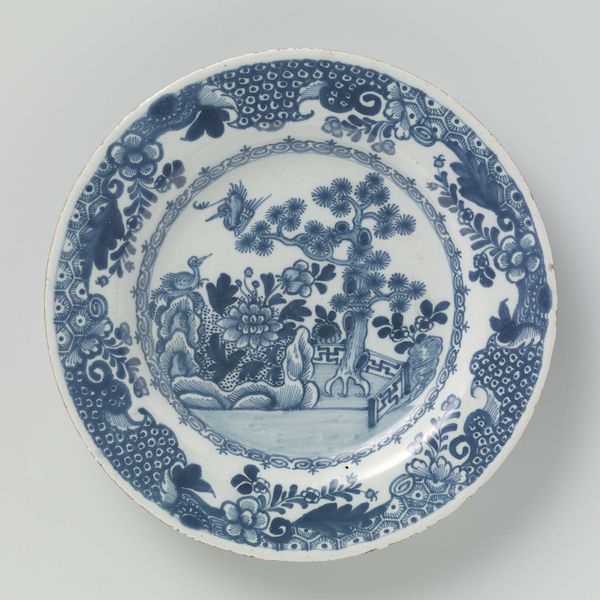
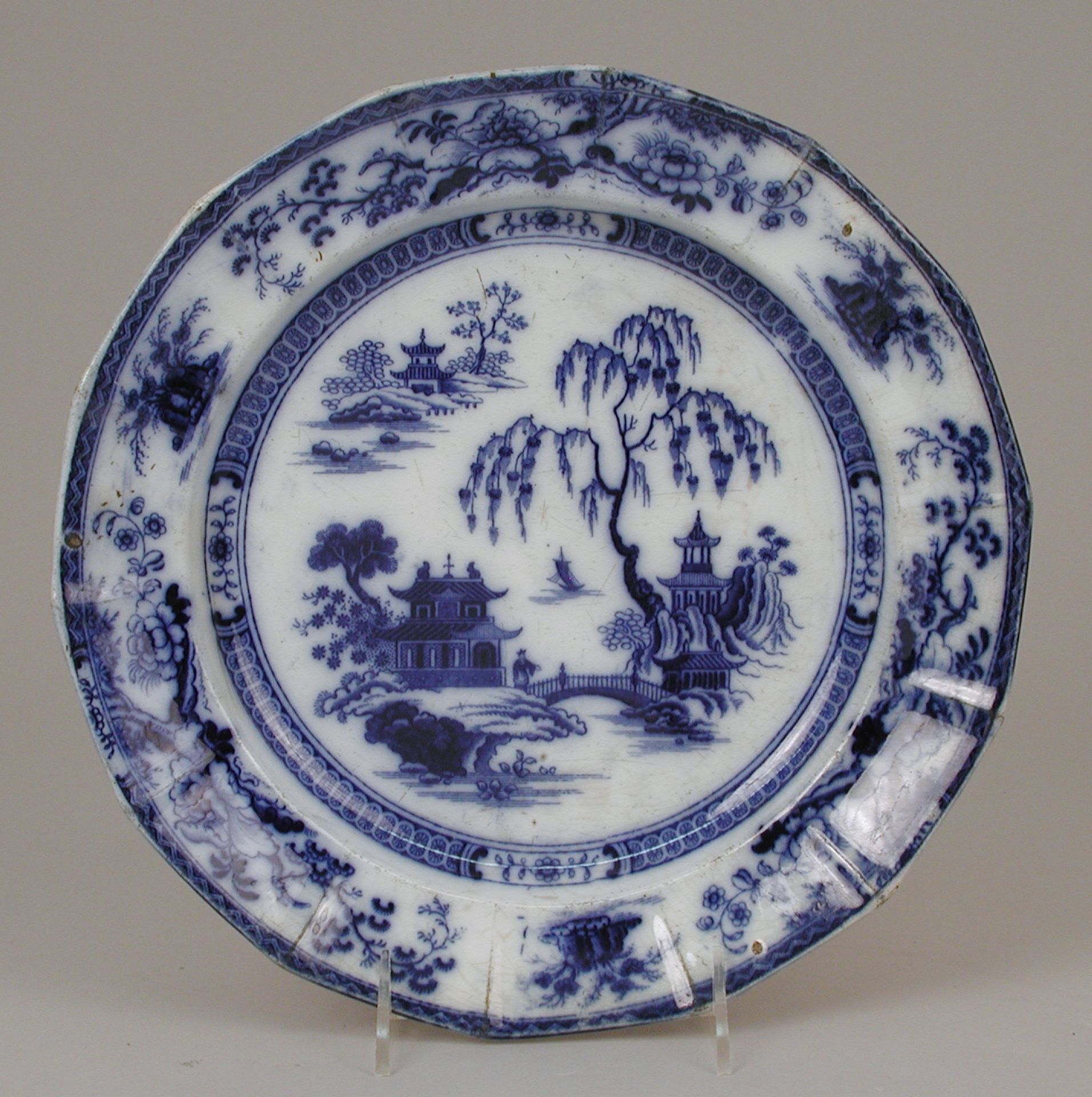
This ceramic plate was produced by Phillips and Co. at some point in the late 18th or early 19th century. It's decorated in a style known as "chinoiserie," a distinctly European aesthetic that borrows and reimagines motifs thought to be Chinese. The image on the plate is a romanticized vision of an exotic East, a world of pagodas, willow trees, and stylized landscapes, all rendered in blue against a stark white background. These kinds of ceramics were a staple in middle class British homes. They spoke to a rising obsession with global trade and collecting. The British Empire was expanding rapidly, and goods from around the world were becoming increasingly accessible. This plate is a window onto the social and economic transformations of the time. Historians consult trade records, company archives, and period advertisements, to understand the ways that art objects become entangled with larger social narratives.
Plate 18th - 19th century

Phillips and Co.
@phillipsandco
The Metropolitan Museum of Art
Metropolitan Museum of Art, New York, NYArtwork details
- Medium
- ceramic, earthenware, sculpture
- Dimensions
- Diameter: 10 3/4 in. (27.3 cm)
- Location
- Metropolitan Museum of Art, New York, NY
- Copyright
- Public Domain
Tags
asian-art
landscape
ceramic
earthenware
folk-art
sculpture
ceramic
decorative-art
watercolor
Comments
No comments
About this artwork
This ceramic plate was produced by Phillips and Co. at some point in the late 18th or early 19th century. It's decorated in a style known as "chinoiserie," a distinctly European aesthetic that borrows and reimagines motifs thought to be Chinese. The image on the plate is a romanticized vision of an exotic East, a world of pagodas, willow trees, and stylized landscapes, all rendered in blue against a stark white background. These kinds of ceramics were a staple in middle class British homes. They spoke to a rising obsession with global trade and collecting. The British Empire was expanding rapidly, and goods from around the world were becoming increasingly accessible. This plate is a window onto the social and economic transformations of the time. Historians consult trade records, company archives, and period advertisements, to understand the ways that art objects become entangled with larger social narratives.
Comments
No comments