About this artwork
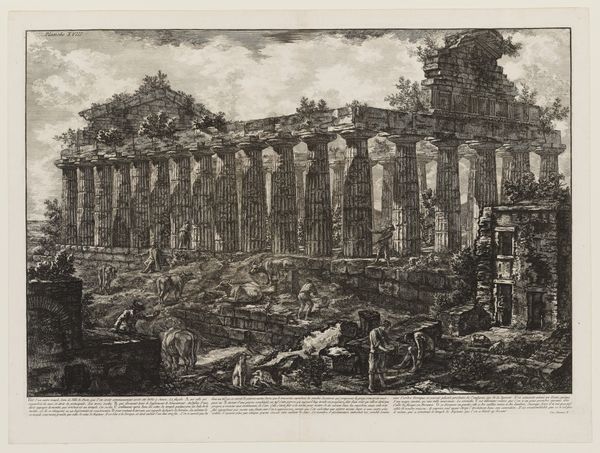
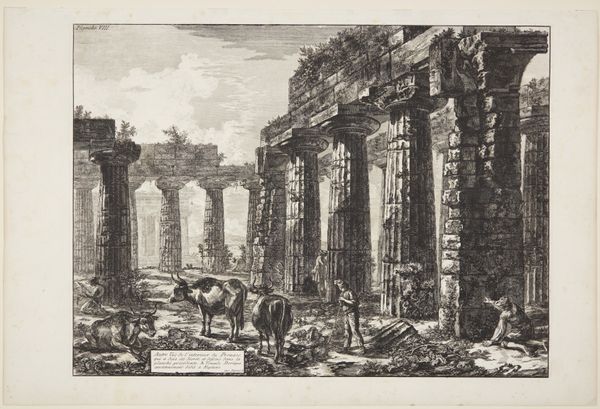
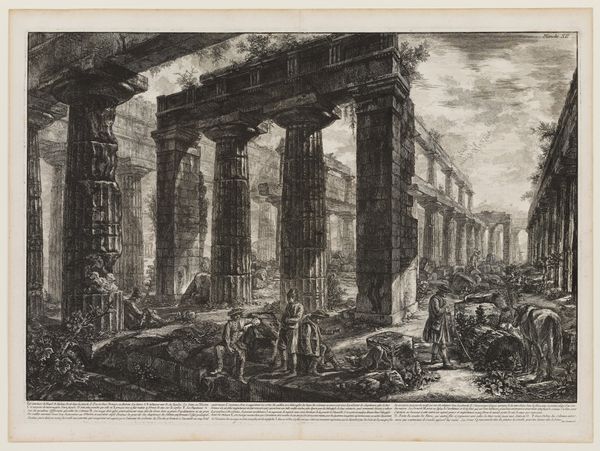
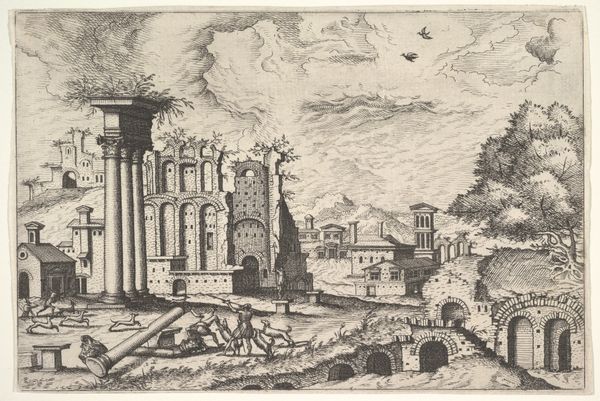
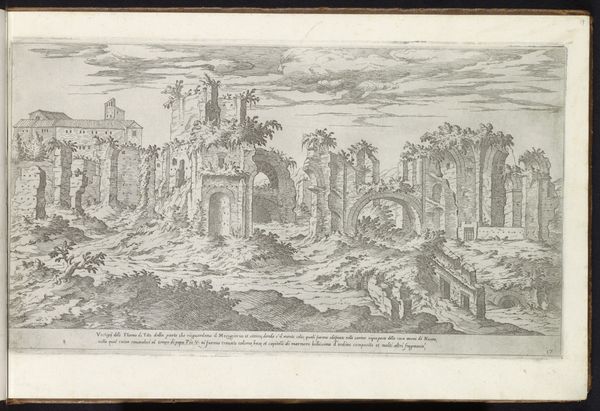
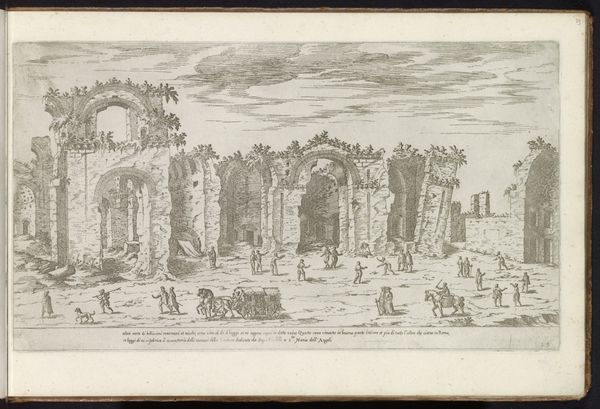
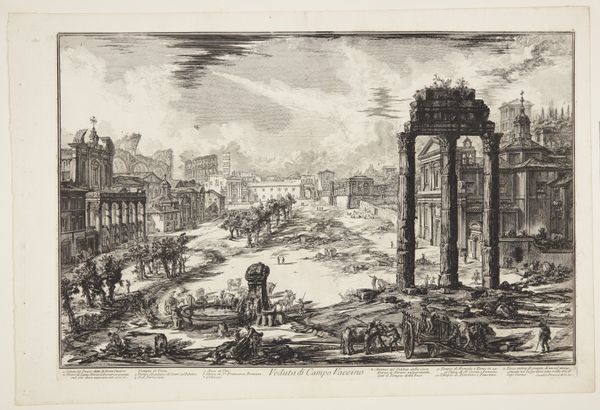
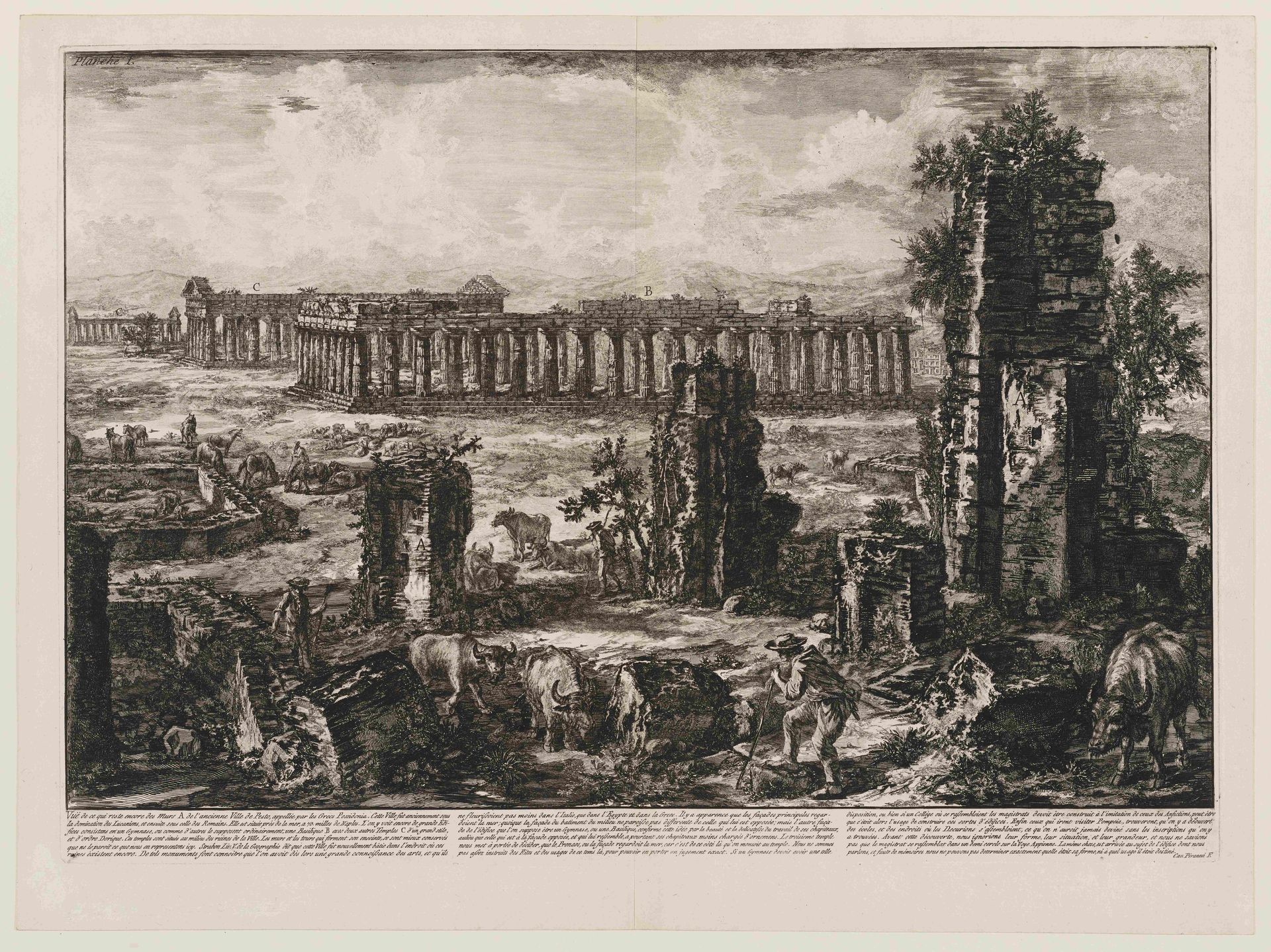
Giovanni Battista Piranesi created this etching, titled *General View*, in the 18th century. Piranesi was an Italian artist, known for his etchings of Roman architecture. In this image, Piranesi presents us with a romanticized vision of the Roman Empire, an era which saw the height of white, European power. What stands out isn't the grandeur of the architecture, but rather the state of decay in which Piranesi renders it. Ruins are overgrown and crumbling. Figures of peasants and livestock wander amid the remains. Piranesi seems to suggest a meditation on the transient nature of power. By embedding the ruins within a pastoral scene, he asks us to consider the layers of time. The grandeur of the past becomes a muted backdrop for the lives of ordinary people. He reminds us that every empire fades, leaving behind traces to be reinterpreted by future generations.
General View
c. 18th century


Artwork details
- Medium
- print, etching, architecture
- Dimensions
- 18 3/4 x 26 5/8 in. (47.63 x 67.63 cm) (plate)21 1/16 x 28 7/16 in. (53.5 x 72.23 cm) (sheet)
- Location
- Minneapolis Institute of Art
- Copyright
- Public Domain
Tags
Comments
Share your thoughts
About this artwork
Giovanni Battista Piranesi created this etching, titled *General View*, in the 18th century. Piranesi was an Italian artist, known for his etchings of Roman architecture. In this image, Piranesi presents us with a romanticized vision of the Roman Empire, an era which saw the height of white, European power. What stands out isn't the grandeur of the architecture, but rather the state of decay in which Piranesi renders it. Ruins are overgrown and crumbling. Figures of peasants and livestock wander amid the remains. Piranesi seems to suggest a meditation on the transient nature of power. By embedding the ruins within a pastoral scene, he asks us to consider the layers of time. The grandeur of the past becomes a muted backdrop for the lives of ordinary people. He reminds us that every empire fades, leaving behind traces to be reinterpreted by future generations.
Comments
Share your thoughts