About this artwork
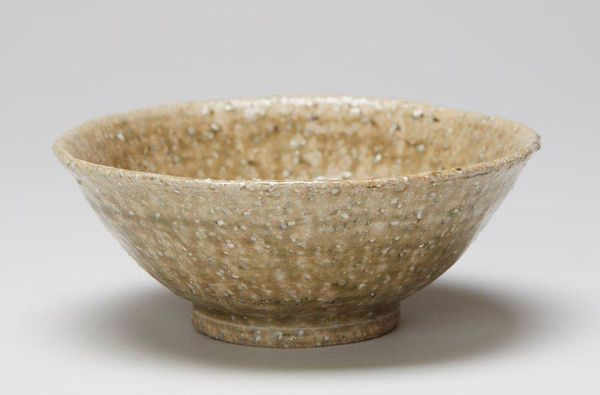
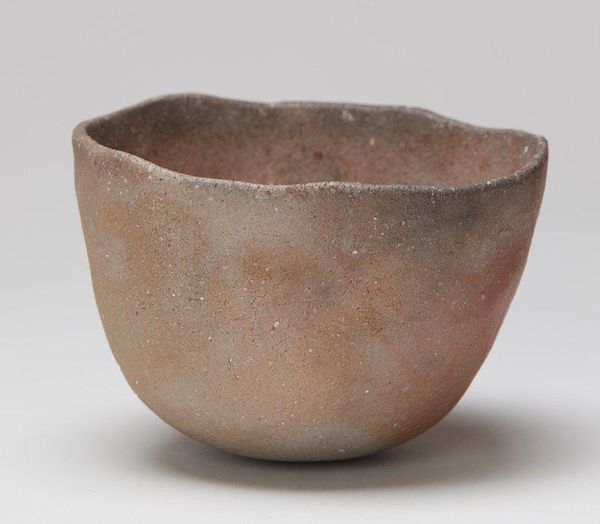
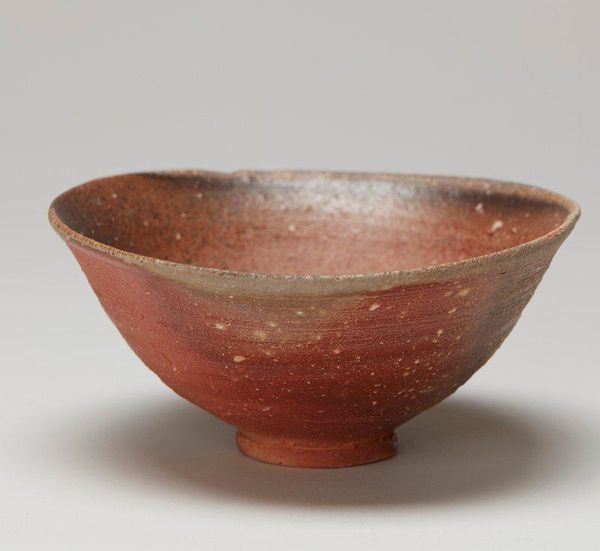
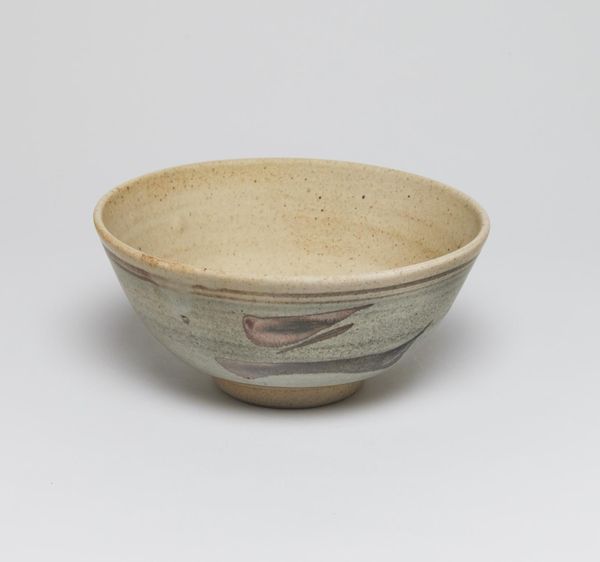
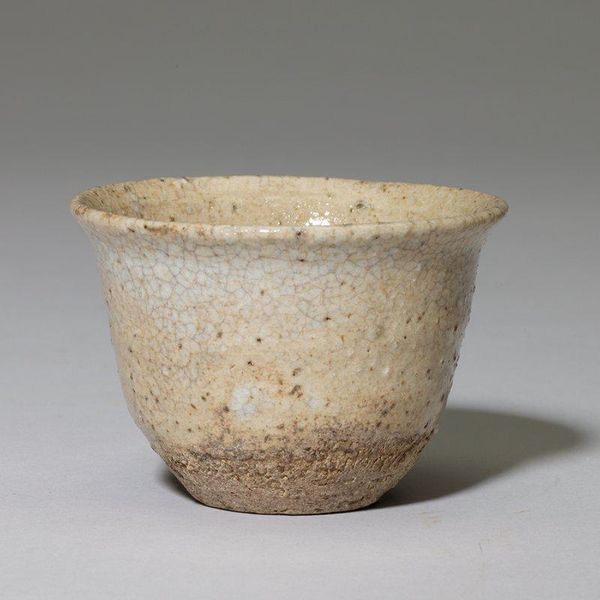
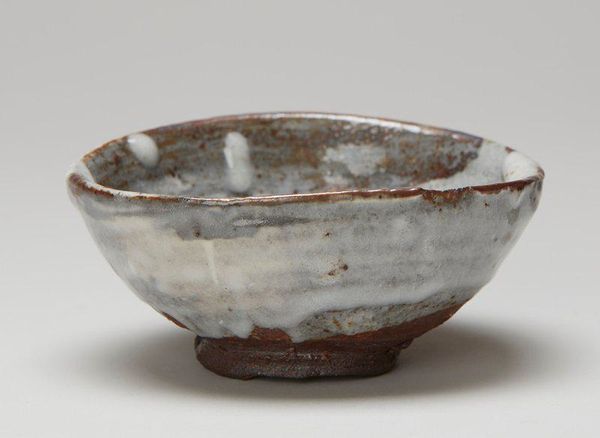
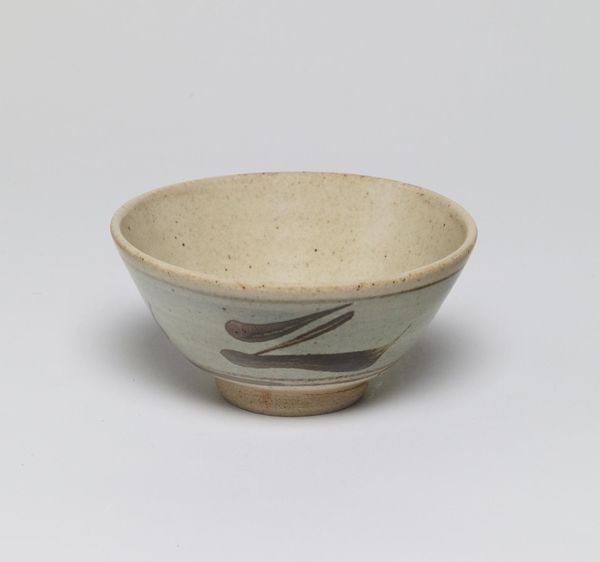
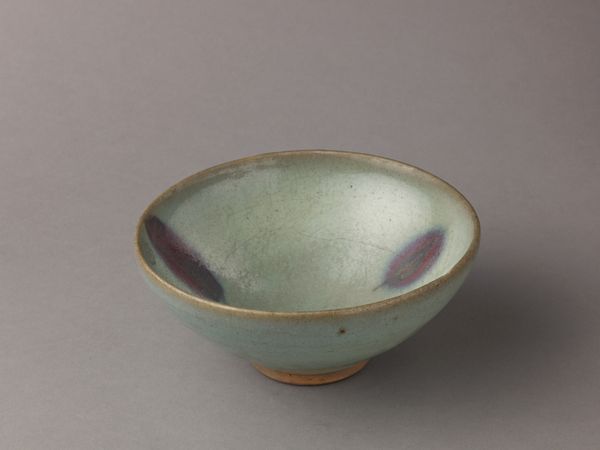
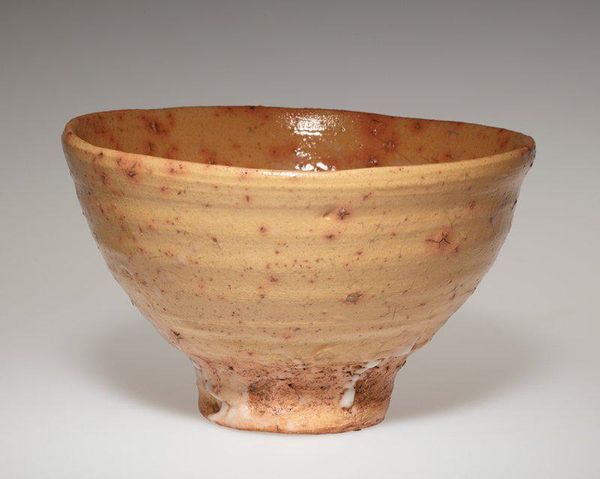
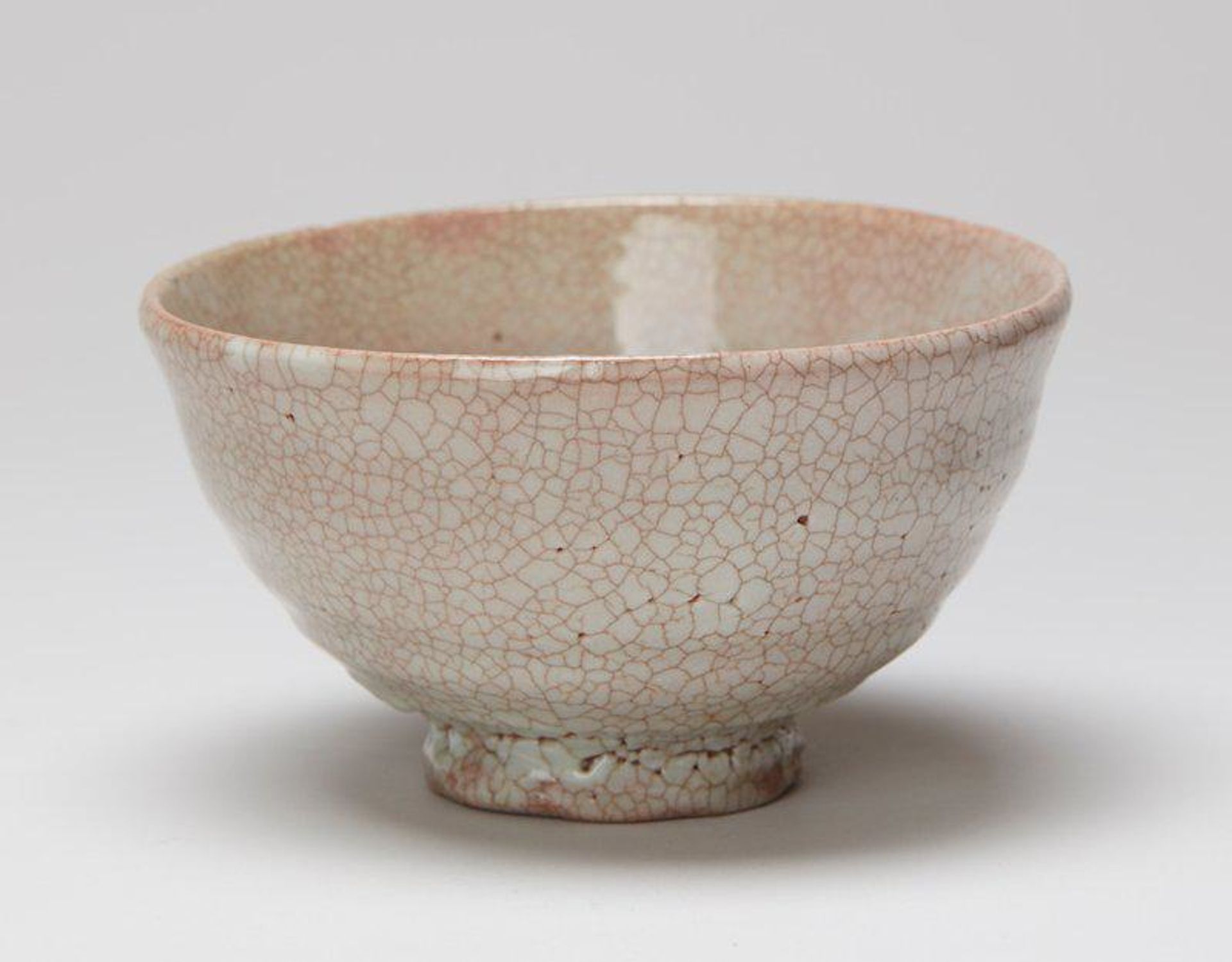
This is Takeuchi Kimiaki’s tea bowl, a chawan, made in Japan with clay. The crackled glaze isn’t a flaw, it’s a feature! Think of it as a map of the firing process, an almost topographic record of the kiln’s heat and atmosphere. It reminds me of how we try to control things as artists, but ultimately, the material has its own say. There’s a kind of muted blush to the bowl, like the faintest watercolor wash, settled into this web of crazing. When I look at it, I imagine the artist's hands shaping the clay, but also, I feel the uncontrollable forces of the kiln at play. The base looks pinched and rugged in contrast to the smooth curve of the bowl, like the memory of the hand is preserved in the work. Thinking about other artists, Lucio Fontana comes to mind. Fontana slashed into his canvases and similarly embraced an element of chance and destruction as a way of creating new forms. It’s a reminder that art is always a conversation, a dialogue between intention and accident, control and release.
Tea bowl (chawan) c. 20th century


Artwork details
- Medium
- ceramic
- Dimensions
- 3 5/16 x 5 3/4 x 5 3/4 in. (8.41 x 14.61 x 14.61 cm)
- Location
- Minneapolis Institute of Art
- Copyright
- No Known Copyright
Tags
asian-art
ceramic
stoneware
abstraction
Comments
No comments
About this artwork
This is Takeuchi Kimiaki’s tea bowl, a chawan, made in Japan with clay. The crackled glaze isn’t a flaw, it’s a feature! Think of it as a map of the firing process, an almost topographic record of the kiln’s heat and atmosphere. It reminds me of how we try to control things as artists, but ultimately, the material has its own say. There’s a kind of muted blush to the bowl, like the faintest watercolor wash, settled into this web of crazing. When I look at it, I imagine the artist's hands shaping the clay, but also, I feel the uncontrollable forces of the kiln at play. The base looks pinched and rugged in contrast to the smooth curve of the bowl, like the memory of the hand is preserved in the work. Thinking about other artists, Lucio Fontana comes to mind. Fontana slashed into his canvases and similarly embraced an element of chance and destruction as a way of creating new forms. It’s a reminder that art is always a conversation, a dialogue between intention and accident, control and release.
Comments
No comments