About this artwork
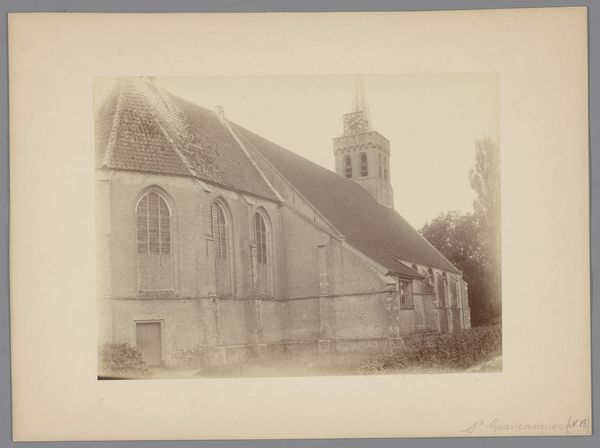
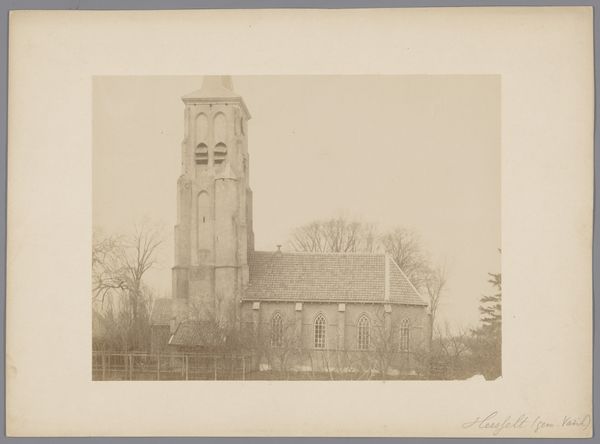
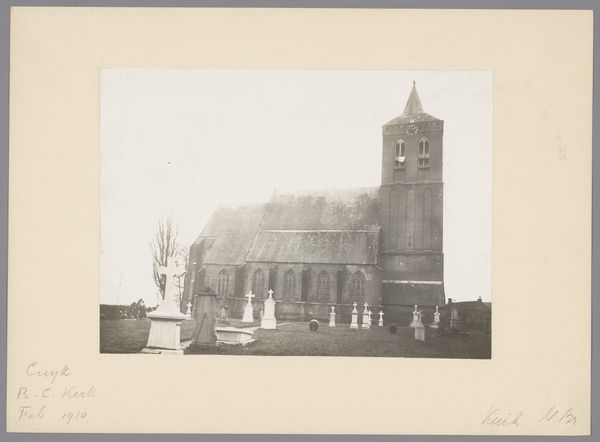
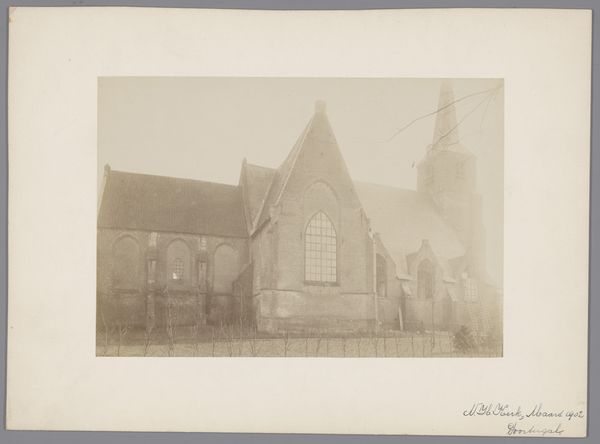
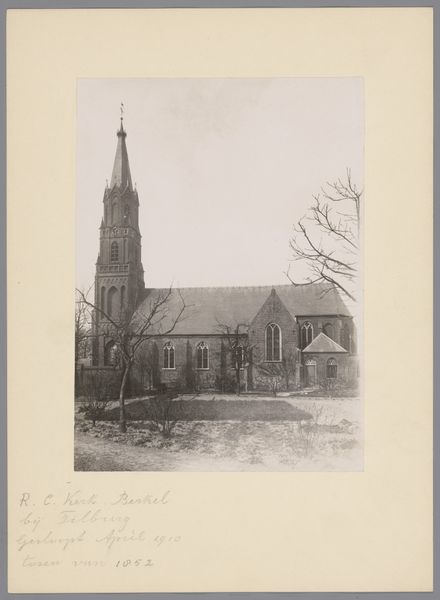
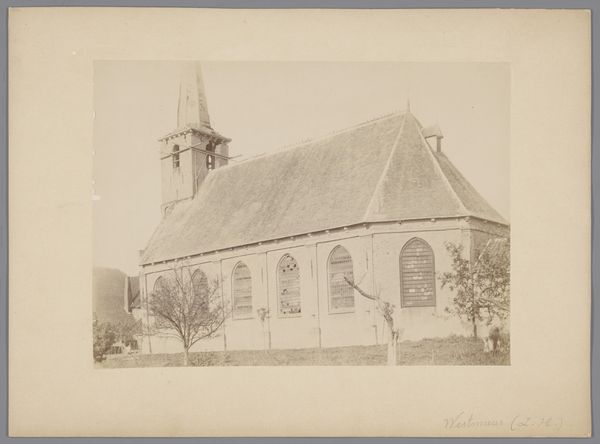
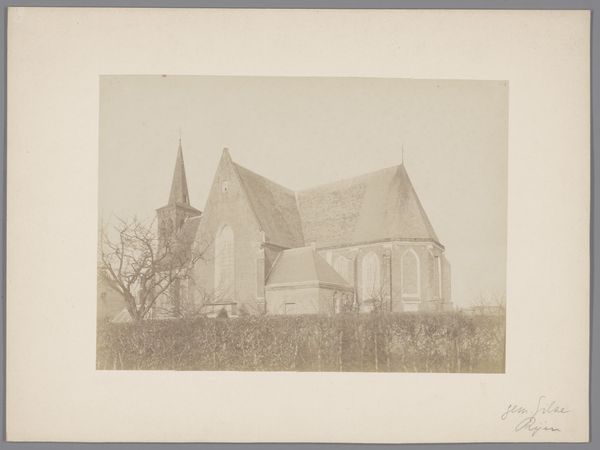
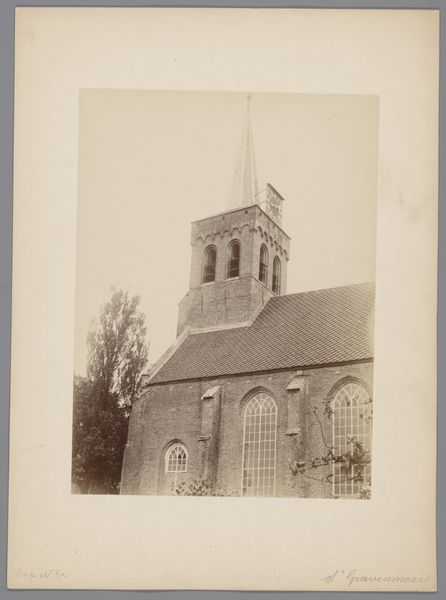
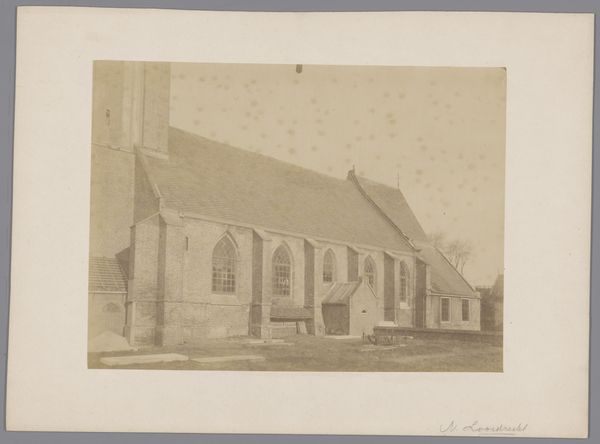
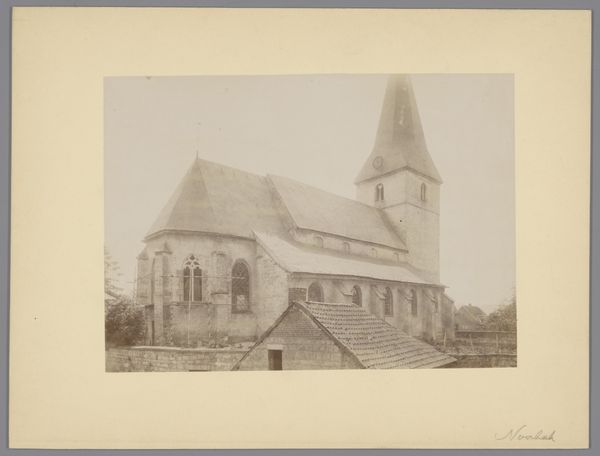
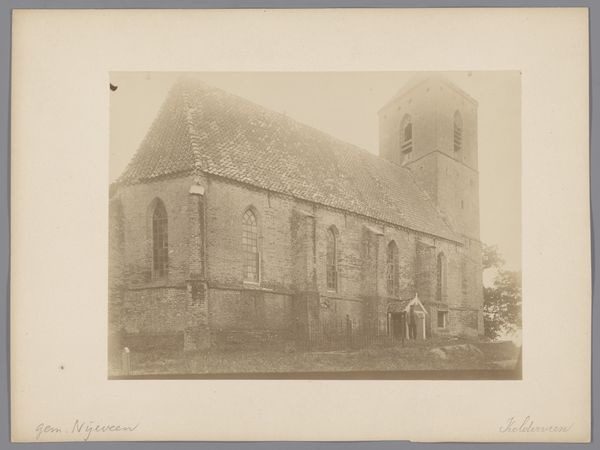
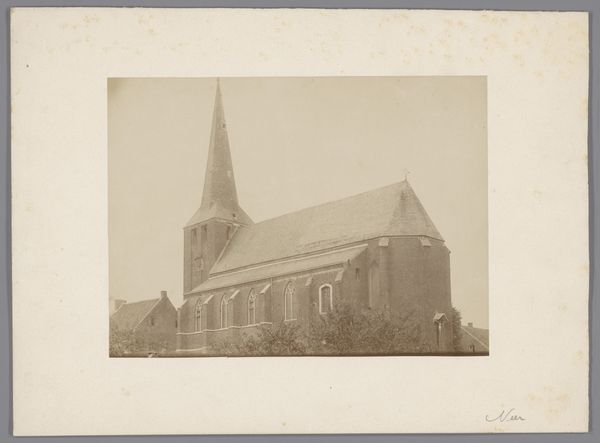
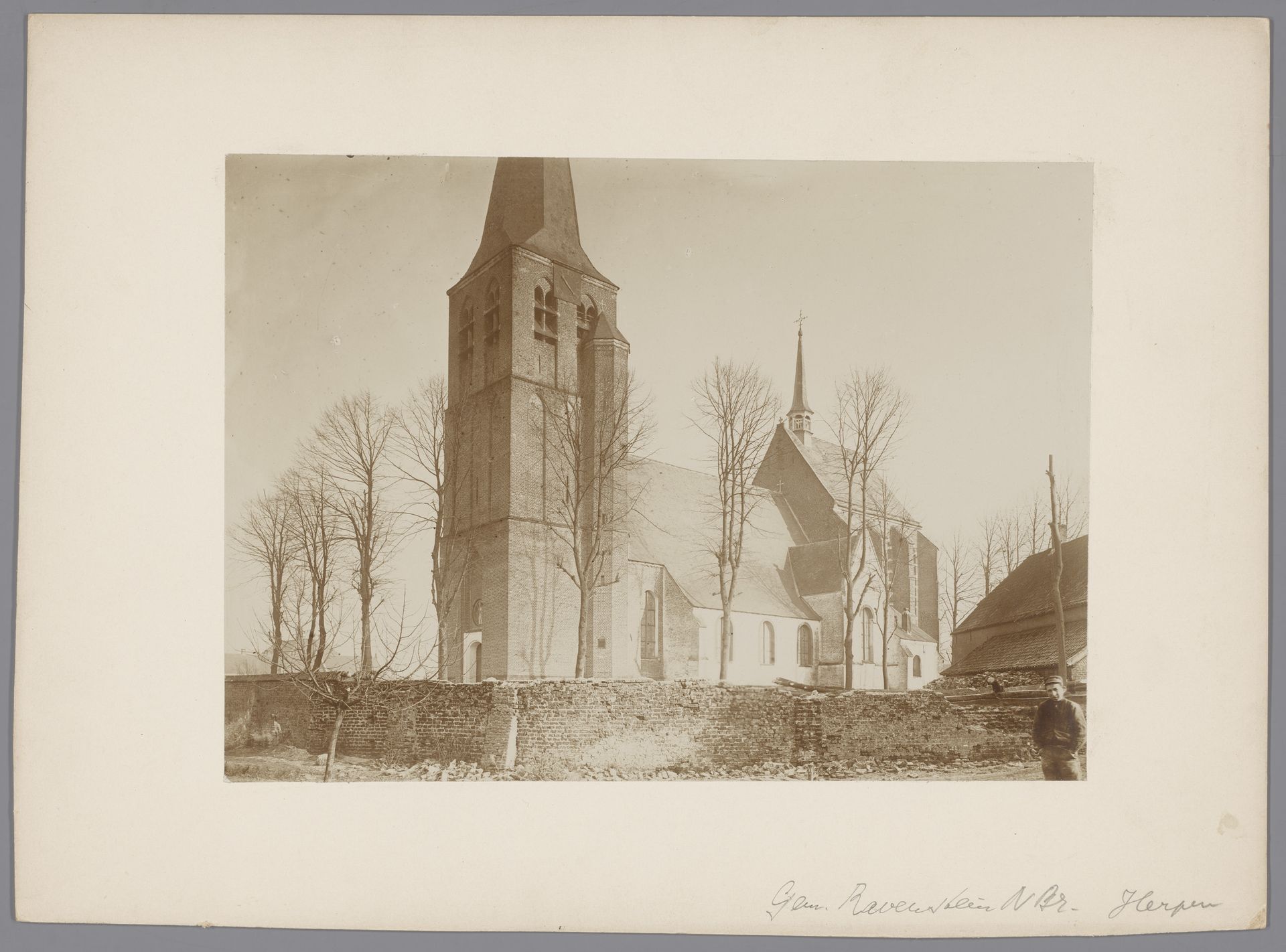
This photograph of the Sint-Sebastianuskerk in Herpen was captured by an anonymous photographer from Monumentenzorg. The sepia tones of the albumen print lend a timeless quality to the image. The photographic process itself, requiring careful mixing of chemicals and precise timing, highlights the intersection of science and art. This was hardly a snapshot; it was an exercise in careful material control. The choice of perspective, the contrast between light and shadow, and the texture of the brickwork, all demonstrate the photographer's keen eye. But beyond the aesthetic qualities, there's also the social context to consider. Monumentenzorg, dedicated to preserving cultural heritage, suggests a growing awareness of the built environment's importance and the need to document it. Ultimately, the photograph serves as a reminder that every artwork, regardless of its medium, is rooted in materiality, process, and the social forces that shape its creation.
Gezicht op de Sint-Sebastianuskerk te Herpen
before 1907

Artwork details
- Dimensions
- height 165 mm, width 227 mm
- Copyright
- Rijks Museum: Open Domain
Comments
Share your thoughts
About this artwork
This photograph of the Sint-Sebastianuskerk in Herpen was captured by an anonymous photographer from Monumentenzorg. The sepia tones of the albumen print lend a timeless quality to the image. The photographic process itself, requiring careful mixing of chemicals and precise timing, highlights the intersection of science and art. This was hardly a snapshot; it was an exercise in careful material control. The choice of perspective, the contrast between light and shadow, and the texture of the brickwork, all demonstrate the photographer's keen eye. But beyond the aesthetic qualities, there's also the social context to consider. Monumentenzorg, dedicated to preserving cultural heritage, suggests a growing awareness of the built environment's importance and the need to document it. Ultimately, the photograph serves as a reminder that every artwork, regardless of its medium, is rooted in materiality, process, and the social forces that shape its creation.
Comments
Share your thoughts