About this artwork
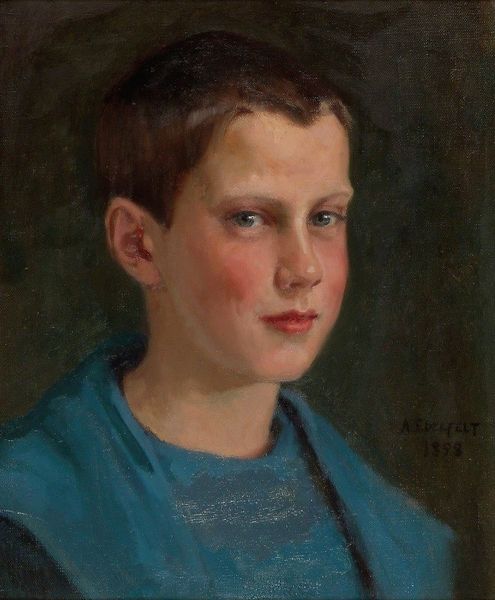
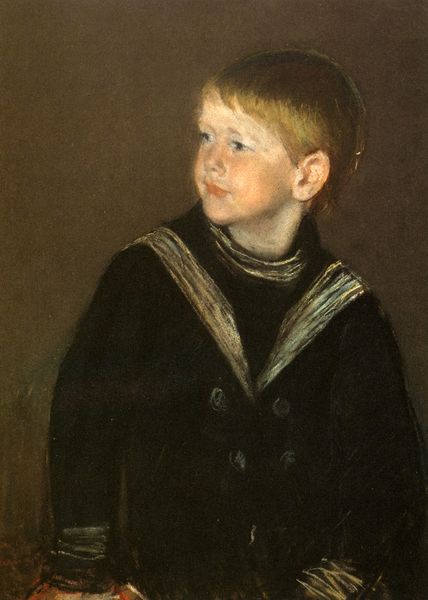
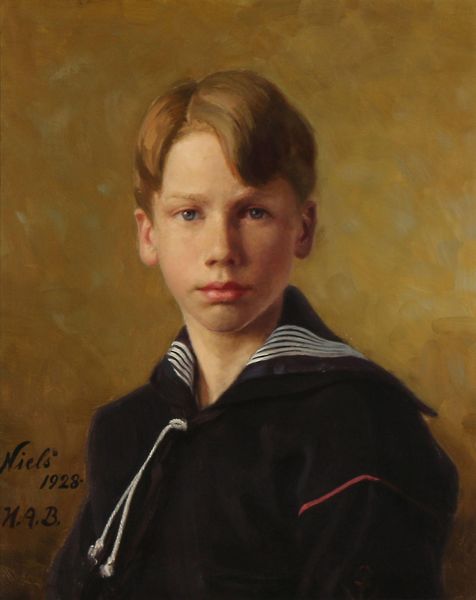
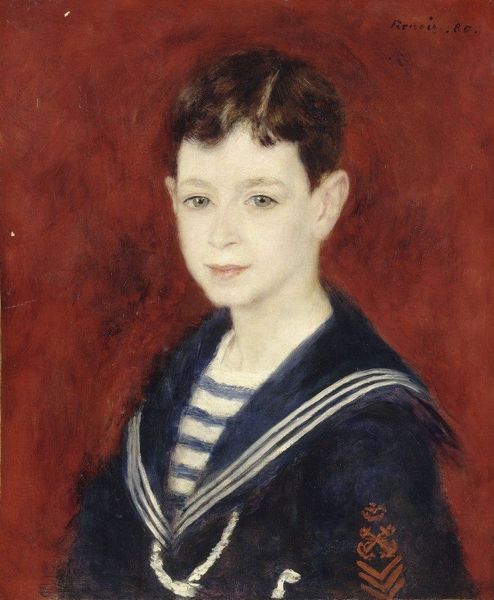
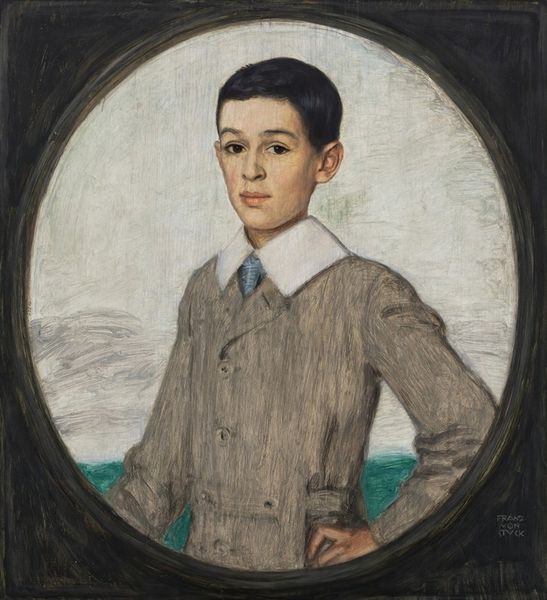
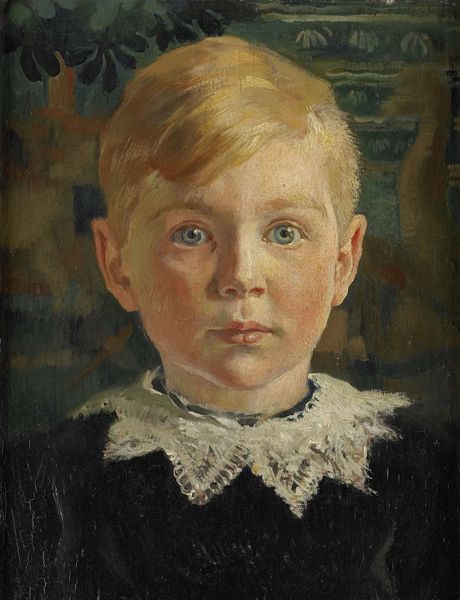
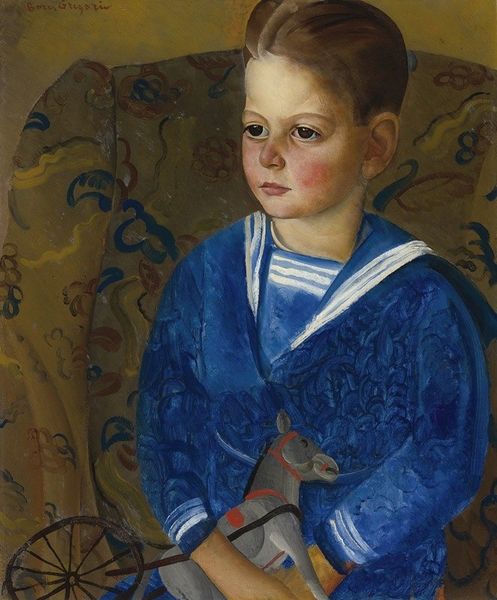
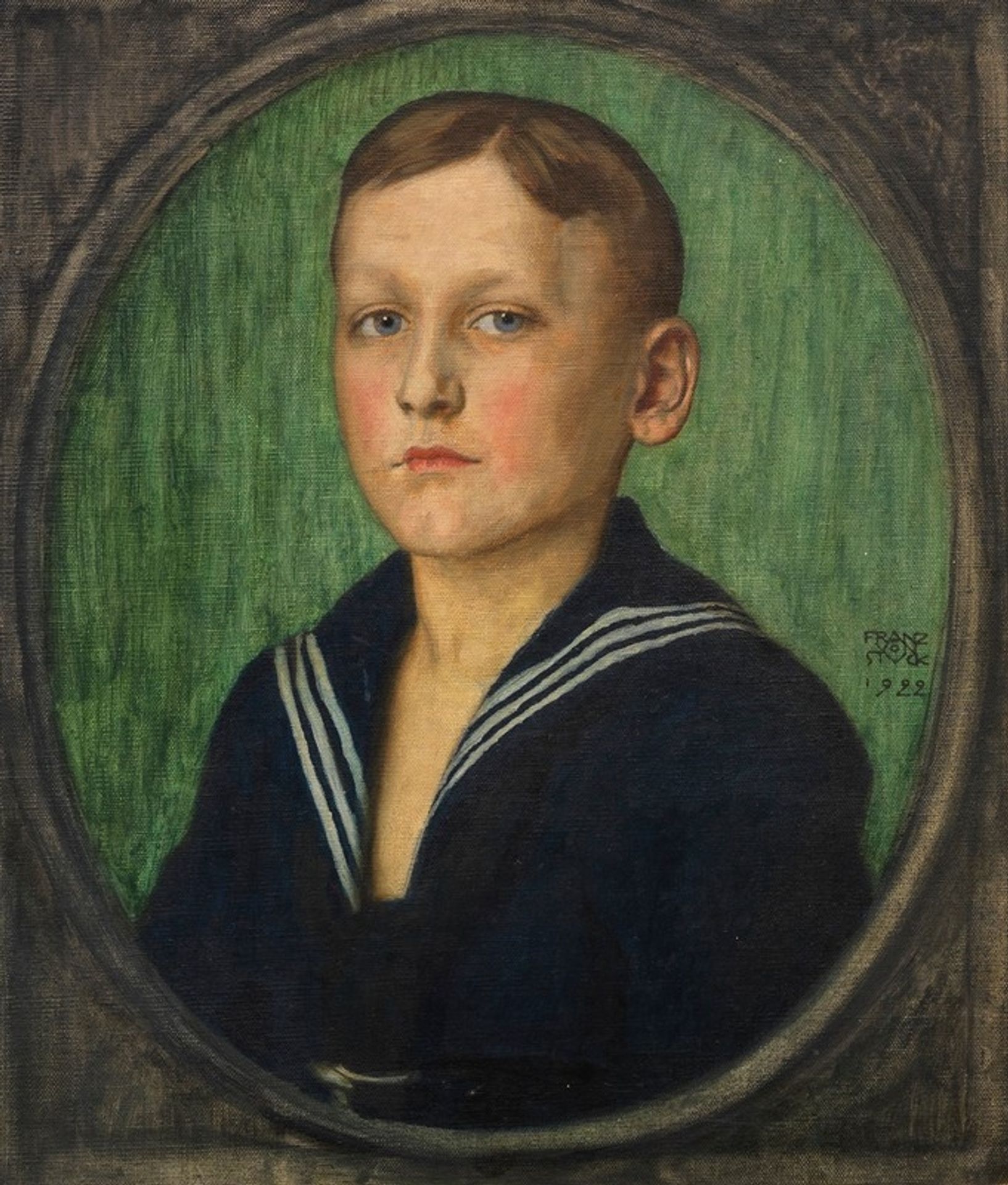
Franz von Stuck painted "Knabenbildnis," or "Portrait of a Boy," in 1922. Stuck was a co-founder of the Munich Secession, a group of artists who broke away from the traditional art establishment. He taught artists like Kandinsky, Klee, and Albers. Though his work is usually associated with Symbolism, here he seems to capture something more realist. This boy, with his sailor suit and serious gaze, stands against a hazy green background. His expression is unreadable, yet he seems to carry the weight of the world on his young shoulders. What is he thinking? What might his future hold? I wonder what it was like to be a boy in Germany in the 1920s. As you look at this painting, consider the artist's perspective. How might his own life and experiences have shaped his portrayal of this young boy? What might he be trying to communicate about childhood, identity, and the world we inhabit?

Artwork details
- Medium
- oil-paint
- Copyright
- Public Domain: Artvee
Tags
Comments
Share your thoughts
About this artwork
Franz von Stuck painted "Knabenbildnis," or "Portrait of a Boy," in 1922. Stuck was a co-founder of the Munich Secession, a group of artists who broke away from the traditional art establishment. He taught artists like Kandinsky, Klee, and Albers. Though his work is usually associated with Symbolism, here he seems to capture something more realist. This boy, with his sailor suit and serious gaze, stands against a hazy green background. His expression is unreadable, yet he seems to carry the weight of the world on his young shoulders. What is he thinking? What might his future hold? I wonder what it was like to be a boy in Germany in the 1920s. As you look at this painting, consider the artist's perspective. How might his own life and experiences have shaped his portrayal of this young boy? What might he be trying to communicate about childhood, identity, and the world we inhabit?
Comments
Share your thoughts