About this artwork
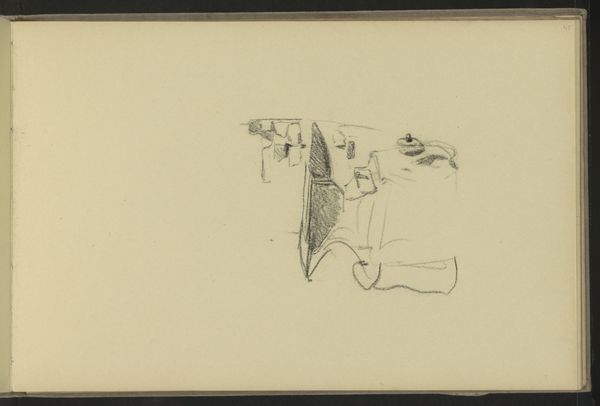
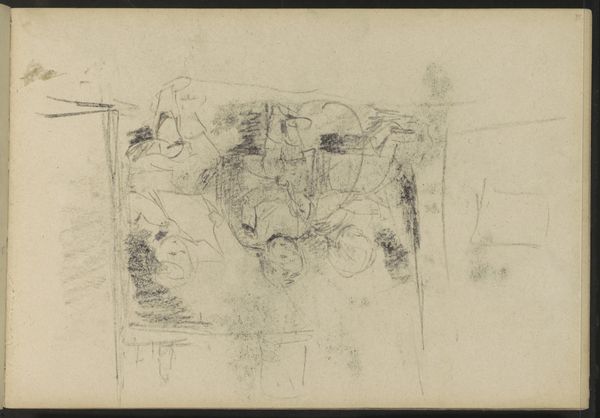
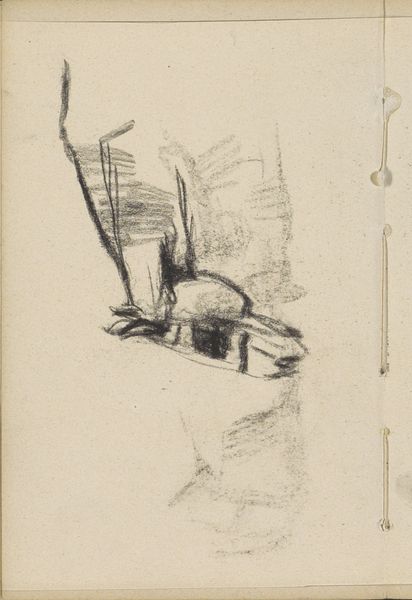
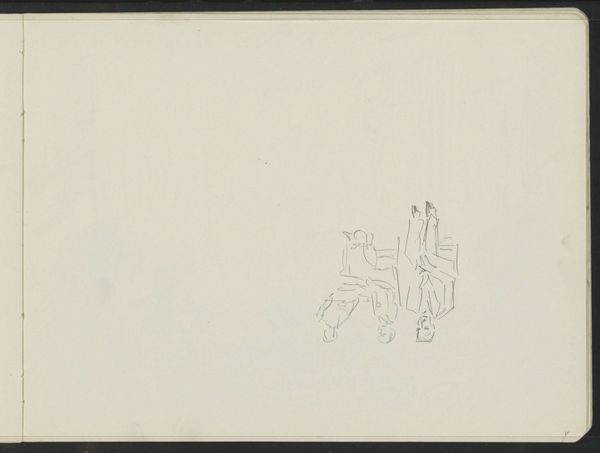
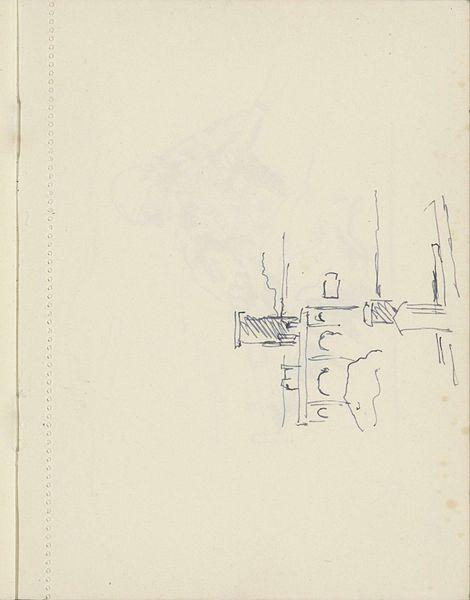
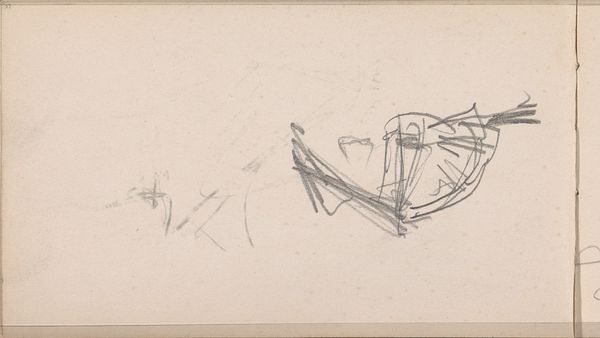
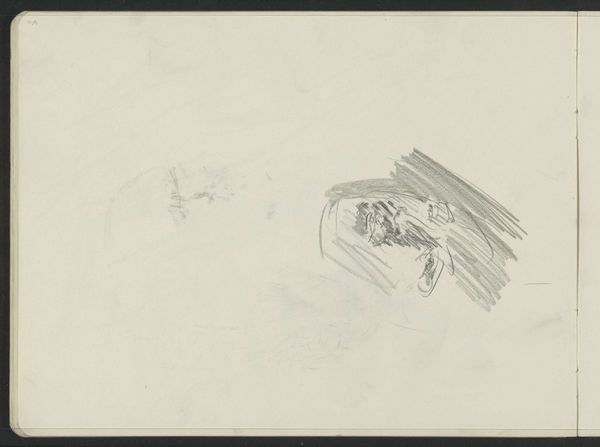
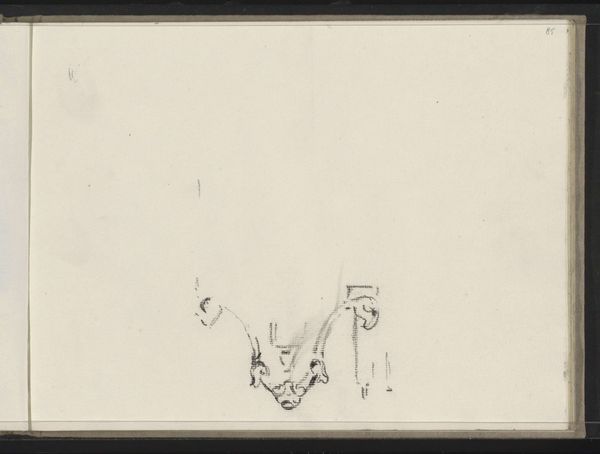
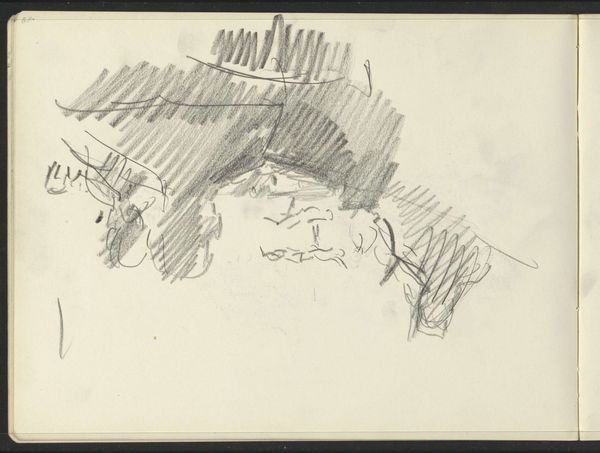
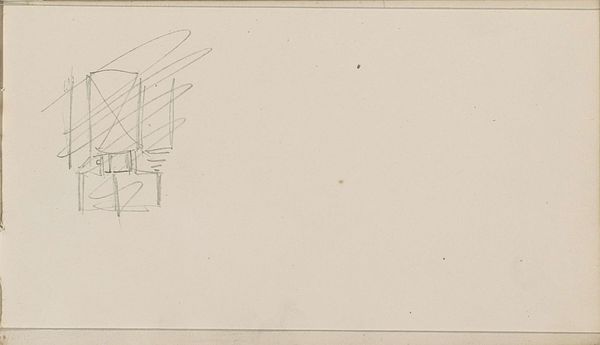
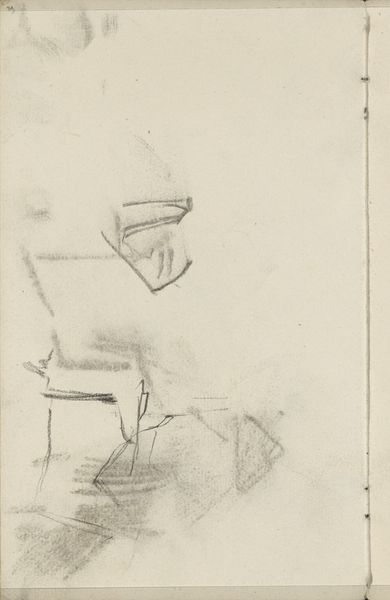
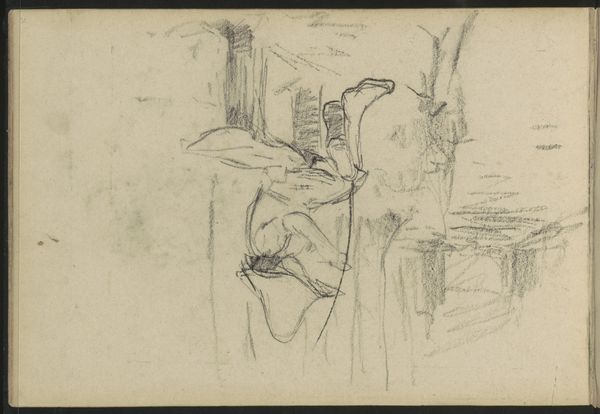
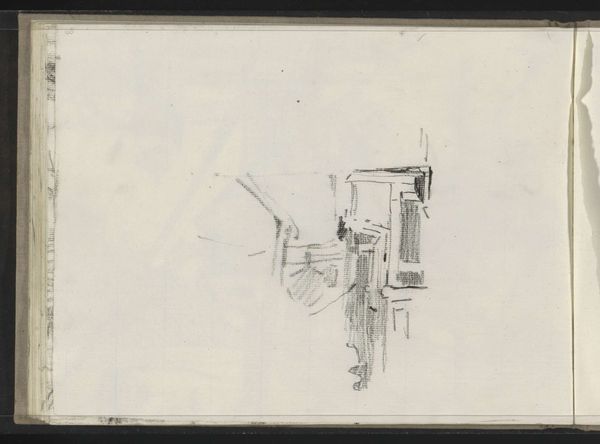
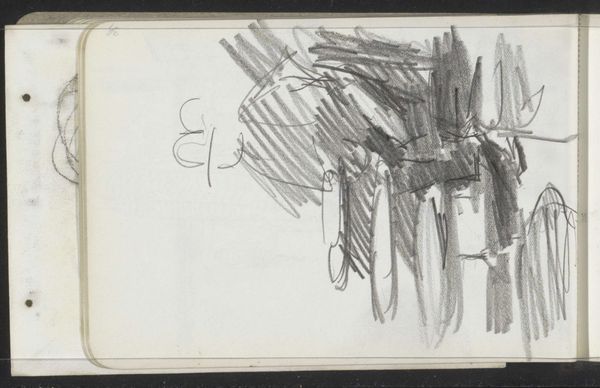
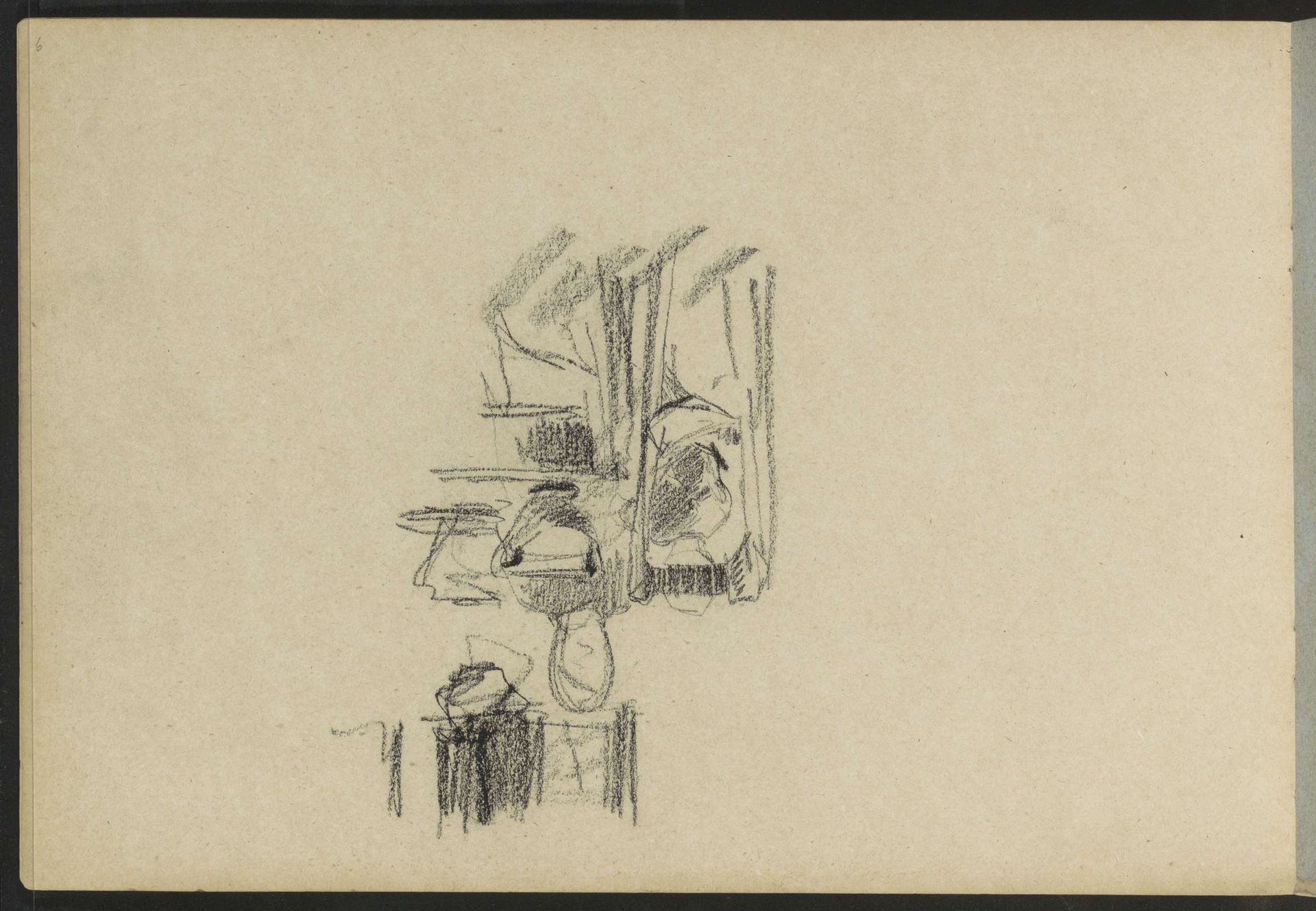
Editor: So this is Willem Witsen's "Vrouw en kind aan tafel," made around 1884 to 1887. It’s a pencil drawing, currently at the Rijksmuseum. It feels so immediate and intimate, like a glimpse into a private moment. What do you see in this piece? Curator: It's interesting you say "private moment." The late 19th century saw a growing interest in depicting domestic life, but through a critical lens. Witsen, part of the Dutch Impressionist movement, often portrayed scenes of everyday life. I see not just a woman and child at a table, but also a statement on the roles assigned to women during this period. Consider the societal expectations, the limited opportunities – is this scene one of comfort or confinement? What does it say about the woman’s position in society? Editor: That's a fascinating perspective. I was focusing more on the aesthetic qualities, the sketchy lines and the implied narrative, but I didn't really consider the social context. Is the sketchiness a deliberate choice, perhaps mirroring the uncertain status of women? Curator: Exactly. Think about Impressionism’s broader project: to capture fleeting moments, but also to challenge academic traditions. This sketch resists a polished, idealized image, suggesting perhaps an incomplete or unstable societal view of women. How does the lack of detail contribute to this reading? Editor: It makes them anonymous, almost representative rather than individual. It highlights their roles, stripping them of individuality. Curator: Precisely. And by extension, it becomes a commentary on the universal experiences and constraints placed on women of that era, opening up questions about domestic labor and personal fulfillment. What implications might that reading have for how we see similar images today? Editor: It makes me think about how far we’ve come, but also about the invisible labor that continues to be disproportionately performed by women, even today. Curator: Indeed. This artwork becomes a launchpad for understanding persistent inequalities. Art history isn’t just about the past; it’s about how the past informs our present.

Artwork details
- Medium
- drawing, pencil
- Location
- Rijksmuseum
- Copyright
- Rijks Museum: Open Domain
Tags
Comments
Share your thoughts
About this artwork
Editor: So this is Willem Witsen's "Vrouw en kind aan tafel," made around 1884 to 1887. It’s a pencil drawing, currently at the Rijksmuseum. It feels so immediate and intimate, like a glimpse into a private moment. What do you see in this piece? Curator: It's interesting you say "private moment." The late 19th century saw a growing interest in depicting domestic life, but through a critical lens. Witsen, part of the Dutch Impressionist movement, often portrayed scenes of everyday life. I see not just a woman and child at a table, but also a statement on the roles assigned to women during this period. Consider the societal expectations, the limited opportunities – is this scene one of comfort or confinement? What does it say about the woman’s position in society? Editor: That's a fascinating perspective. I was focusing more on the aesthetic qualities, the sketchy lines and the implied narrative, but I didn't really consider the social context. Is the sketchiness a deliberate choice, perhaps mirroring the uncertain status of women? Curator: Exactly. Think about Impressionism’s broader project: to capture fleeting moments, but also to challenge academic traditions. This sketch resists a polished, idealized image, suggesting perhaps an incomplete or unstable societal view of women. How does the lack of detail contribute to this reading? Editor: It makes them anonymous, almost representative rather than individual. It highlights their roles, stripping them of individuality. Curator: Precisely. And by extension, it becomes a commentary on the universal experiences and constraints placed on women of that era, opening up questions about domestic labor and personal fulfillment. What implications might that reading have for how we see similar images today? Editor: It makes me think about how far we’ve come, but also about the invisible labor that continues to be disproportionately performed by women, even today. Curator: Indeed. This artwork becomes a launchpad for understanding persistent inequalities. Art history isn’t just about the past; it’s about how the past informs our present.
Comments
Share your thoughts