About this artwork
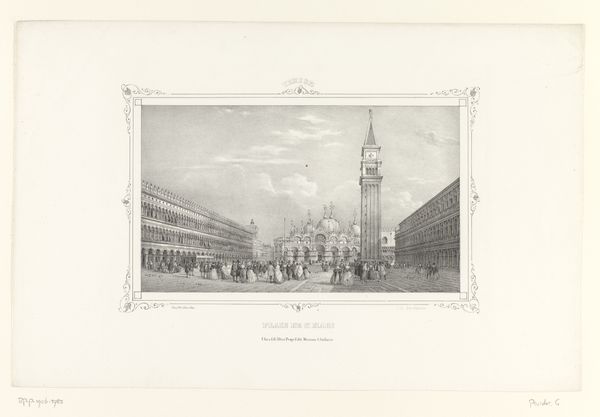
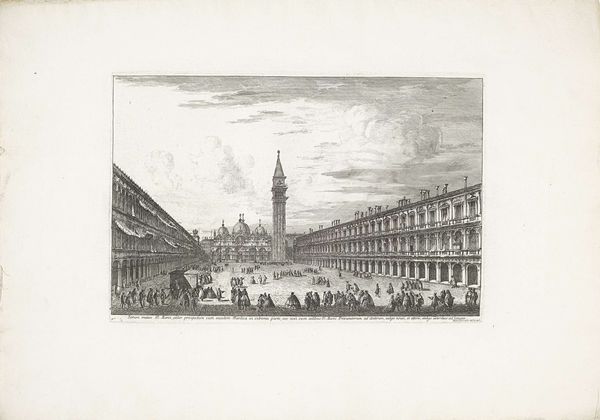
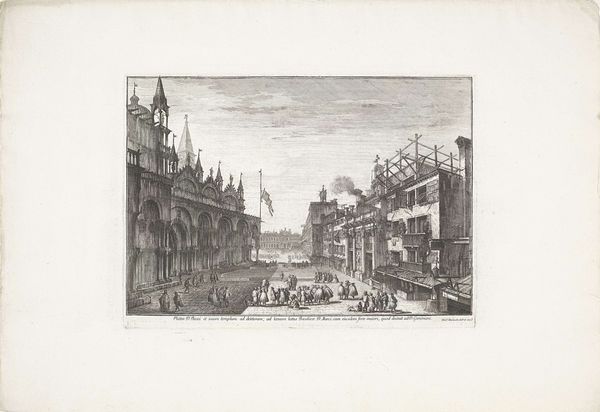
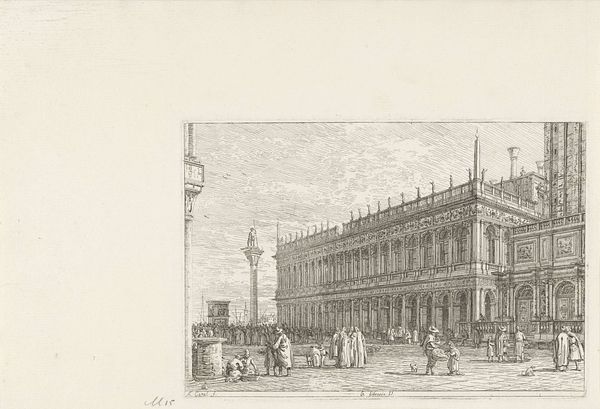
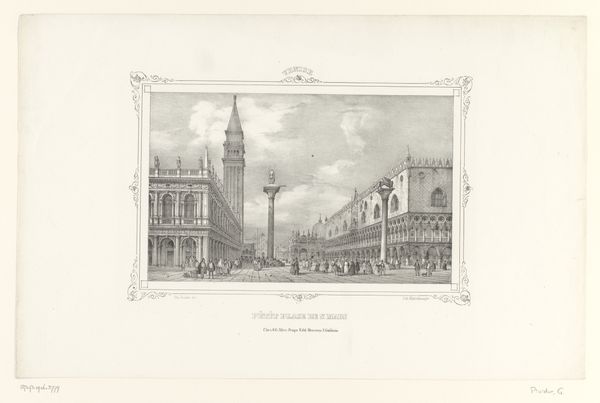
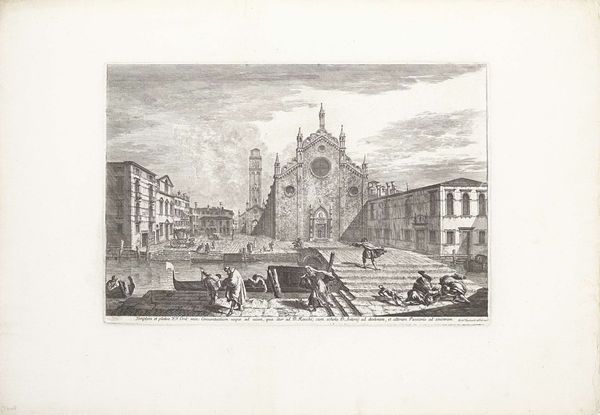
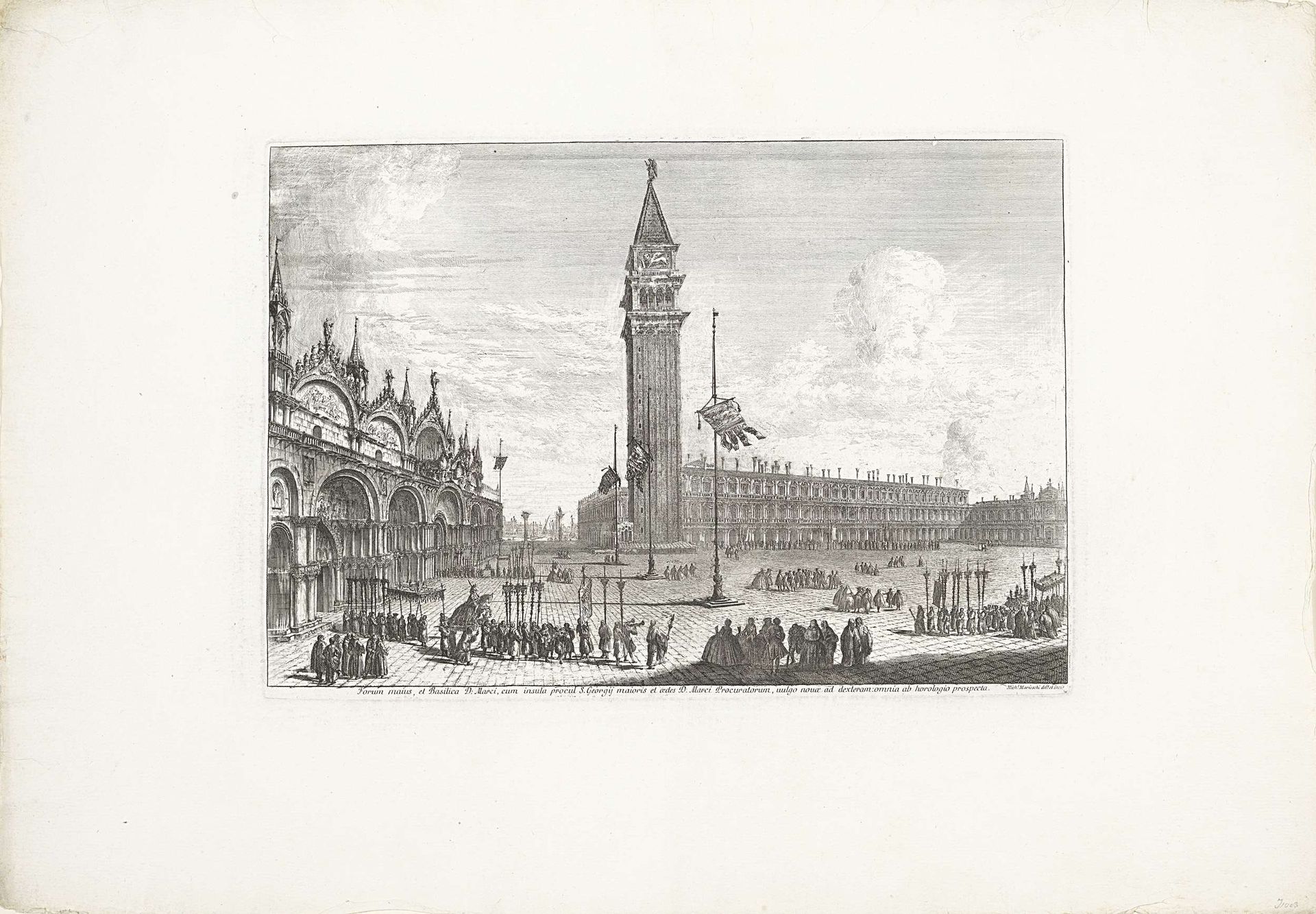
Michele Marieschi's "Piazza San Marco in Venice" is an etching, probably made in the 1730s, that captures the city’s most famous public square. The print presents a familiar view – the Basilica, the Campanile, and the Procuratie. But what might easily be mistaken for a simple record of the city is also an evocation of Venice's carefully cultivated image of itself as a center of power, piety, and commerce. Consider the way the composition centers the symbols of Venetian authority. Notice how the city’s inhabitants are arranged to emphasize social order. This was a time when Venice, though still prosperous, was facing increasing competition from other European powers. Prints such as these helped to promote Venice as a destination for tourists and a center for trade. To truly understand this image, we might turn to period guidebooks, official records, and the writings of visitors to Venice. Through these resources, we can understand how Venice presented itself to the world and how artists like Marieschi participated in the construction of the city’s cultural image.

Artwork details
- Medium
- drawing, print, etching, engraving
- Dimensions
- height 309 mm, width 447 mm
- Location
- Rijksmuseum
- Copyright
- Rijks Museum: Open Domain
Tags
drawing
venetian-painting
baroque
etching
landscape
cityscape
engraving
Comments
Be the first to share your thoughts about this work.
About this artwork
Michele Marieschi's "Piazza San Marco in Venice" is an etching, probably made in the 1730s, that captures the city’s most famous public square. The print presents a familiar view – the Basilica, the Campanile, and the Procuratie. But what might easily be mistaken for a simple record of the city is also an evocation of Venice's carefully cultivated image of itself as a center of power, piety, and commerce. Consider the way the composition centers the symbols of Venetian authority. Notice how the city’s inhabitants are arranged to emphasize social order. This was a time when Venice, though still prosperous, was facing increasing competition from other European powers. Prints such as these helped to promote Venice as a destination for tourists and a center for trade. To truly understand this image, we might turn to period guidebooks, official records, and the writings of visitors to Venice. Through these resources, we can understand how Venice presented itself to the world and how artists like Marieschi participated in the construction of the city’s cultural image.
Comments
Be the first to share your thoughts about this work.