1868 - 1890
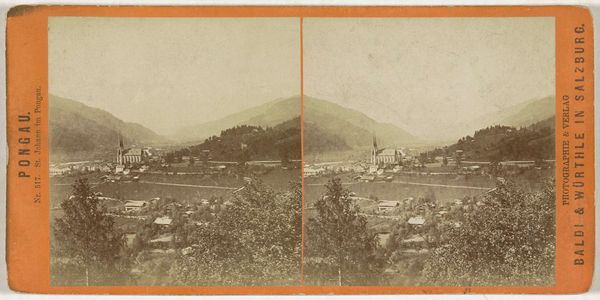
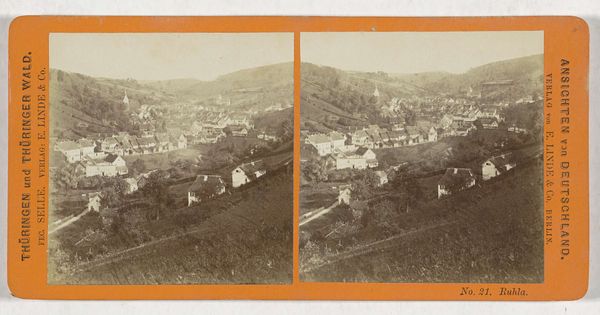
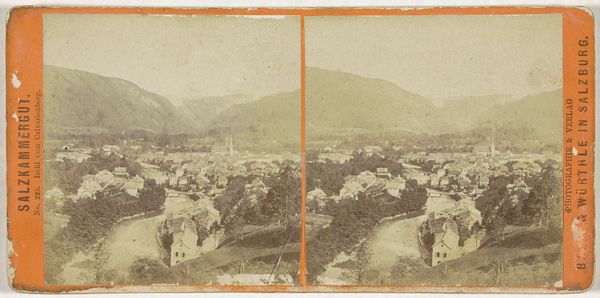
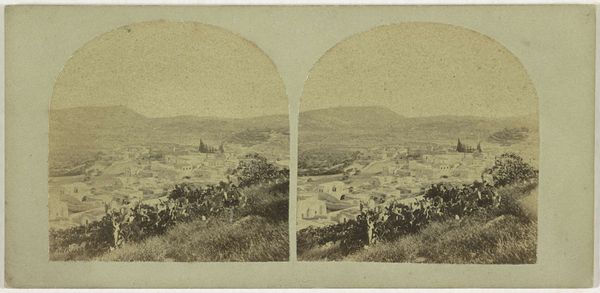
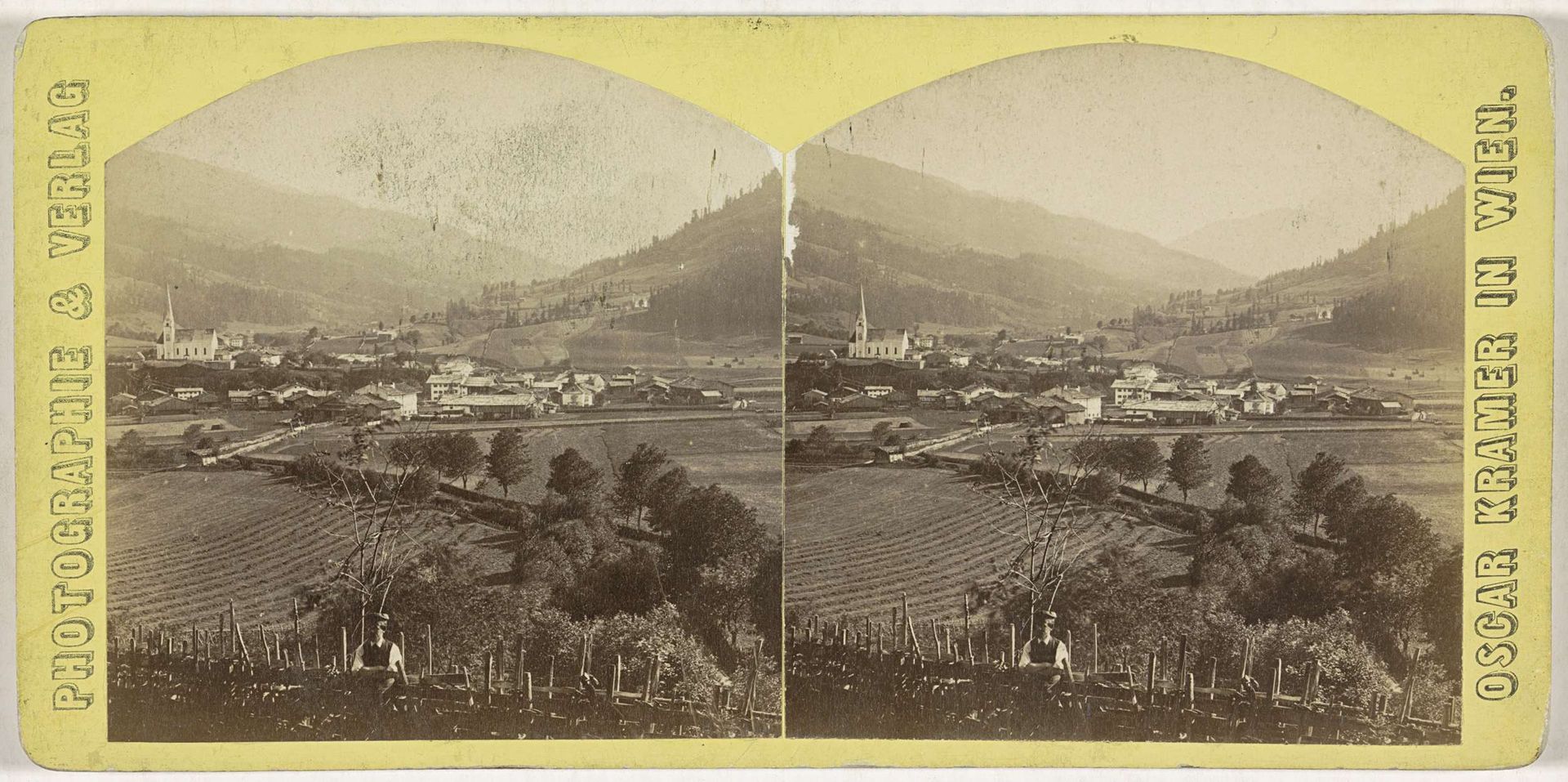
Gezicht op Kirchberg in Tirol en de Rottenstein

Listen to curator's interpretation
Curatorial notes
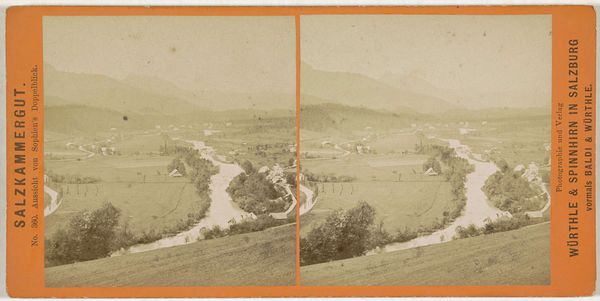
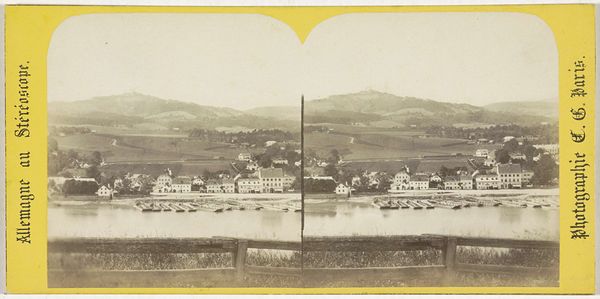
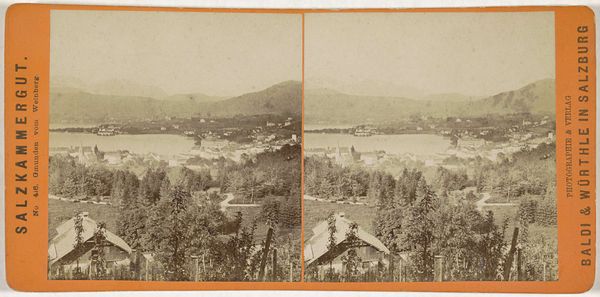
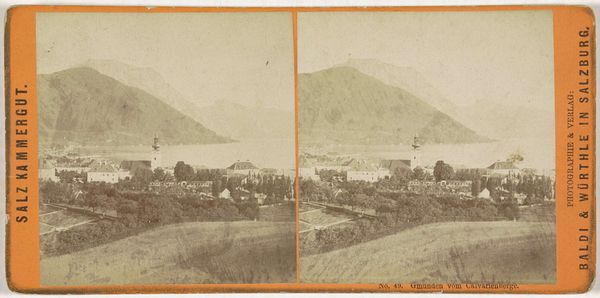
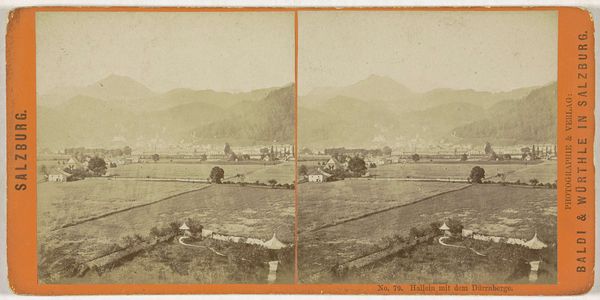
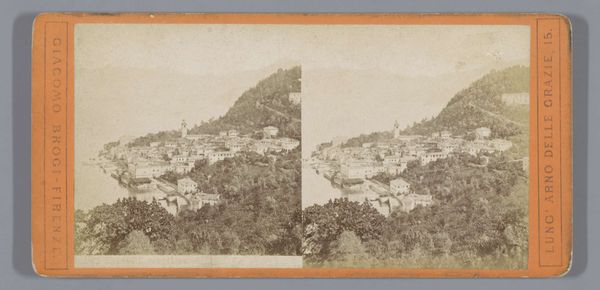
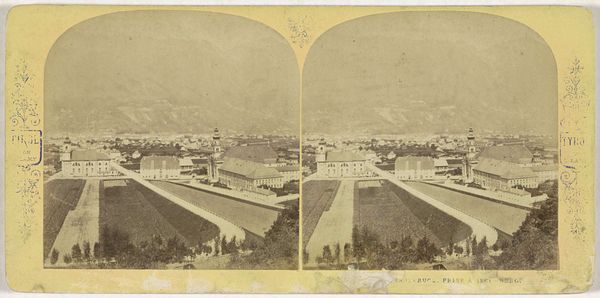
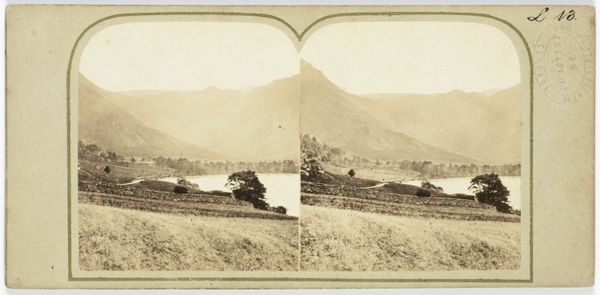
This stereoscopic photograph, "Gezicht op Kirchberg in Tirol en de Rottenstein," by Oscar Krämer presents a compelling study in composition and tonal range. Executed in the 19th century, the subdued sepia tones create a sense of depth, emphasizing the receding layers of the landscape. The composition, divided into foreground, middle ground, and background, draws the eye from the textured fields up to the village nestled beneath the mountains. Krämer uses the stereoscopic format to enhance this depth, giving the scene a palpable sense of space. The symmetry inherent in the stereoscopic image offers a fascinating play with perspective. It invites us to consider how such repetition both reinforces and potentially destabilizes our perception of space and form. The photograph's structure invites ongoing interpretation, where the interplay of form and perspective shapes our understanding.