About this artwork
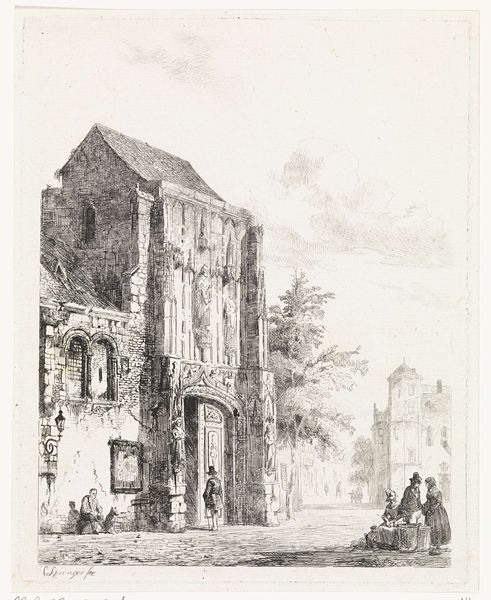
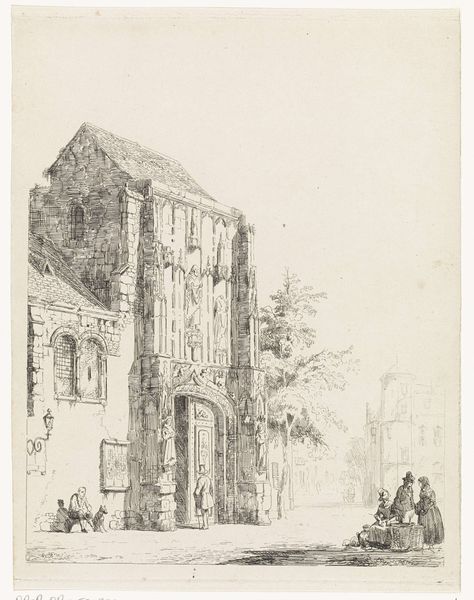
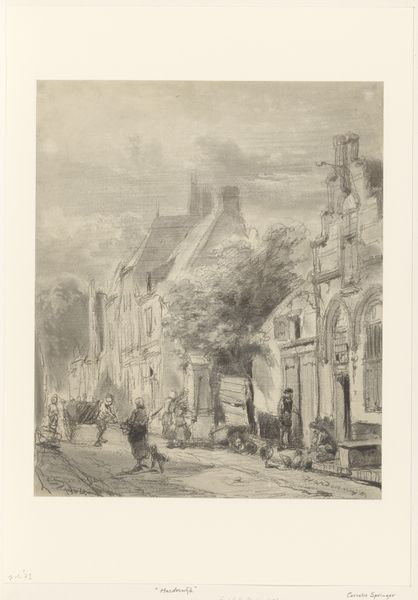
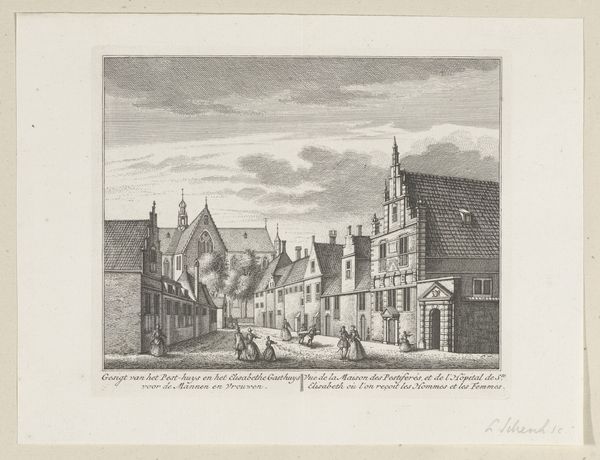
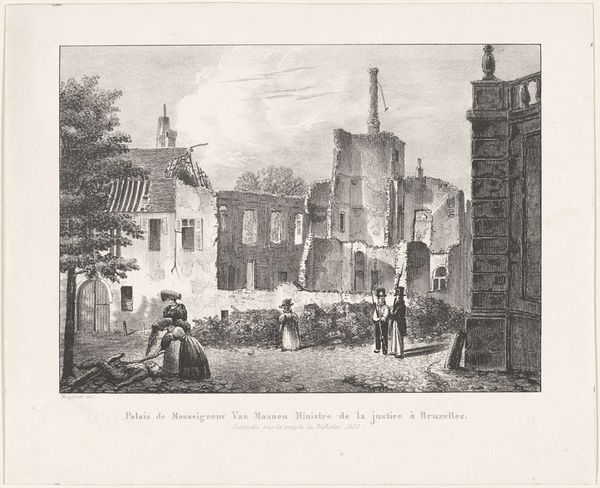
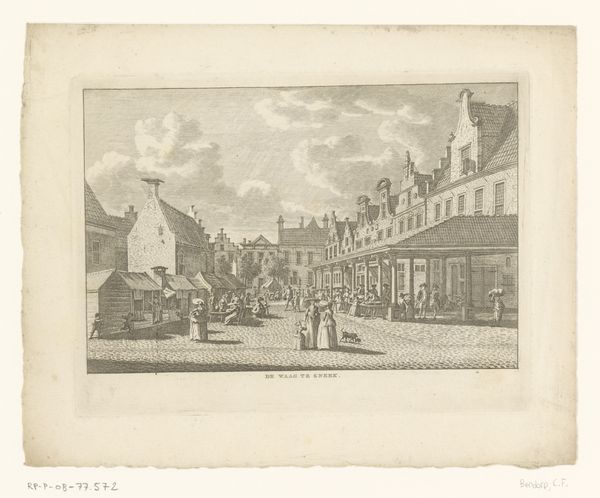
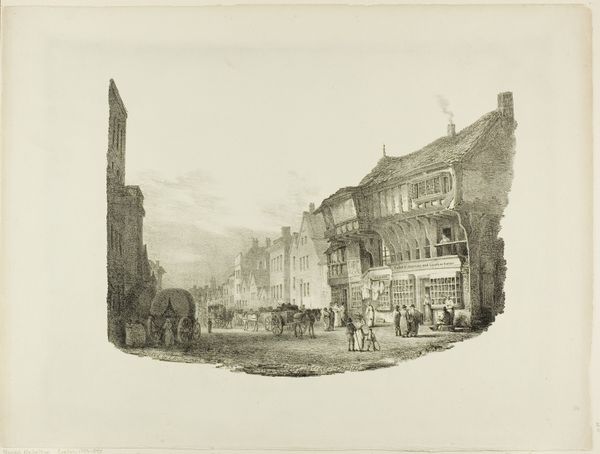
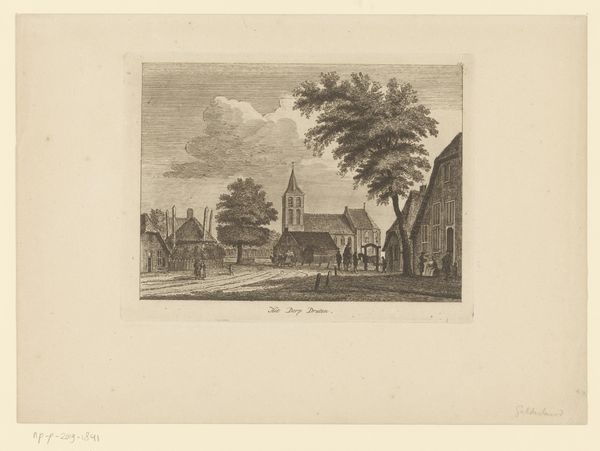
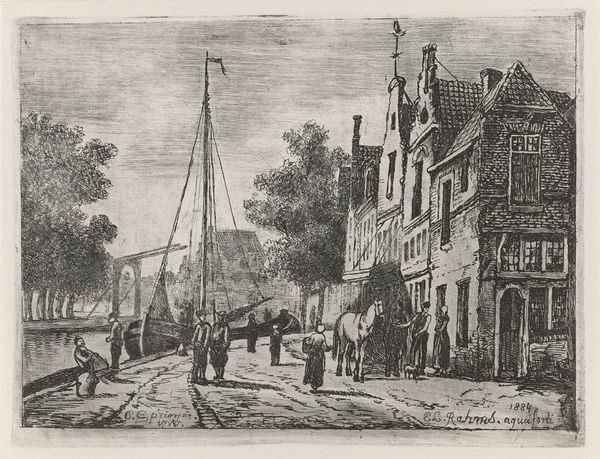
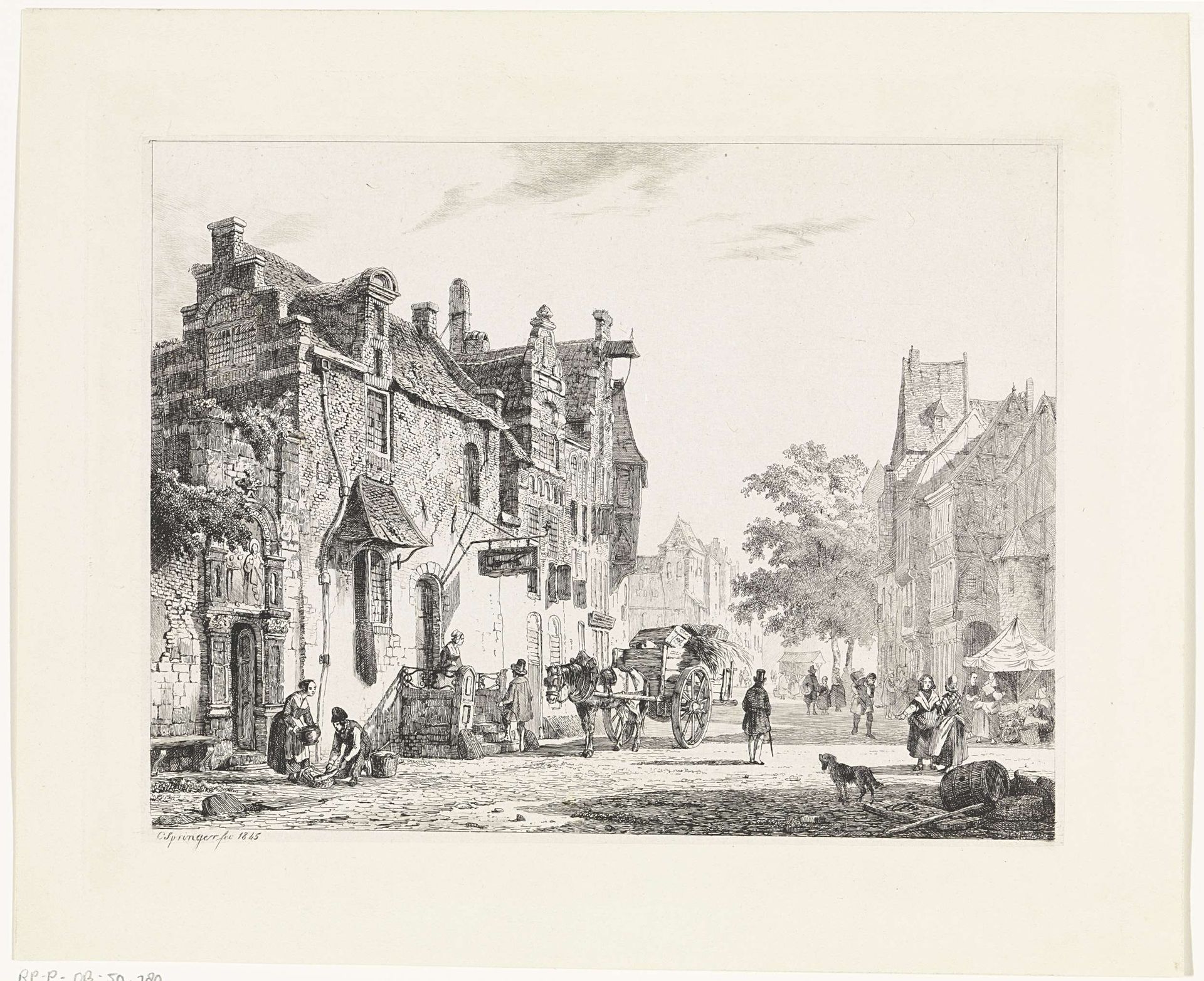
Cornelis Springer made this city view with horse cart in 1855 using etching and paper. The artist would have applied a waxy ground to a metal plate, then scratched an image into it with a needle. When acid was applied, it bit into the exposed metal, leaving behind an intricate network of incised lines. The choice of etching as a medium carries its own social weight. Unlike painting, which was often the preserve of the wealthy, etching lent itself to reproduction, and therefore wider distribution. The city scene, bustling with everyday life, is meticulously rendered, and the lines of the etching capture the grit and texture of the urban environment. Look at the figures, rendered in fine detail, engaged in various activities, and consider the labor implicit in the scene – the loading of carts, the sweeping of streets, and the general commerce of the city. In appreciating this etching, we are reminded of the complex interplay between art, labor, and the everyday.

Artwork details
- Medium
- drawing, print, etching
- Dimensions
- height 238 mm, width 297 mm
- Location
- Rijksmuseum
- Copyright
- Rijks Museum: Open Domain
Tags
Comments
Share your thoughts
About this artwork
Cornelis Springer made this city view with horse cart in 1855 using etching and paper. The artist would have applied a waxy ground to a metal plate, then scratched an image into it with a needle. When acid was applied, it bit into the exposed metal, leaving behind an intricate network of incised lines. The choice of etching as a medium carries its own social weight. Unlike painting, which was often the preserve of the wealthy, etching lent itself to reproduction, and therefore wider distribution. The city scene, bustling with everyday life, is meticulously rendered, and the lines of the etching capture the grit and texture of the urban environment. Look at the figures, rendered in fine detail, engaged in various activities, and consider the labor implicit in the scene – the loading of carts, the sweeping of streets, and the general commerce of the city. In appreciating this etching, we are reminded of the complex interplay between art, labor, and the everyday.
Comments
Share your thoughts