
Curatorial notes
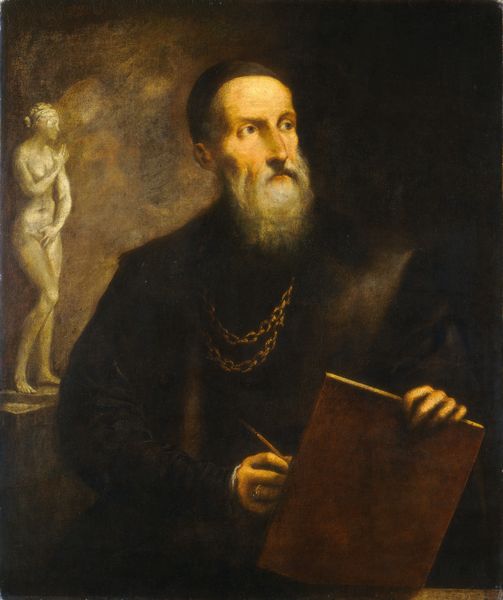
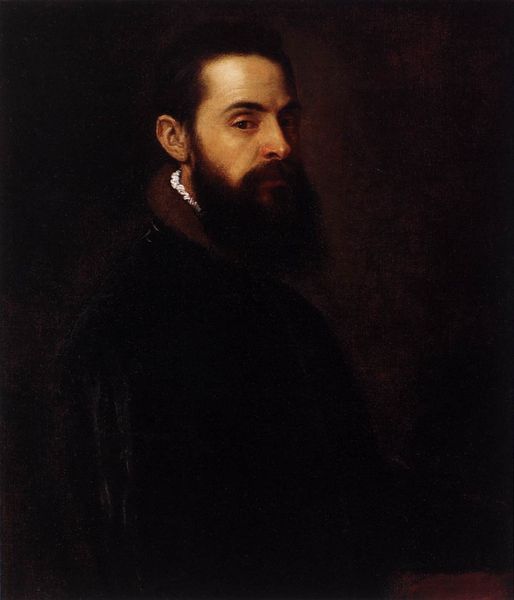
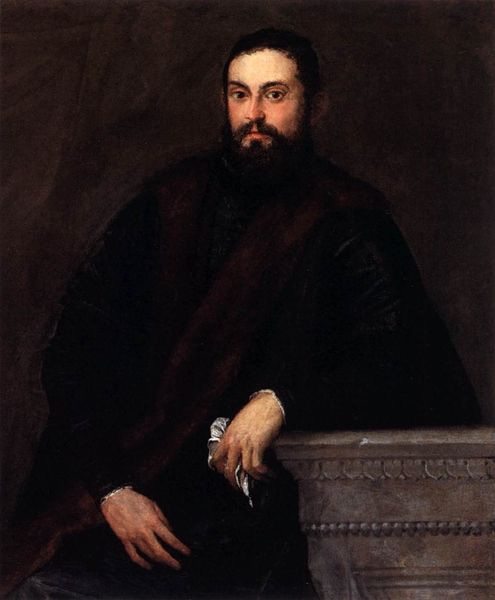
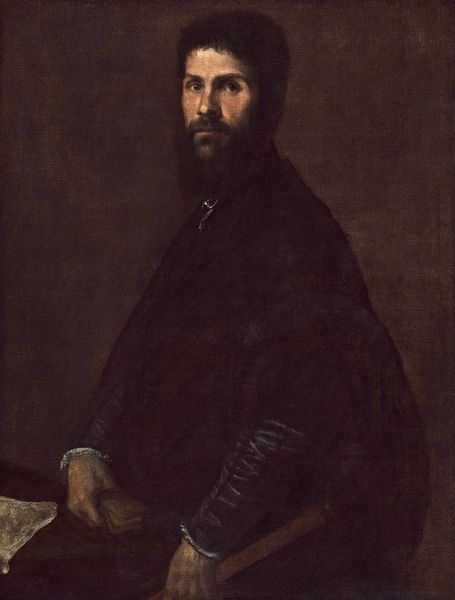
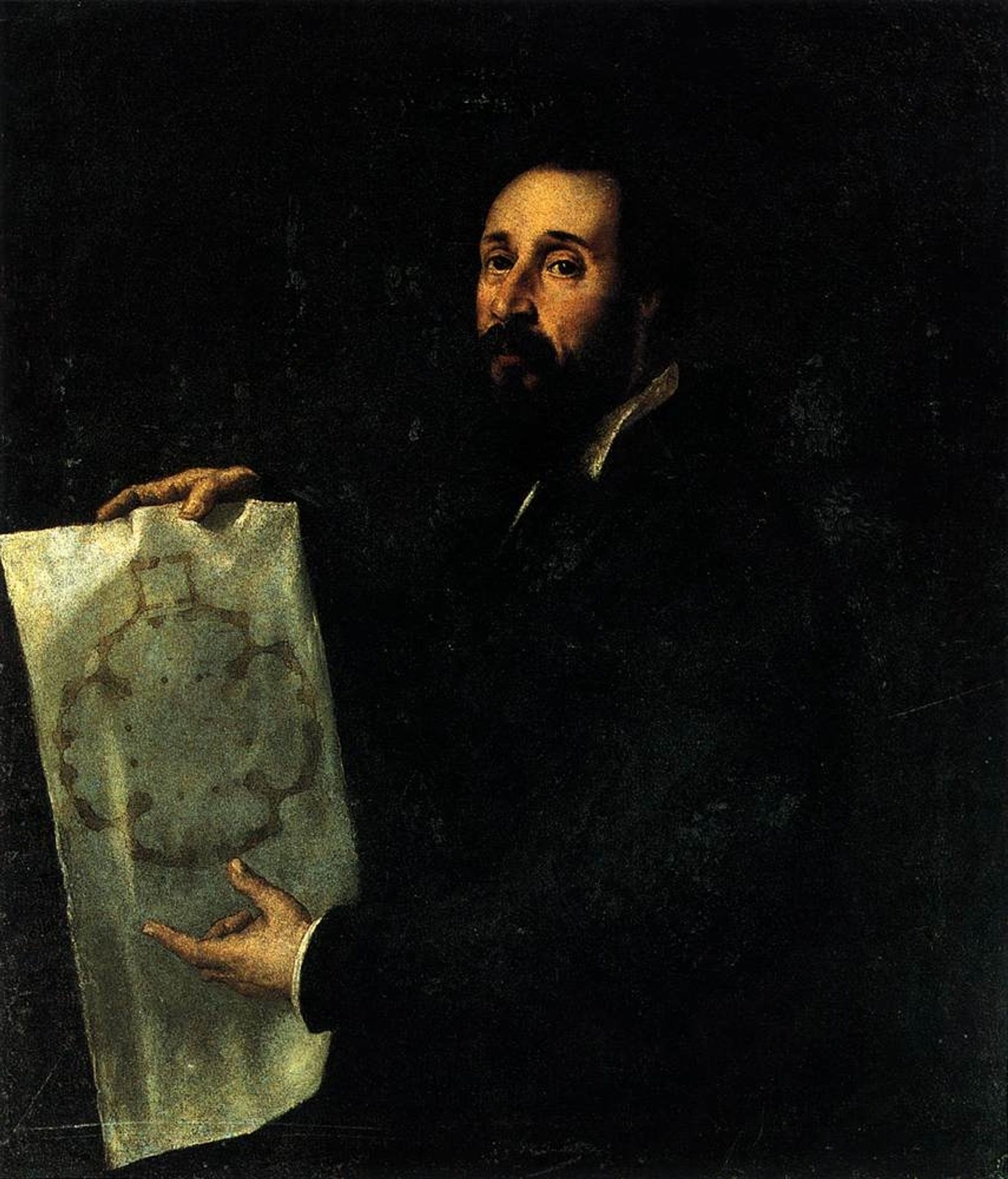
Titian’s portrait of Giulio Romano presents a significant exchange between two giants of the Italian Renaissance. Painted in the 1540s in Venice, the portrait is a potent statement about the social standing of artists at the time. Titian portrays Romano, a painter and architect, holding a design, possibly for a building. The display of technical knowledge elevates Romano's status. Renaissance society was deeply hierarchical, with artists traditionally seen as skilled laborers rather than intellectuals. This portrait challenges that rigid social structure. Titian’s depiction, along with his own fame and wealth, contributed to a shift in the perception of artists as learned individuals. Art historians consult letters, contracts, and biographies to understand the changing role of artists in this period. By studying these sources, we gain a richer understanding of how art both reflects and shapes the social and institutional contexts in which it is made.