About this artwork
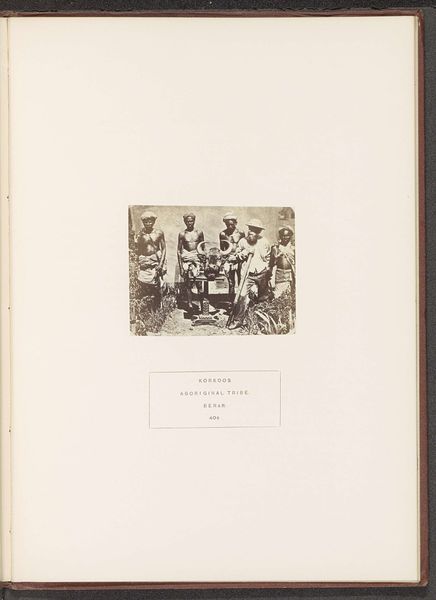
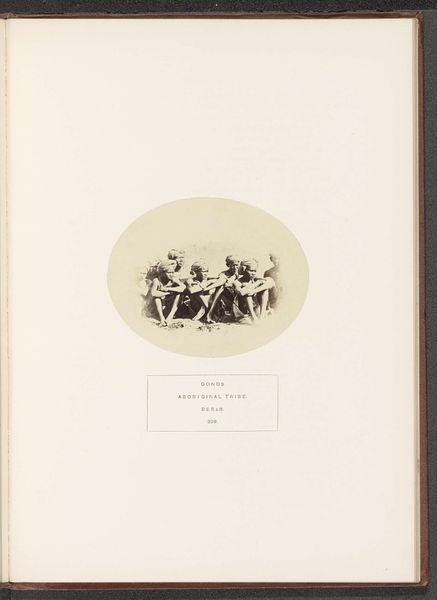
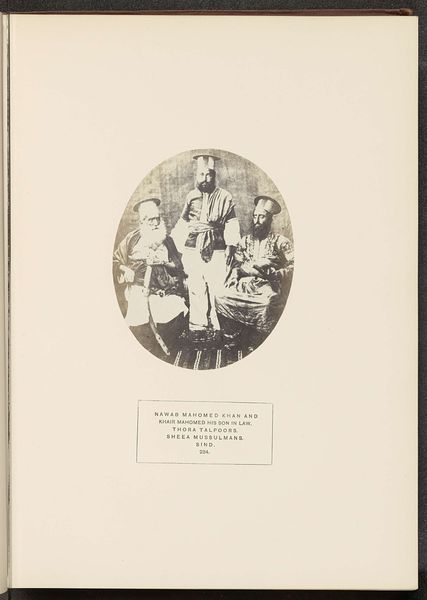
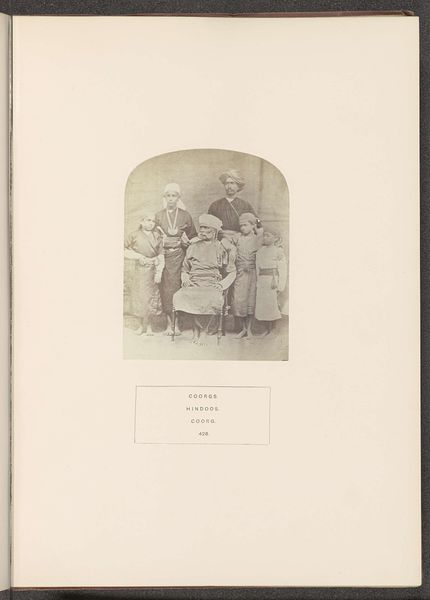
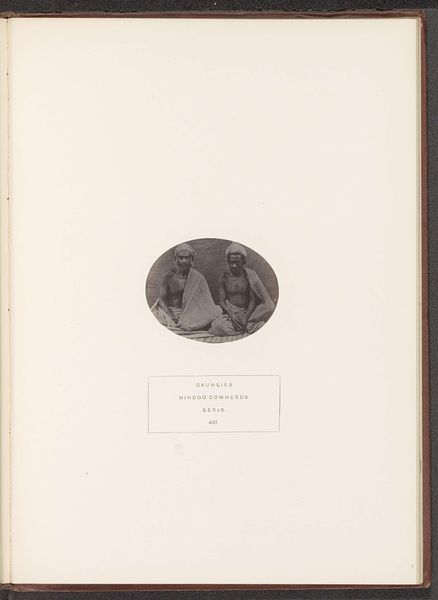
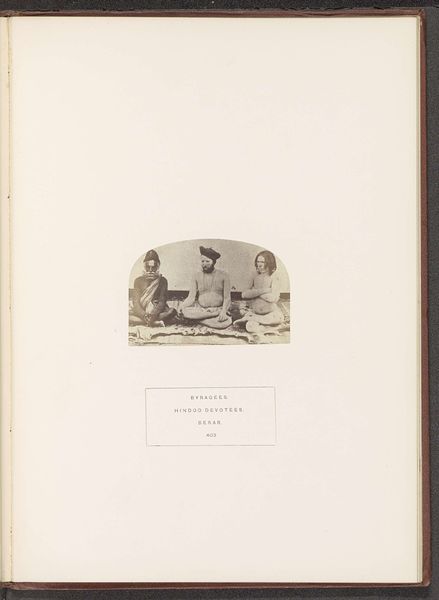
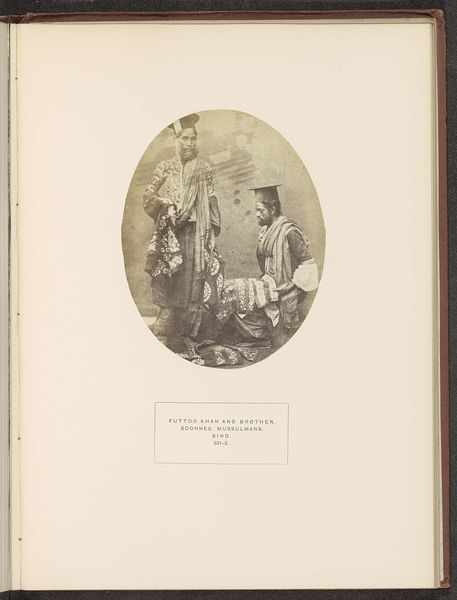
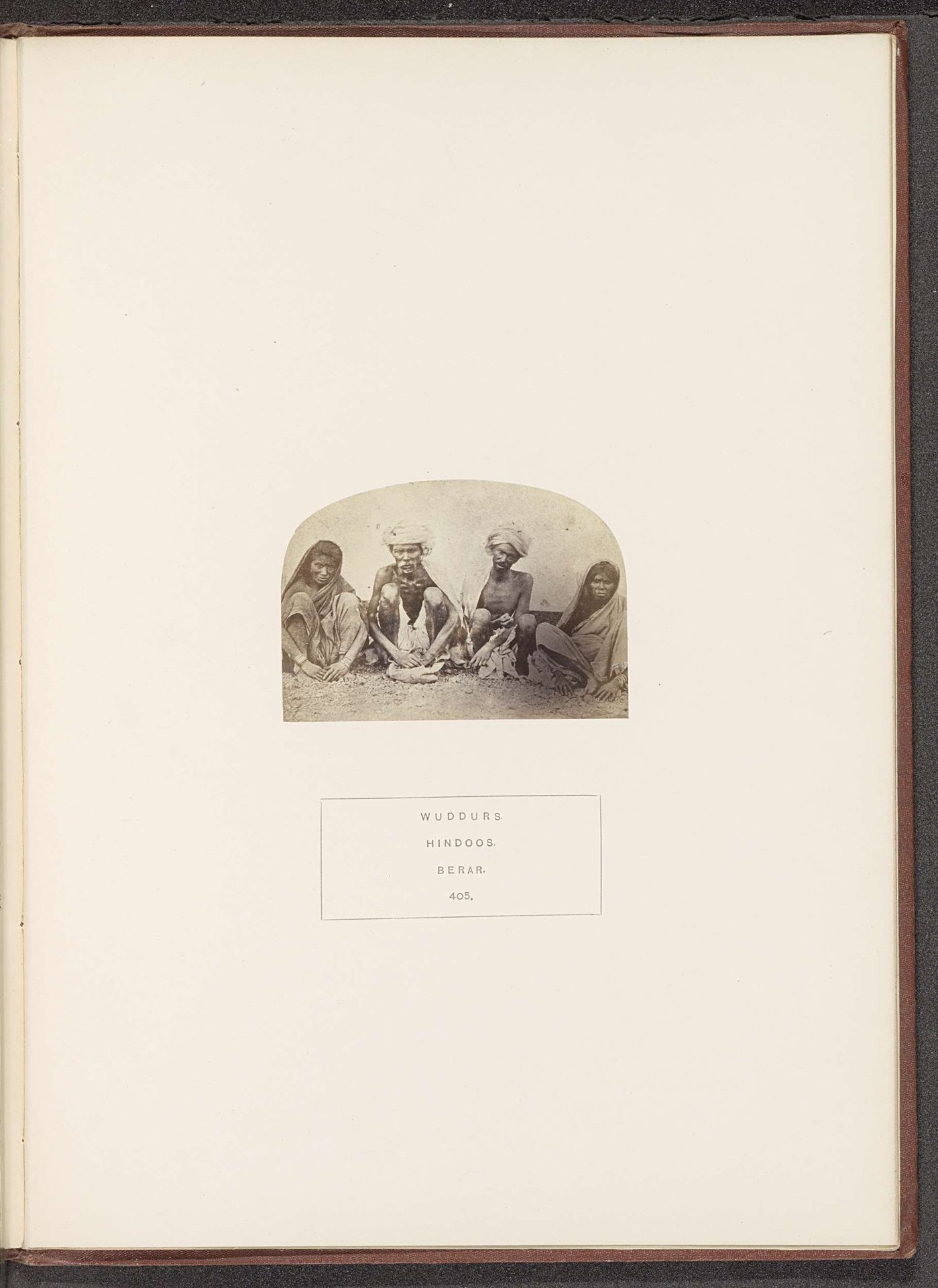
This photograph of four individuals from the Wuddur community in Berar was taken by James Mulheran. The image offers a window into the colonial gaze and the representation of marginalized communities in 19th-century India. The Wuddur, historically associated with nomadic lifestyles, faced systemic oppression under British rule. Mulheran's photograph, while seemingly a simple portrait, is loaded with the power dynamics of the time. The subjects are presented in a manner that emphasizes their otherness, reinforcing colonial stereotypes. The photograph freezes them in time, reducing them to ethnographic specimens rather than allowing their individuality to shine through. Reflecting on this image, we must ask ourselves: Whose story is being told? And at what cost? This image, in its quiet way, reminds us of the complexities of representation and the enduring impact of colonial narratives.
Portret van vier onbekende mensen van Wuddur afkomst in Berar
1862

Artwork details
- Medium
- photography, albumen-print
- Dimensions
- height 66 mm, width 95 mm
- Copyright
- Rijks Museum: Open Domain
Tags
Comments
Share your thoughts
About this artwork
This photograph of four individuals from the Wuddur community in Berar was taken by James Mulheran. The image offers a window into the colonial gaze and the representation of marginalized communities in 19th-century India. The Wuddur, historically associated with nomadic lifestyles, faced systemic oppression under British rule. Mulheran's photograph, while seemingly a simple portrait, is loaded with the power dynamics of the time. The subjects are presented in a manner that emphasizes their otherness, reinforcing colonial stereotypes. The photograph freezes them in time, reducing them to ethnographic specimens rather than allowing their individuality to shine through. Reflecting on this image, we must ask ourselves: Whose story is being told? And at what cost? This image, in its quiet way, reminds us of the complexities of representation and the enduring impact of colonial narratives.
Comments
Share your thoughts