About this artwork
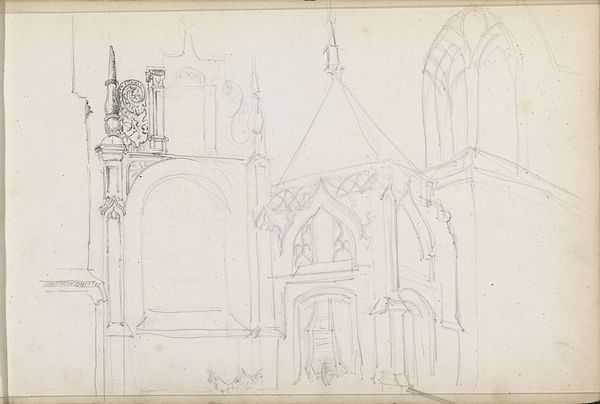
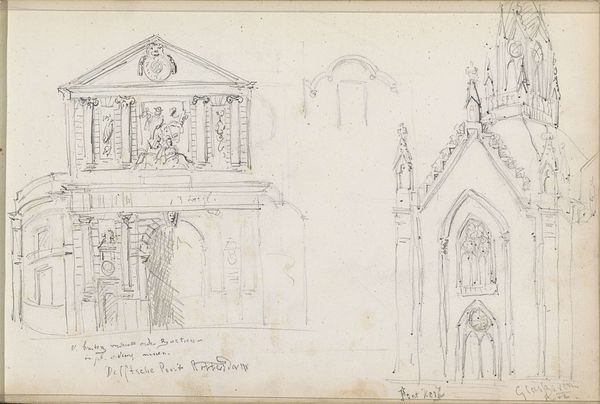
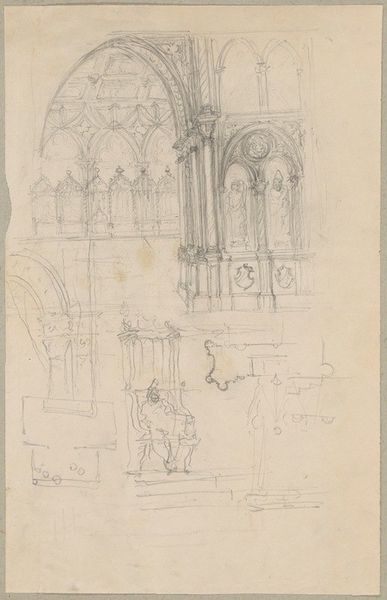
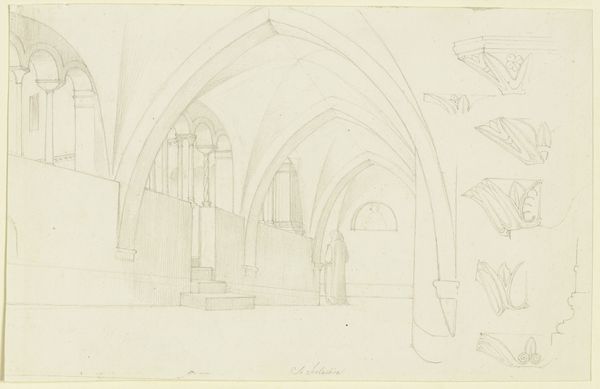
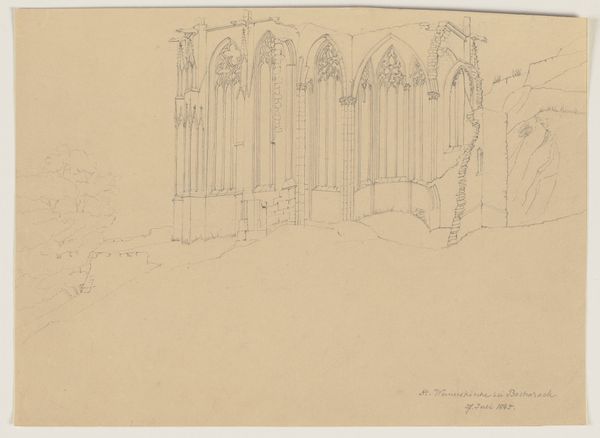
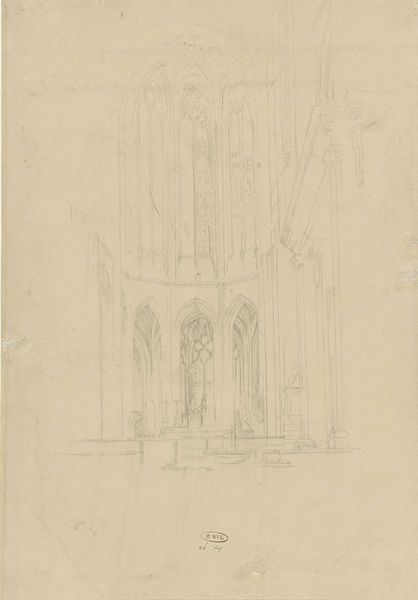
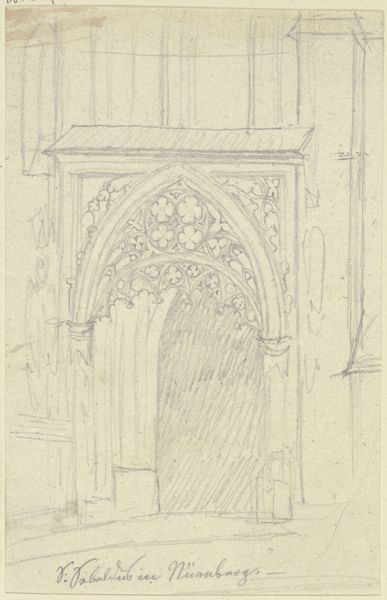
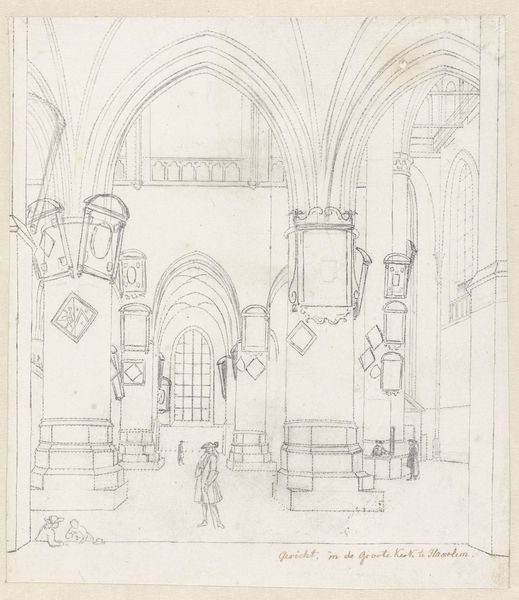
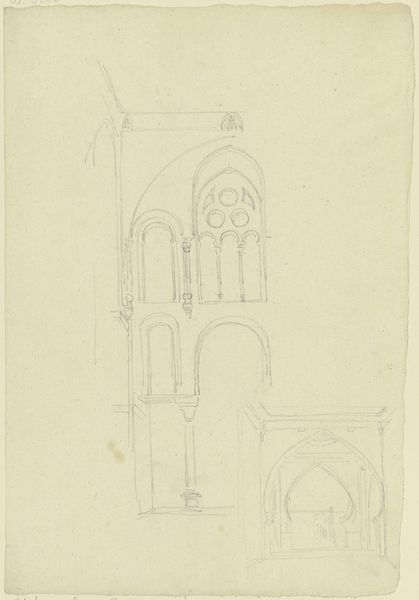
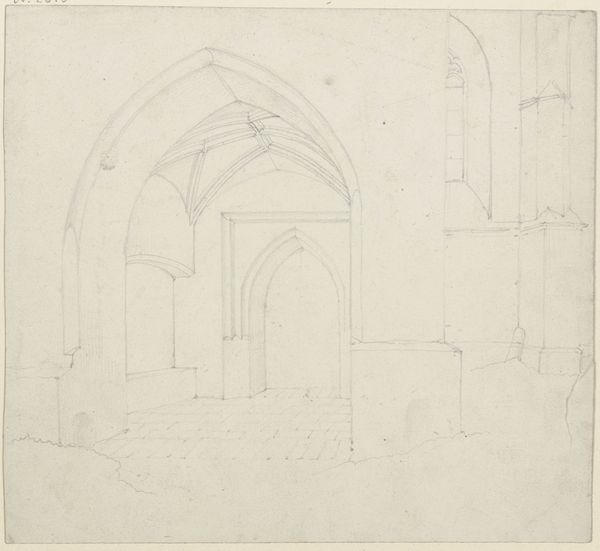
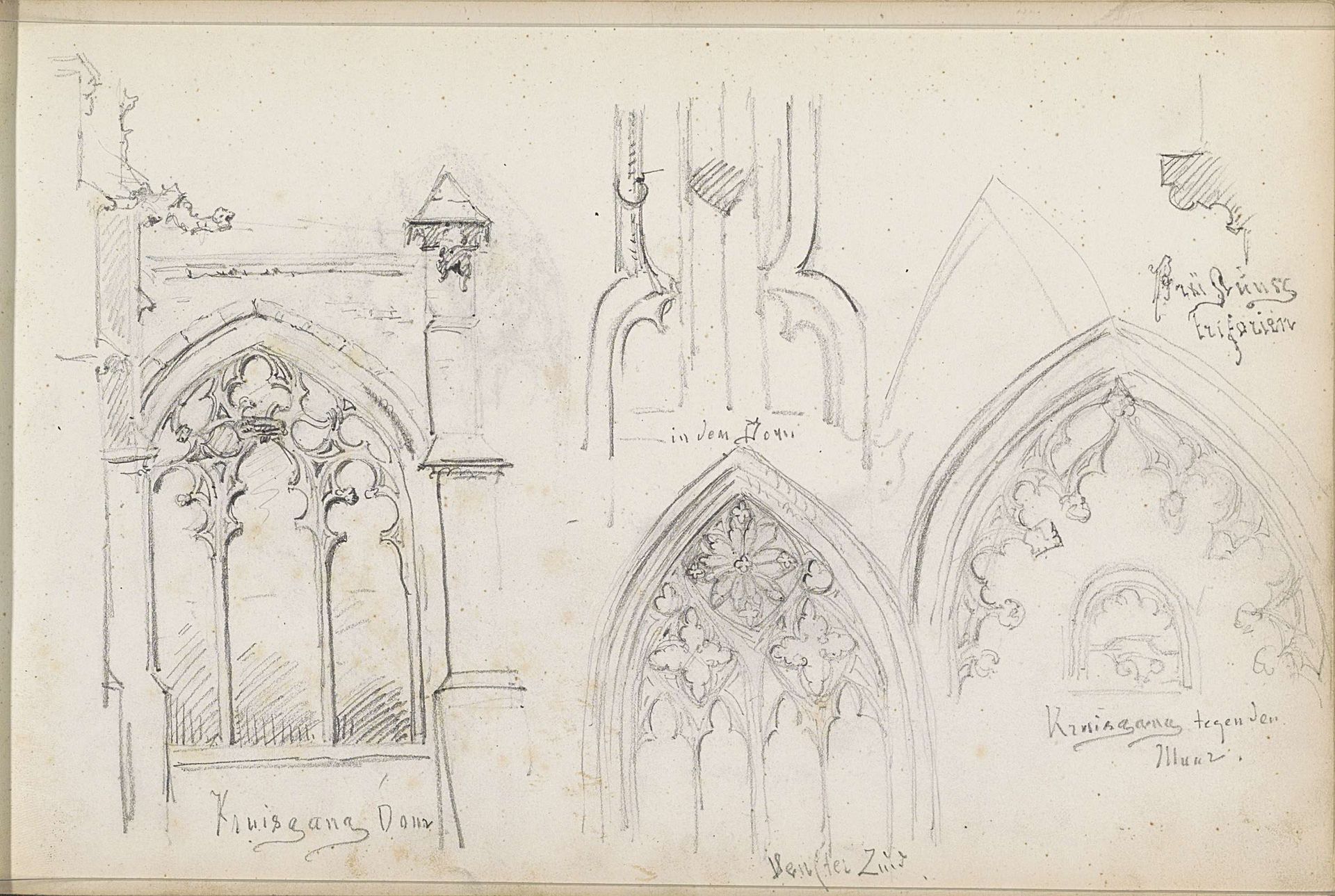
Isaac Gosschalk made this pencil drawing of the Utrecht Cathedral’s cloister windows, preserving their intricate design. It’s tempting to think of drawing as a preliminary activity, but the sensitivity of the rendering here suggests otherwise. Gosschalk used graphite, a readily available material in the 19th century, but the magic is in the technique. Notice how he captures the texture of the stone through careful shading and line work. The arches and tracery, typical of Gothic architecture, come alive through the precise control of the pencil. This required a high degree of skill, honed through training and practice. The drawing is more than just a record; it’s an act of interpretation. Gosschalk is inviting us to appreciate the craftsmanship inherent in the original stone windows. The drawing becomes a way of preserving cultural heritage. It also prompts us to consider the social context, reflecting the value placed on architectural craftsmanship during the 19th century.
Vensters met maaswerk in de kruisgang van de Dom te Utrecht
1862 - 1867

Artwork details
- Medium
- drawing, paper, pencil, architecture
- Copyright
- Rijks Museum: Open Domain
Tags
Comments
Share your thoughts
About this artwork
Isaac Gosschalk made this pencil drawing of the Utrecht Cathedral’s cloister windows, preserving their intricate design. It’s tempting to think of drawing as a preliminary activity, but the sensitivity of the rendering here suggests otherwise. Gosschalk used graphite, a readily available material in the 19th century, but the magic is in the technique. Notice how he captures the texture of the stone through careful shading and line work. The arches and tracery, typical of Gothic architecture, come alive through the precise control of the pencil. This required a high degree of skill, honed through training and practice. The drawing is more than just a record; it’s an act of interpretation. Gosschalk is inviting us to appreciate the craftsmanship inherent in the original stone windows. The drawing becomes a way of preserving cultural heritage. It also prompts us to consider the social context, reflecting the value placed on architectural craftsmanship during the 19th century.
Comments
Share your thoughts