About this artwork
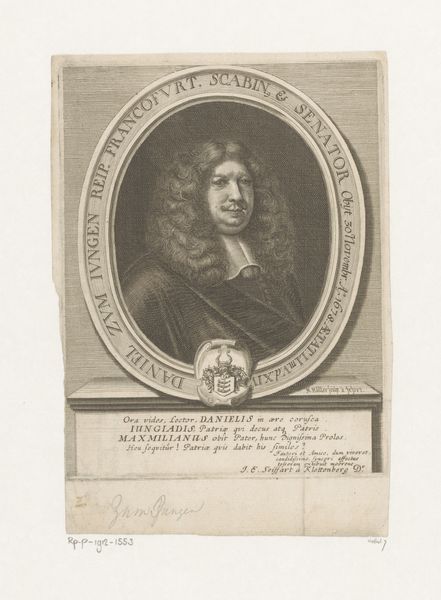
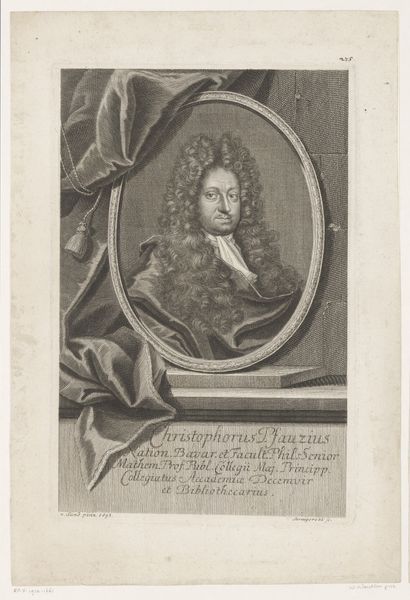
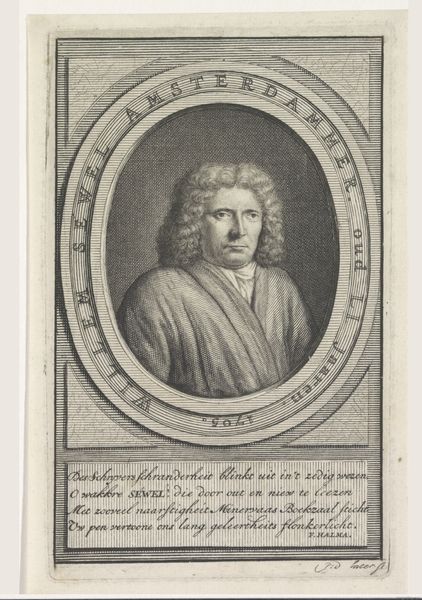
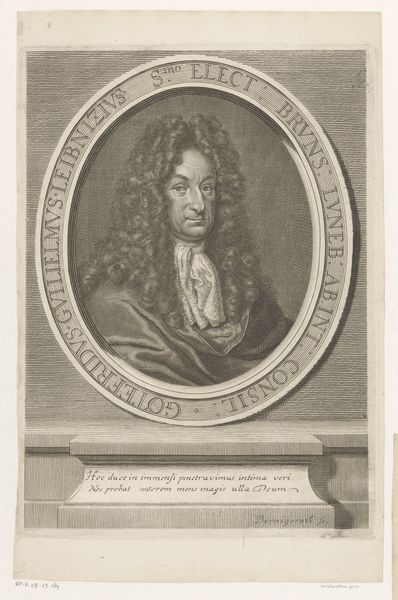
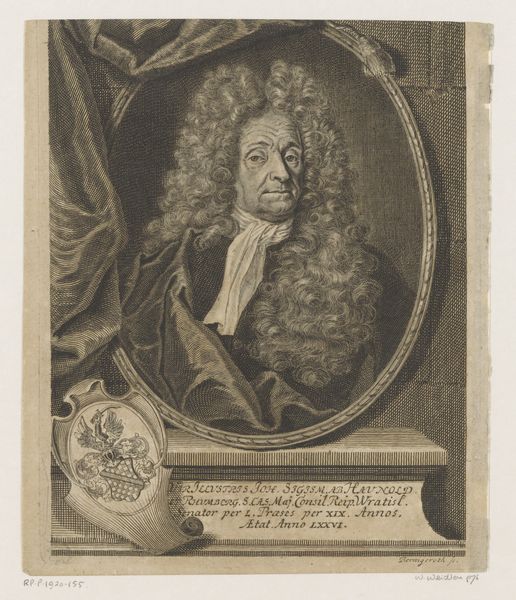
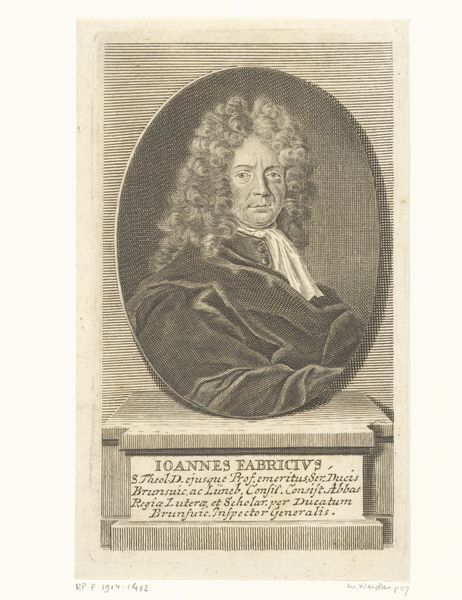
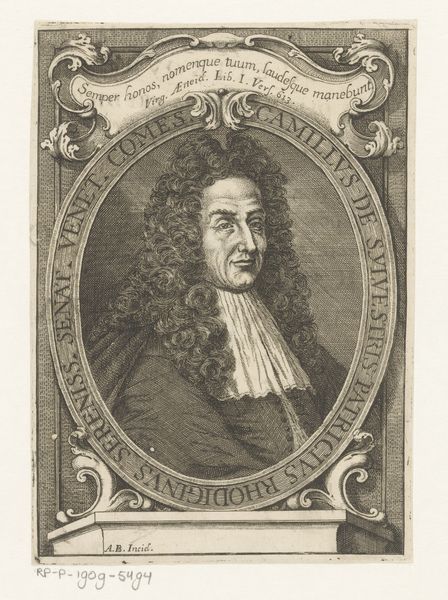
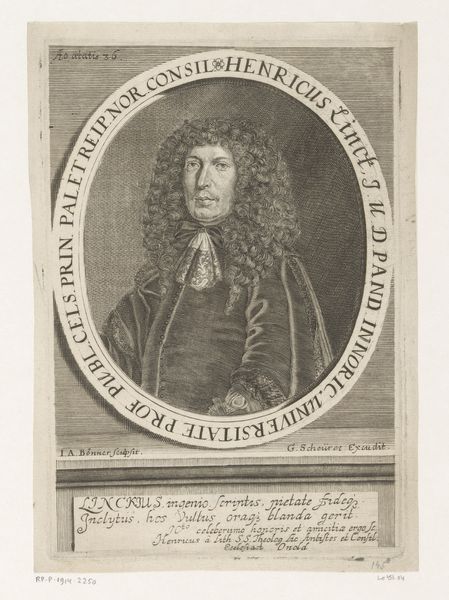
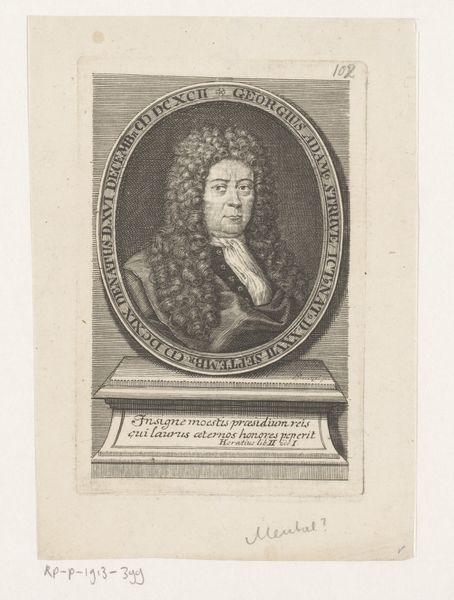
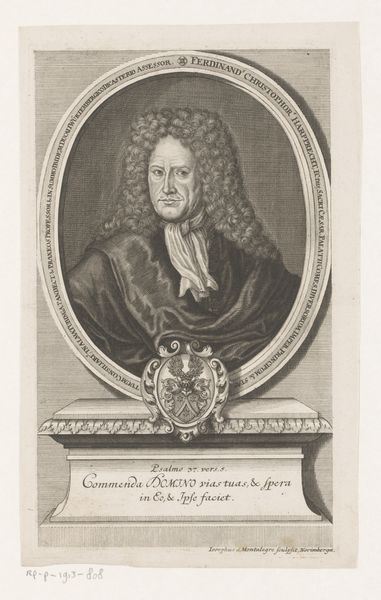
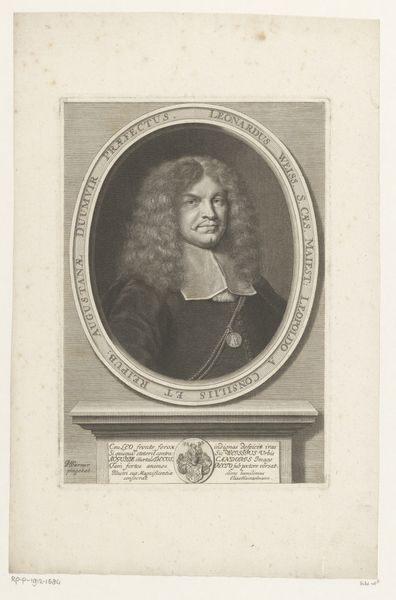
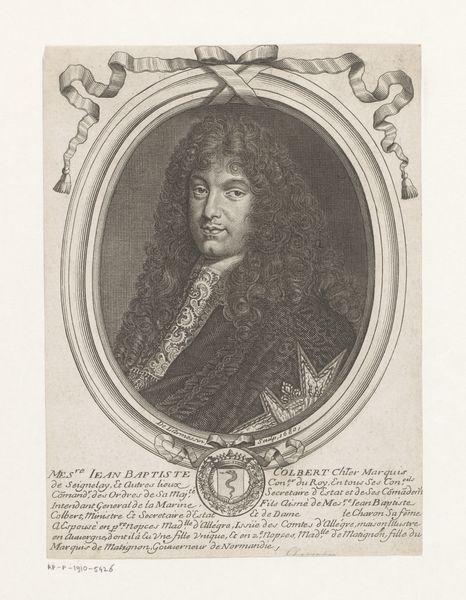
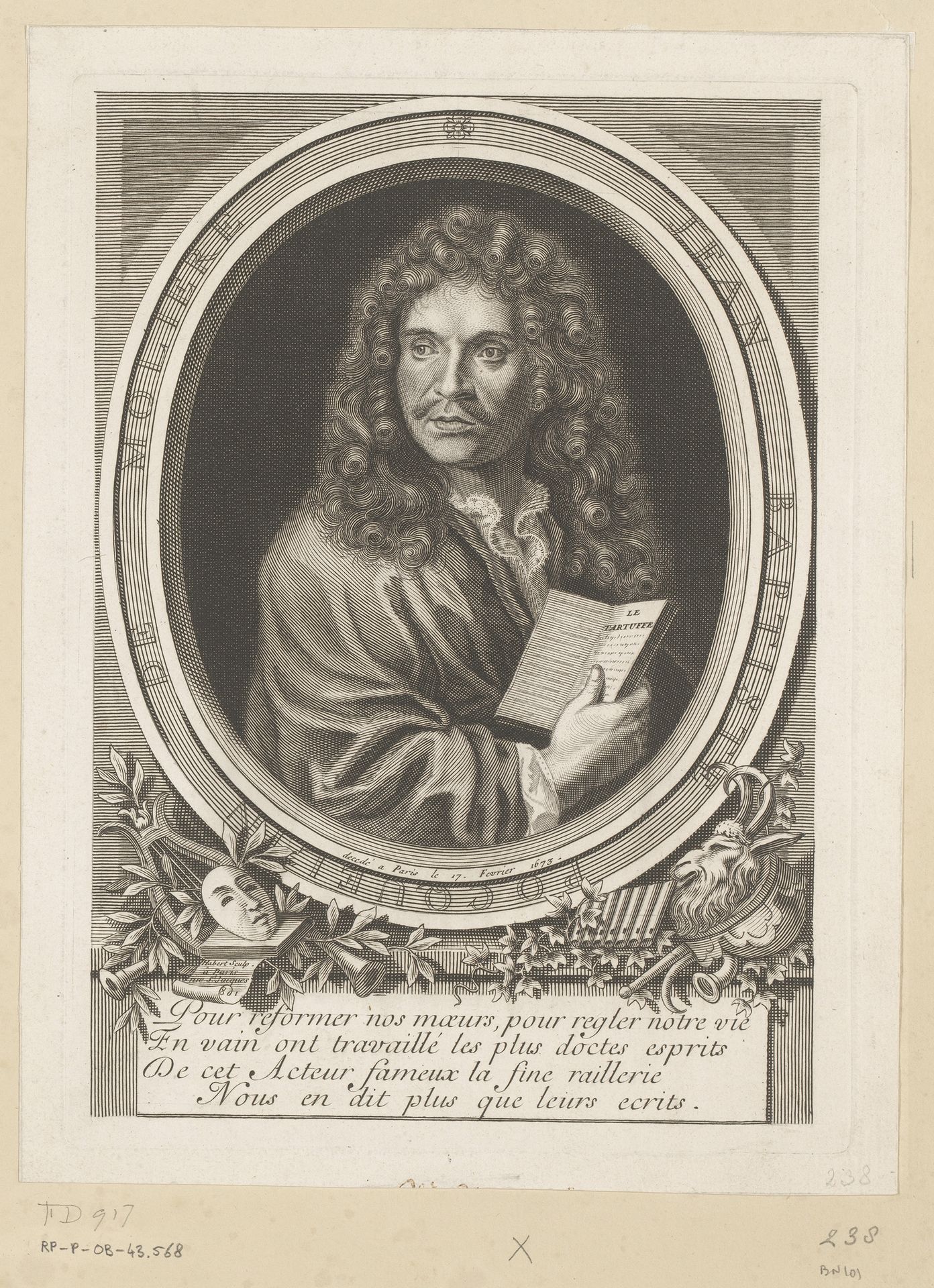
This print of Jean Baptiste Poquelin Molière was made in the late 17th or early 18th century by Nicolas Habert. It is an etching on paper, a technique that involves drawing an image into a wax ground on a metal plate, then immersing the plate in acid. The acid bites away the exposed lines, which are then inked and printed. The dense network of lines in this print shows the skill involved in controlling the etching process. Notice how the varying depths and densities of the lines create subtle tonal variations, giving shape to Molière's face and clothing. The formal composition, with its emphasis on line and detail, reflects the prevailing aesthetic of the time, while the printed format suggests the rise of a broader market for images. The labor-intensive nature of etching, involving careful planning and execution, contrasts with the mass-produced quality of the final print. This tension between handcraft and industrial production is central to understanding the social context of this image, which brings the world of the theatre directly into the hands of viewers. By appreciating these aspects, we can understand the full meaning of this artwork, challenging traditional distinctions between fine art and craft.
Portret van Jean Baptiste Poquelin Molière
1660 - 1715

Nicolas Habert
1650 - 1715Location
RijksmuseumArtwork details
- Medium
- print, engraving
- Dimensions
- height 259 mm, width 191 mm
- Location
- Rijksmuseum
- Copyright
- Rijks Museum: Open Domain
Tags
Comments
Share your thoughts
About this artwork
This print of Jean Baptiste Poquelin Molière was made in the late 17th or early 18th century by Nicolas Habert. It is an etching on paper, a technique that involves drawing an image into a wax ground on a metal plate, then immersing the plate in acid. The acid bites away the exposed lines, which are then inked and printed. The dense network of lines in this print shows the skill involved in controlling the etching process. Notice how the varying depths and densities of the lines create subtle tonal variations, giving shape to Molière's face and clothing. The formal composition, with its emphasis on line and detail, reflects the prevailing aesthetic of the time, while the printed format suggests the rise of a broader market for images. The labor-intensive nature of etching, involving careful planning and execution, contrasts with the mass-produced quality of the final print. This tension between handcraft and industrial production is central to understanding the social context of this image, which brings the world of the theatre directly into the hands of viewers. By appreciating these aspects, we can understand the full meaning of this artwork, challenging traditional distinctions between fine art and craft.
Comments
Share your thoughts