About this artwork
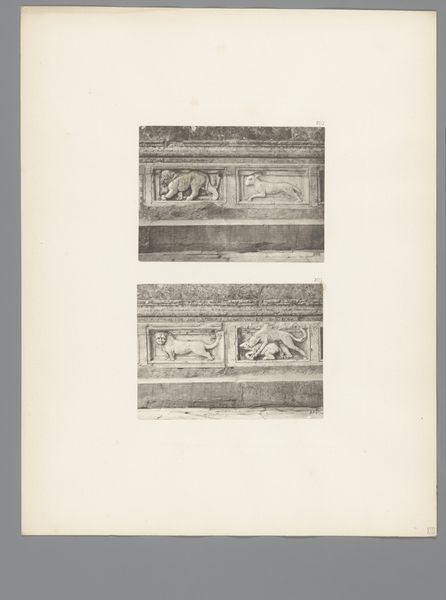
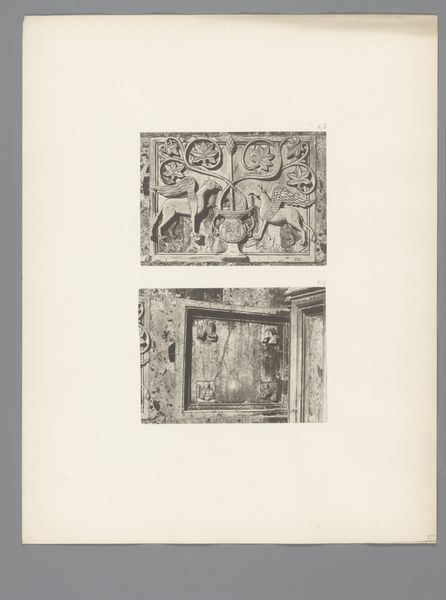
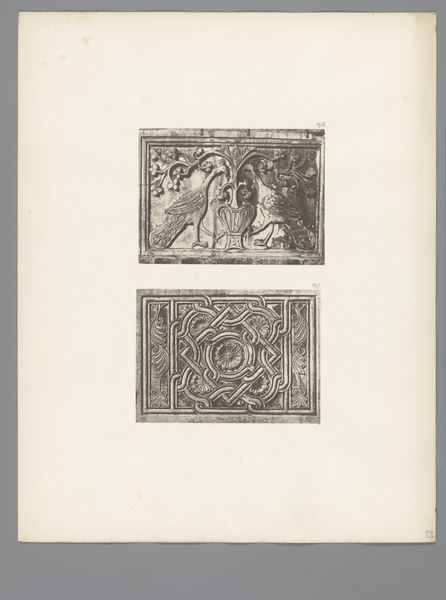
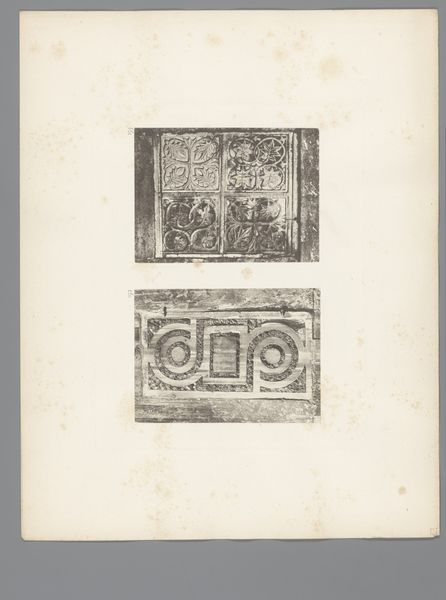
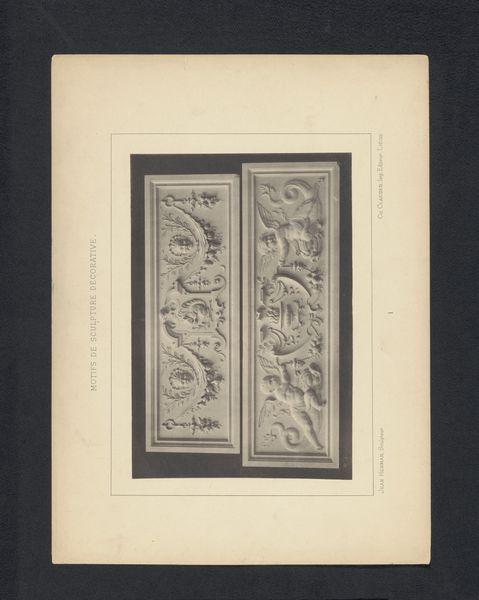
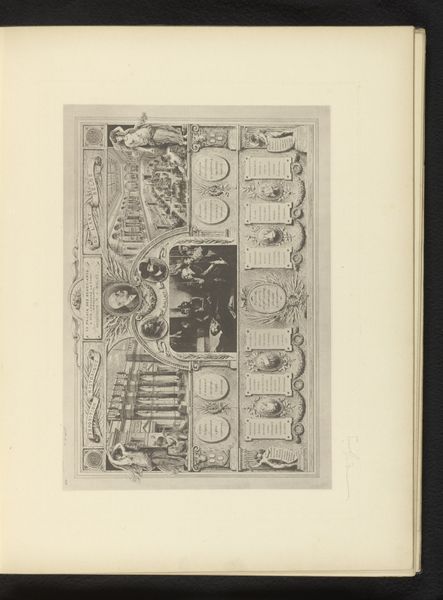
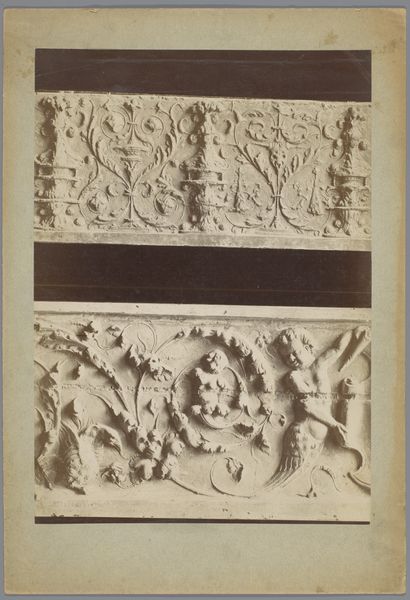
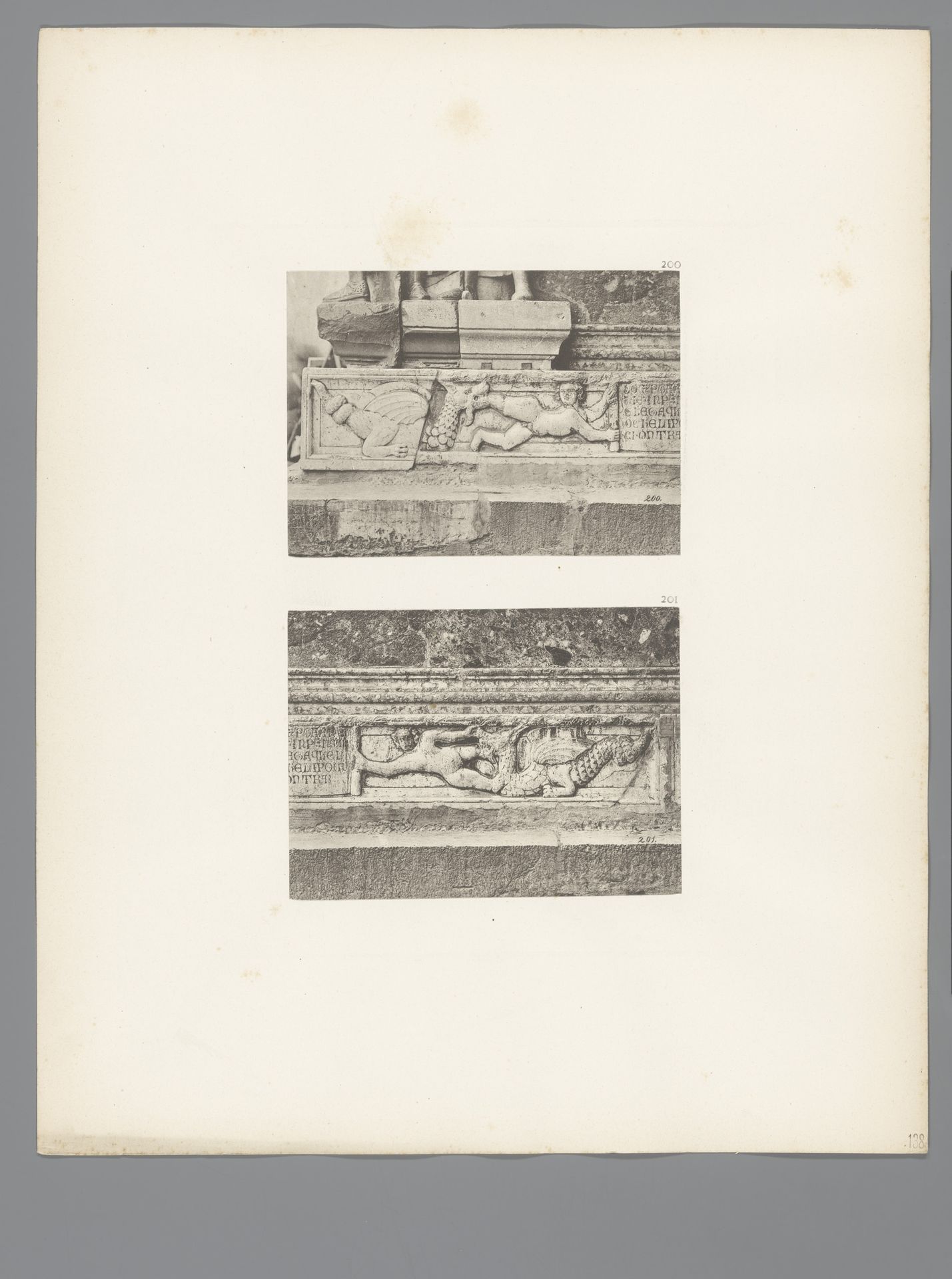
This albumen print of exterior details of San Marco in Venice was made by Carl Heinrich Jacobi in the 19th century. It depicts carved reliefs with dragons and other fantastical creatures, revealing the symbolic language of power and authority that the Venetian Republic employed in its public architecture. Venice, as a wealthy maritime republic, was keen to project power through its artistic patronage. San Marco, the city's main church, became a showcase for its wealth and international connections. Dragons, griffins, and other hybrid creatures were popular motifs derived from Byzantine and Islamic art, reflecting the city’s central position as a trading hub between East and West. The reliefs on San Marco embody Venice’s self-image as a cosmopolitan, divinely sanctioned power. To understand this image further, we could consult Venetian archives, studies of Byzantine art, and histories of Venice’s artistic patronage. This would help us understand the image as a visual representation of Venice's unique social and institutional history.
Twee details met draken van het exterieur van de San Marco in Venetië
before 1884

Artwork details
- Medium
- print, relief, paper, photography, gelatin-silver-print
- Dimensions
- height 394 mm, width 313 mm
- Copyright
- Rijks Museum: Open Domain
Tags
Comments
Share your thoughts
About this artwork
This albumen print of exterior details of San Marco in Venice was made by Carl Heinrich Jacobi in the 19th century. It depicts carved reliefs with dragons and other fantastical creatures, revealing the symbolic language of power and authority that the Venetian Republic employed in its public architecture. Venice, as a wealthy maritime republic, was keen to project power through its artistic patronage. San Marco, the city's main church, became a showcase for its wealth and international connections. Dragons, griffins, and other hybrid creatures were popular motifs derived from Byzantine and Islamic art, reflecting the city’s central position as a trading hub between East and West. The reliefs on San Marco embody Venice’s self-image as a cosmopolitan, divinely sanctioned power. To understand this image further, we could consult Venetian archives, studies of Byzantine art, and histories of Venice’s artistic patronage. This would help us understand the image as a visual representation of Venice's unique social and institutional history.
Comments
Share your thoughts