1840 - 1905
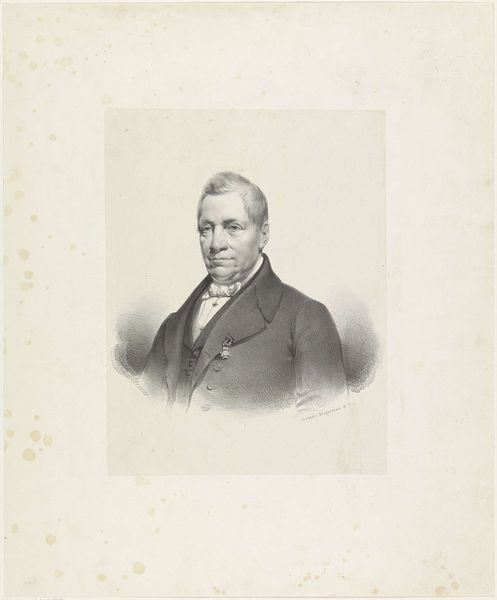
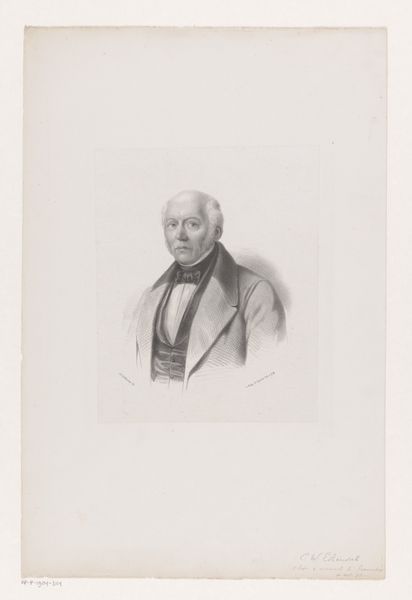
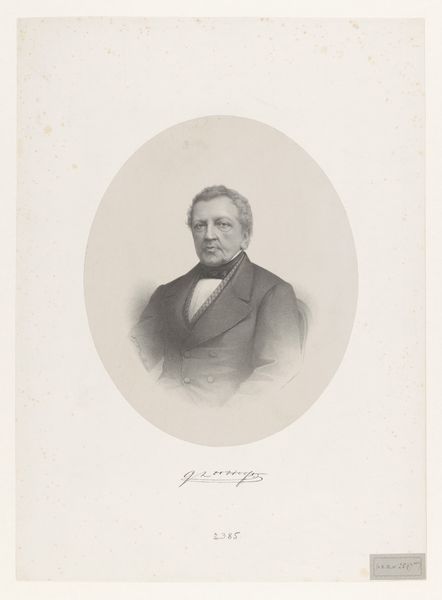
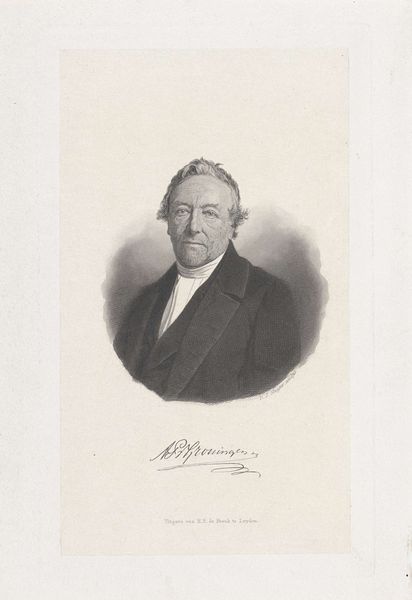
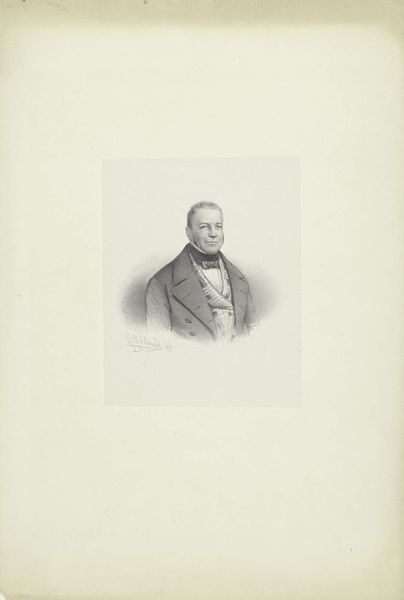
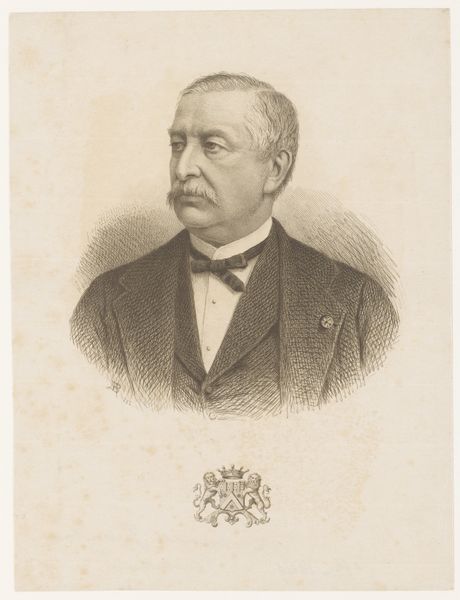
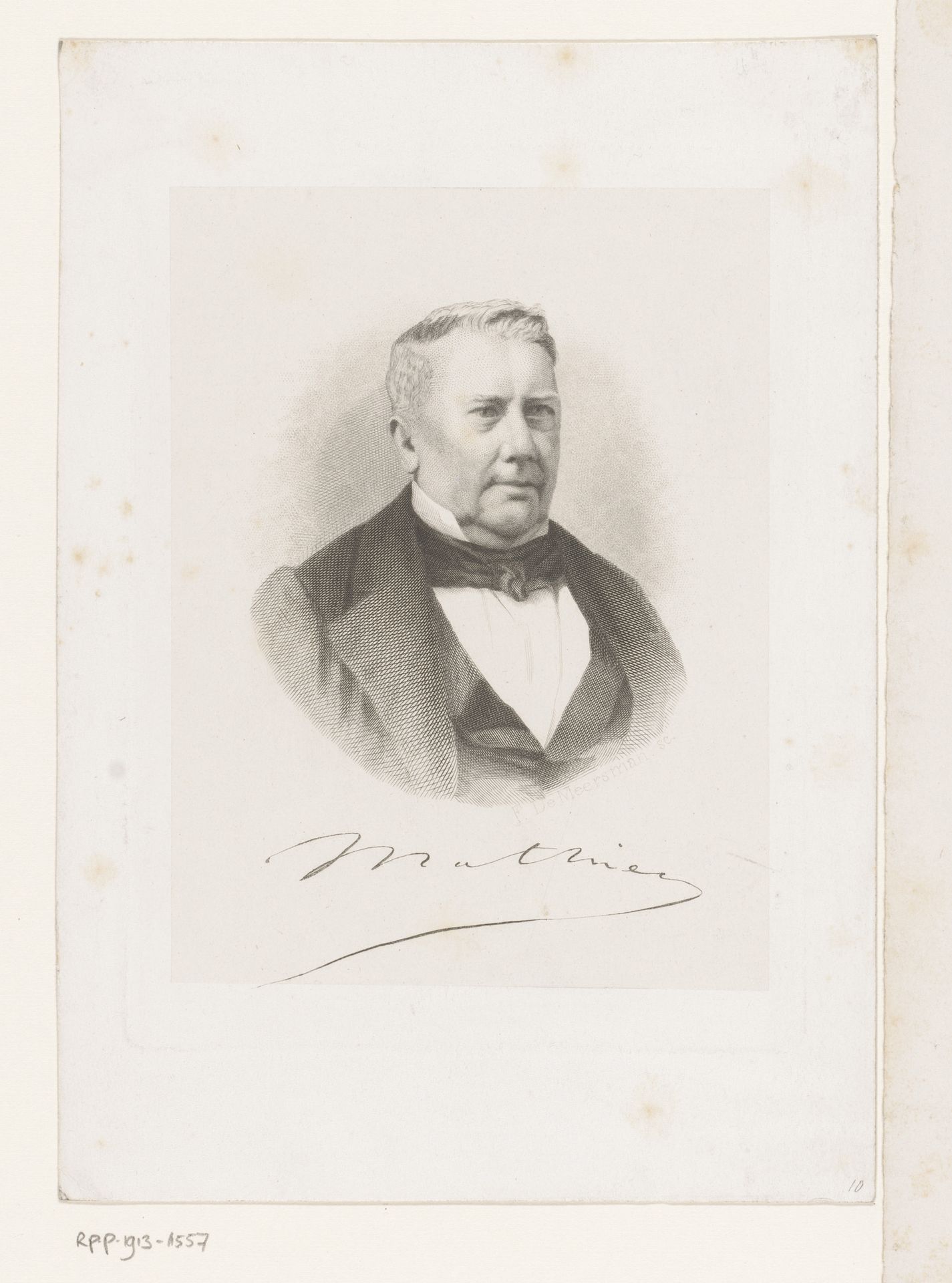
Portret van Mathieu

Listen to curator's interpretation
Curatorial notes
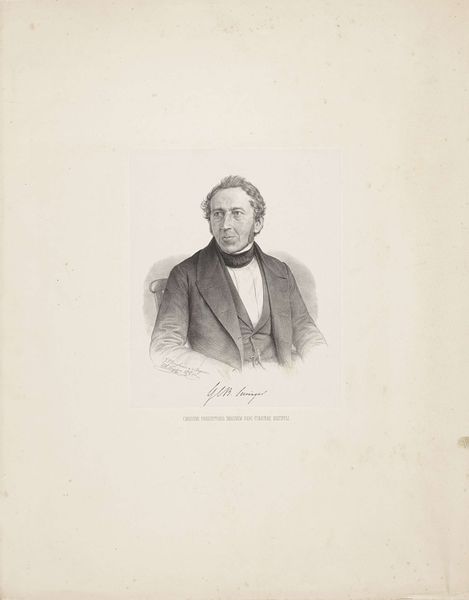
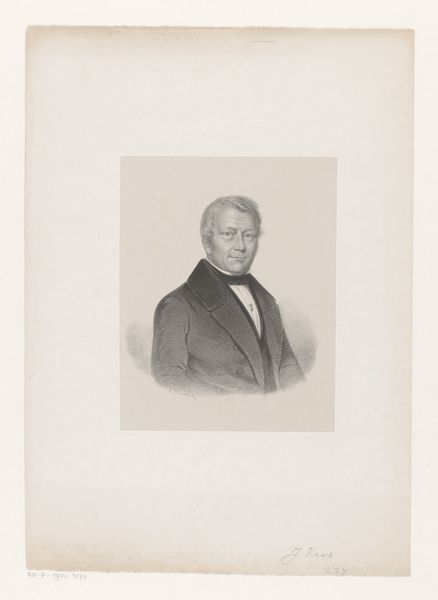
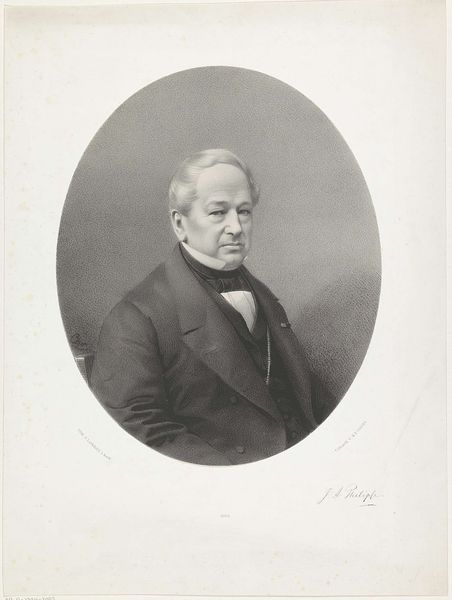
François de Meersman created this portrait of Mathieu using burin. De Meersman, working in the 19th century, lived in a time of burgeoning industrialization and shifting social structures, and his work reflected the values and concerns of the Belgian middle class. As the Industrial Revolution progressed, the emerging bourgeoisie sought ways to affirm their status and project an image of respectability. Portraiture became a popular means of doing so, and artists like De Meersman catered to this demand. However, this representation can be understood in relation to the lives of those who were excluded. While the wealthy had the means to commission portraits, working-class individuals often struggled to survive. The careful rendering of Mathieu's features and clothing speaks to the sitter's status, but also prompts reflection on the broader social and economic landscape. It is a snapshot of a particular moment in time, inviting us to consider the complex interplay of identity, representation, and power.