1576 - 1596
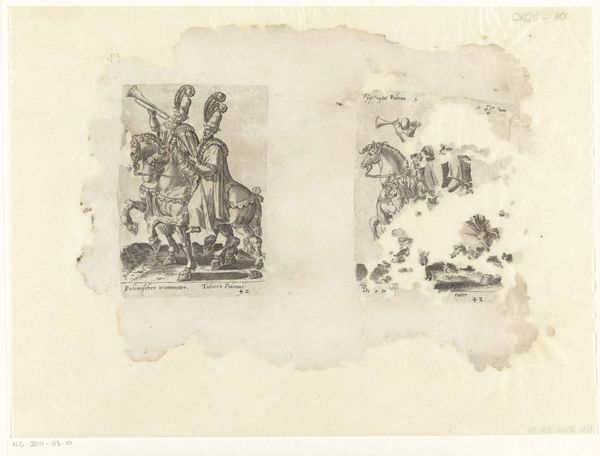
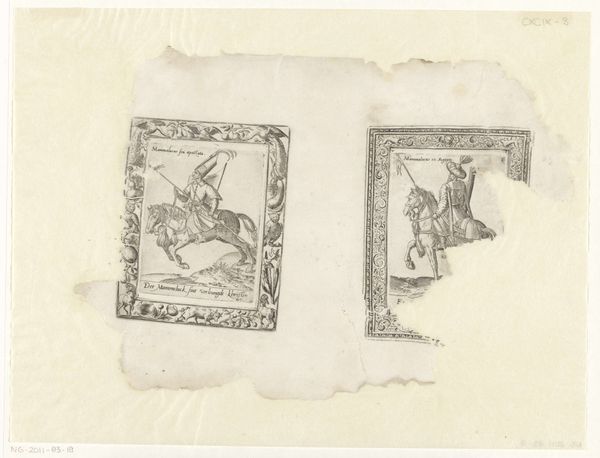
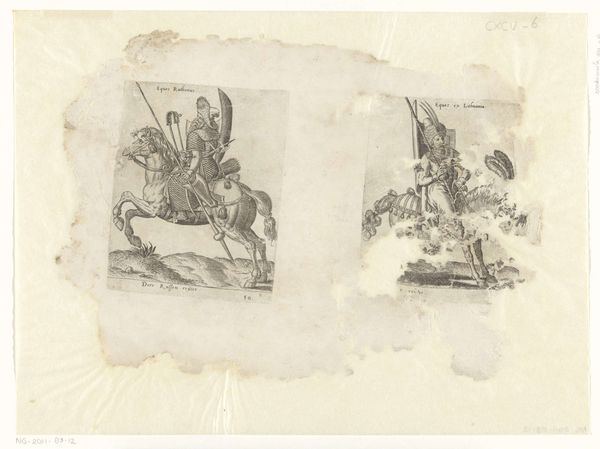
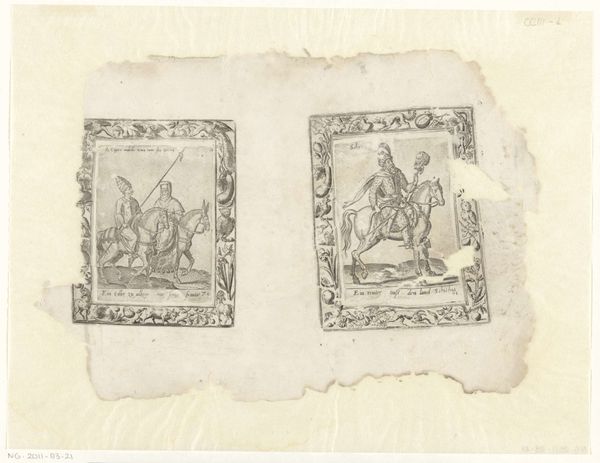
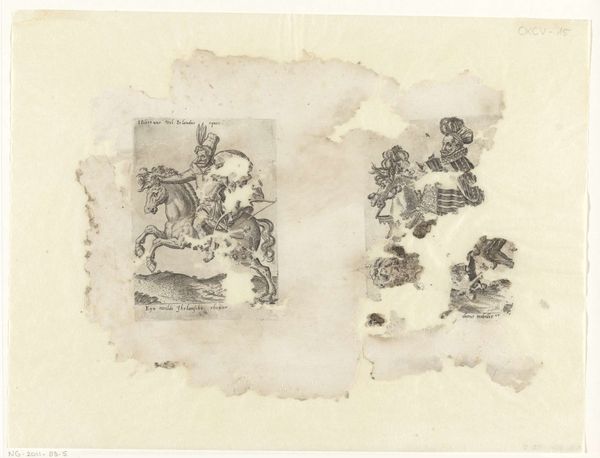
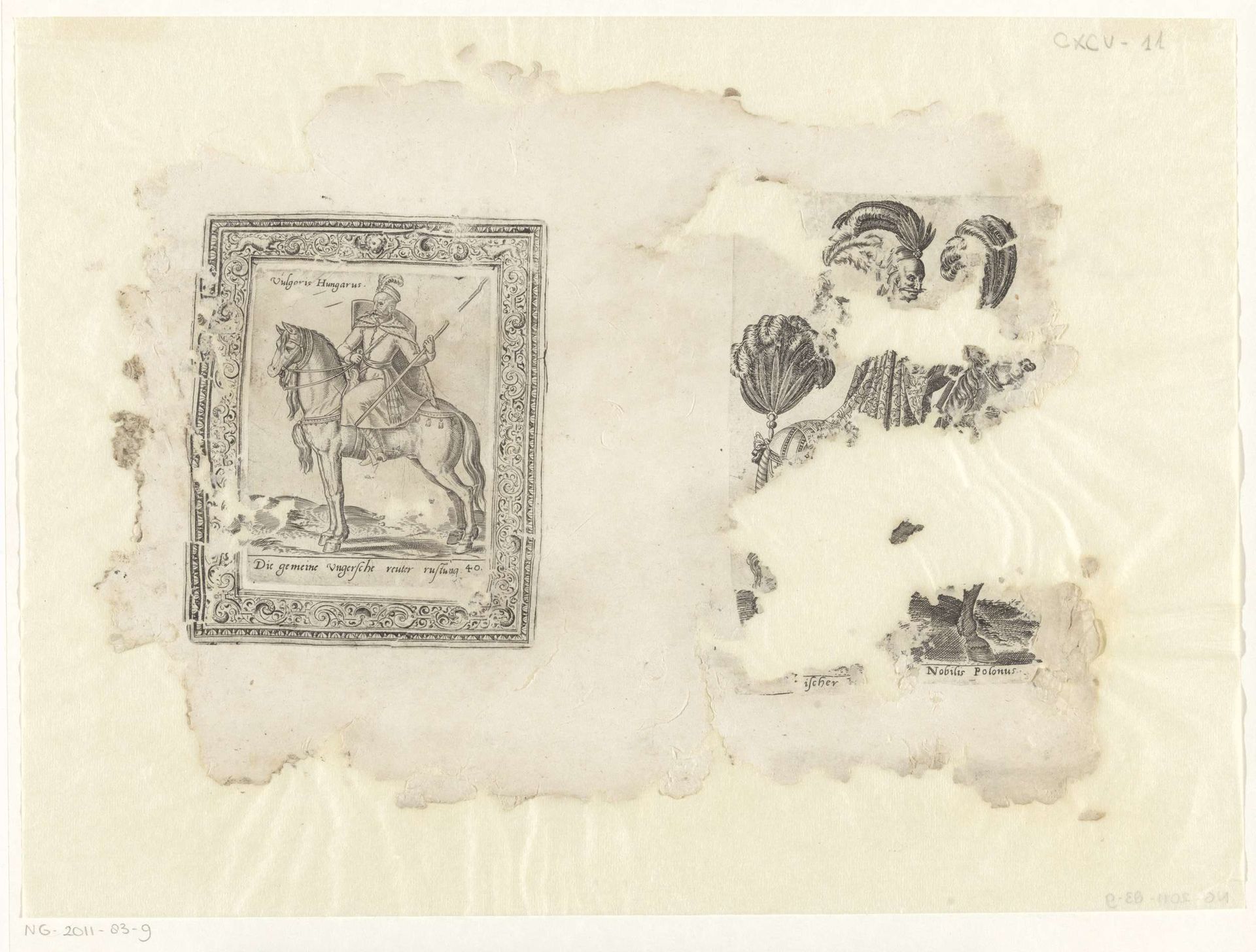
Hongaarse ruiter en Poolse jonker

Abraham de Bruyn
1540 - 1587Location
RijksmuseumListen to curator's interpretation
Curatorial notes
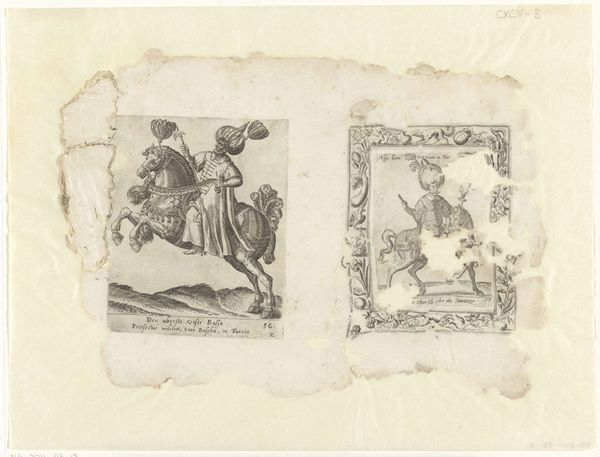
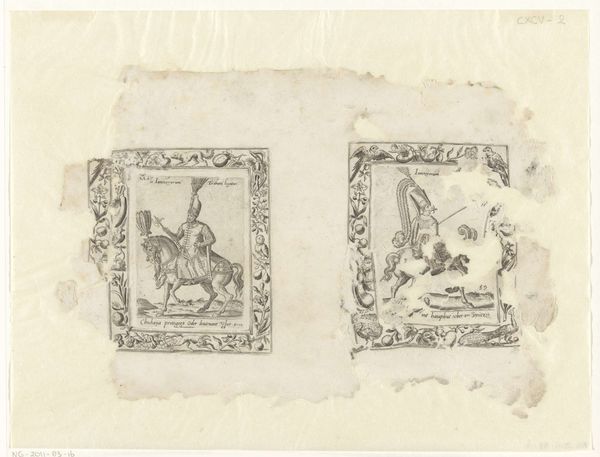
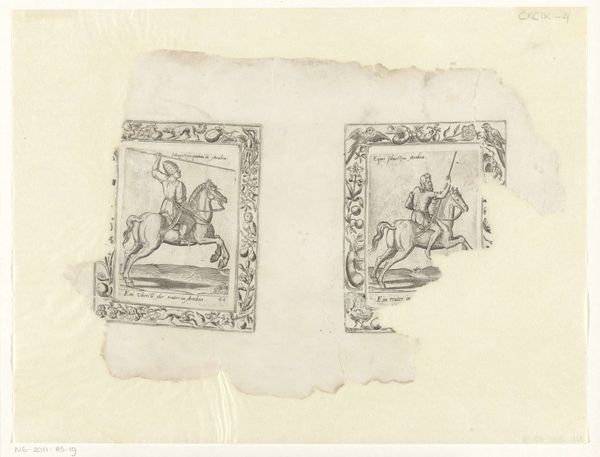
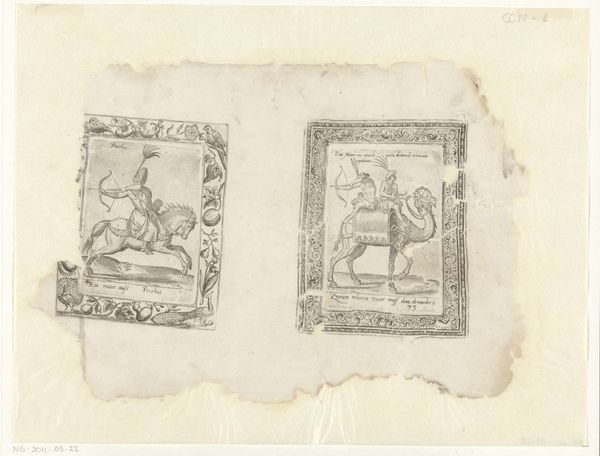
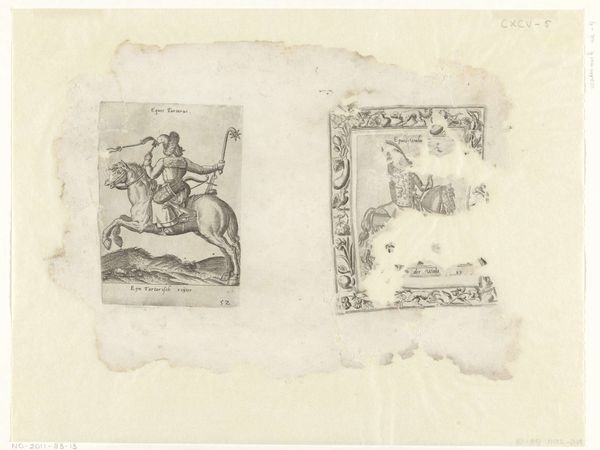
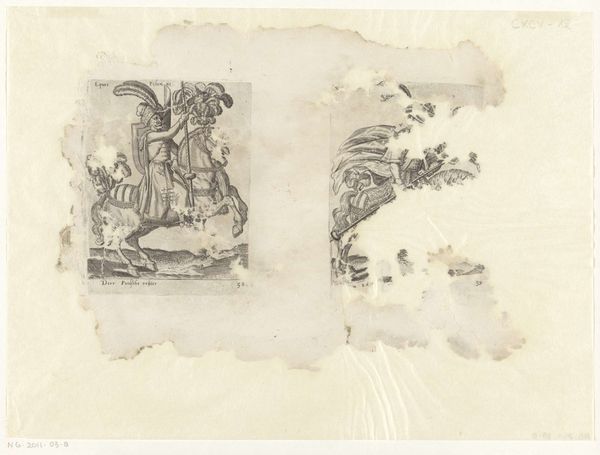
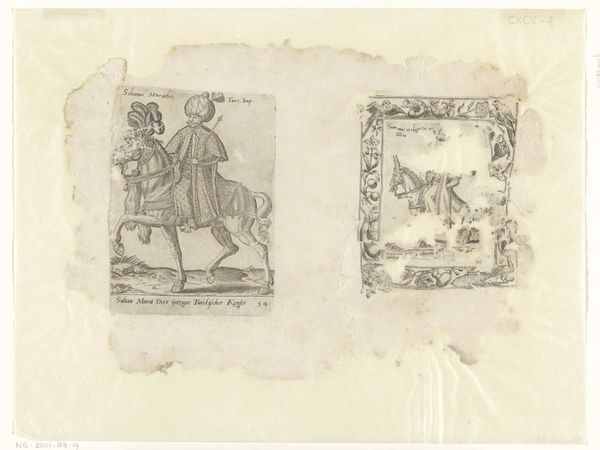
Abraham de Bruyn made this print, "Hungarian Rider and Polish Nobleman," sometime before his death in 1587. The image encapsulates the fascination with Eastern European cultures that permeated the artistic circles of the Low Countries during the 16th century. De Bruyn's work isn't just a snapshot of cultural curiosity; it's deeply embedded in the social fabric of his time. The print was produced in the context of increased trade and diplomatic relations between the Netherlands and Eastern European countries. Note how the artist uses specific visual codes to represent the "Hungarian Rider" and "Polish Nobleman," drawing on the exoticism and perceived otherness of these cultures. To truly understand this artwork, one must consider the broader historical context of the 16th century, including research into fashion, trade routes, and diplomatic exchanges. The Rijksmuseum's archives, along with historical society records, provide an invaluable resource for those of us seeking to decode the social and institutional meanings embedded within the artwork.