About this artwork
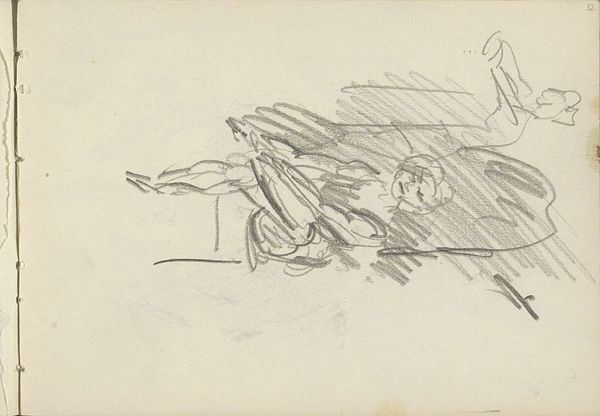
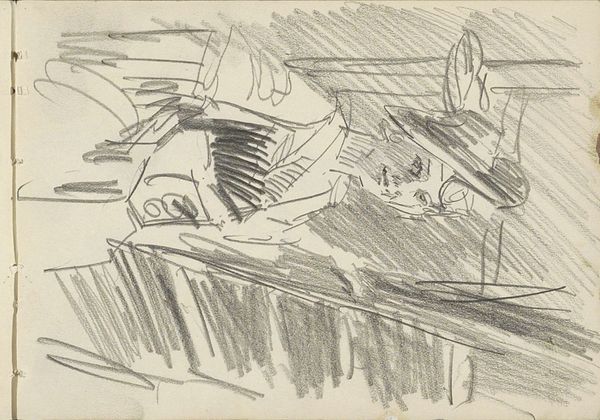
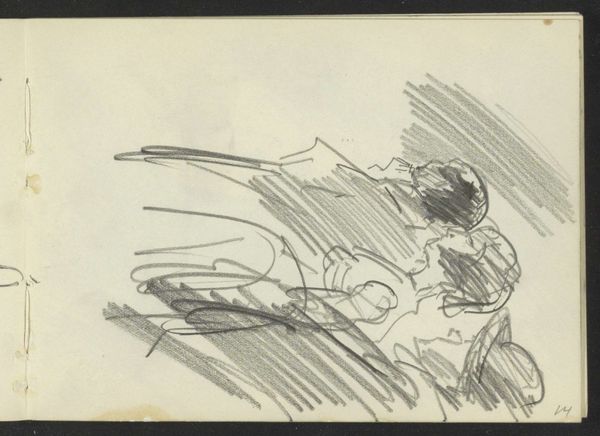
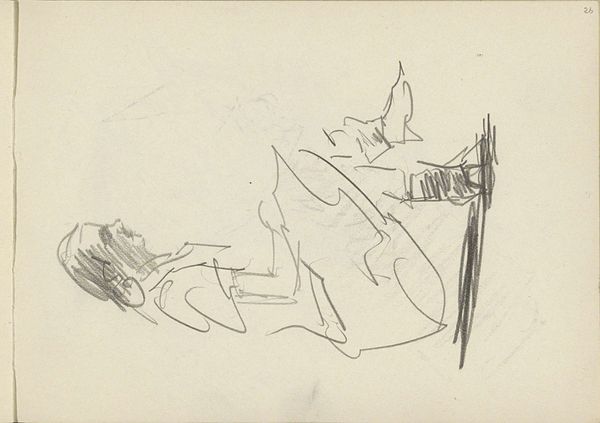
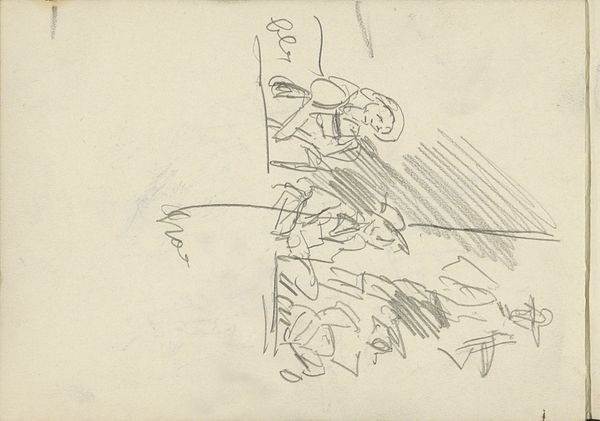
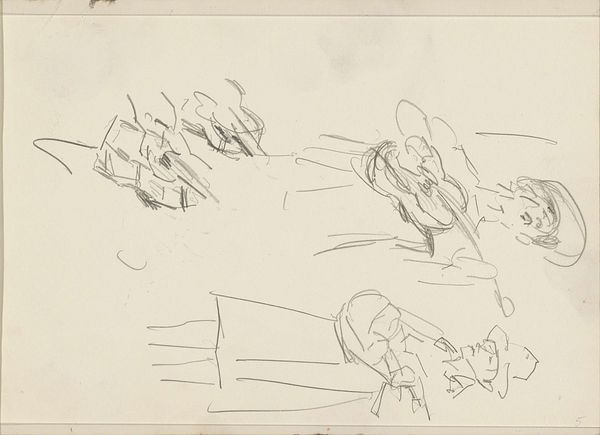
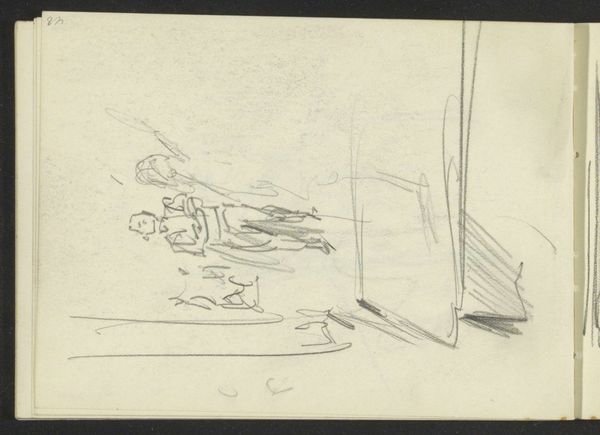
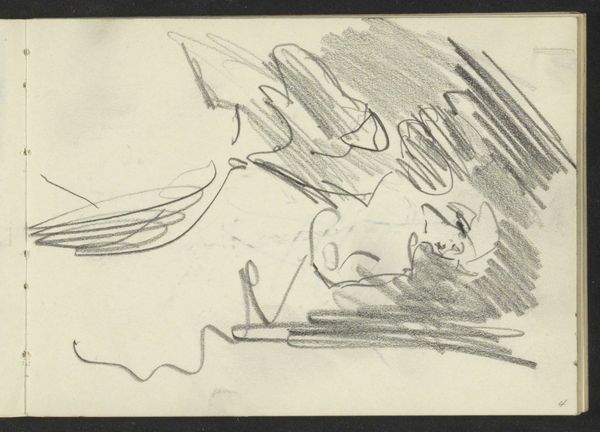
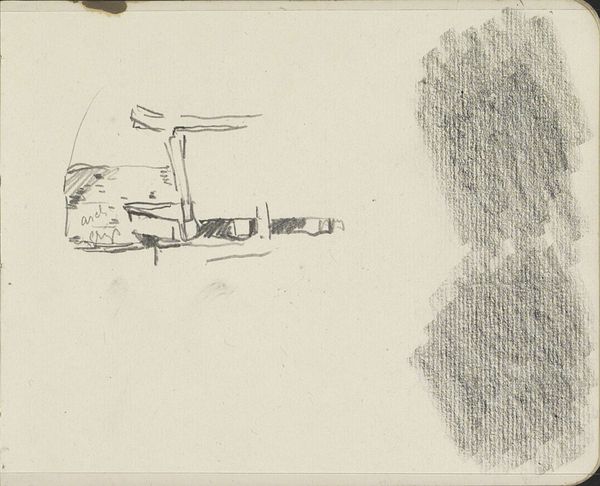
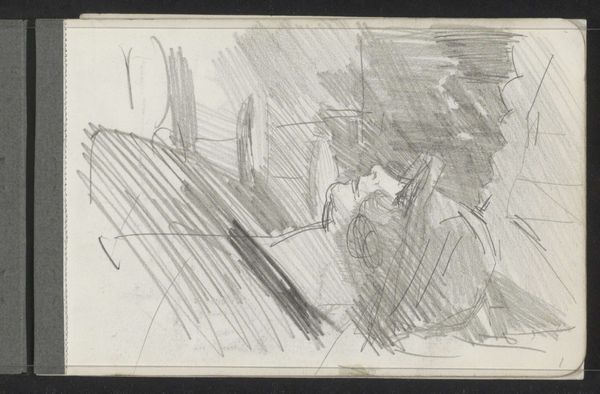
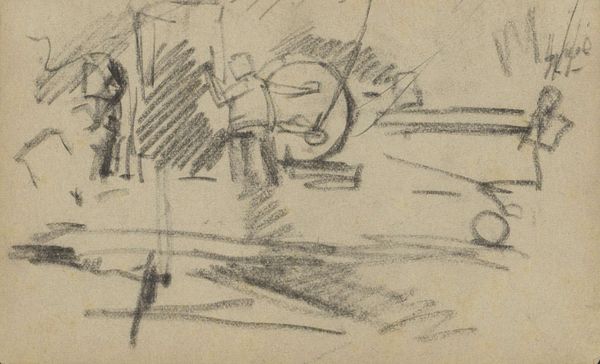
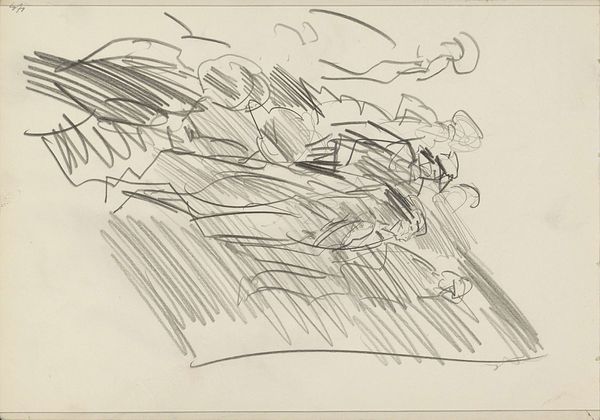
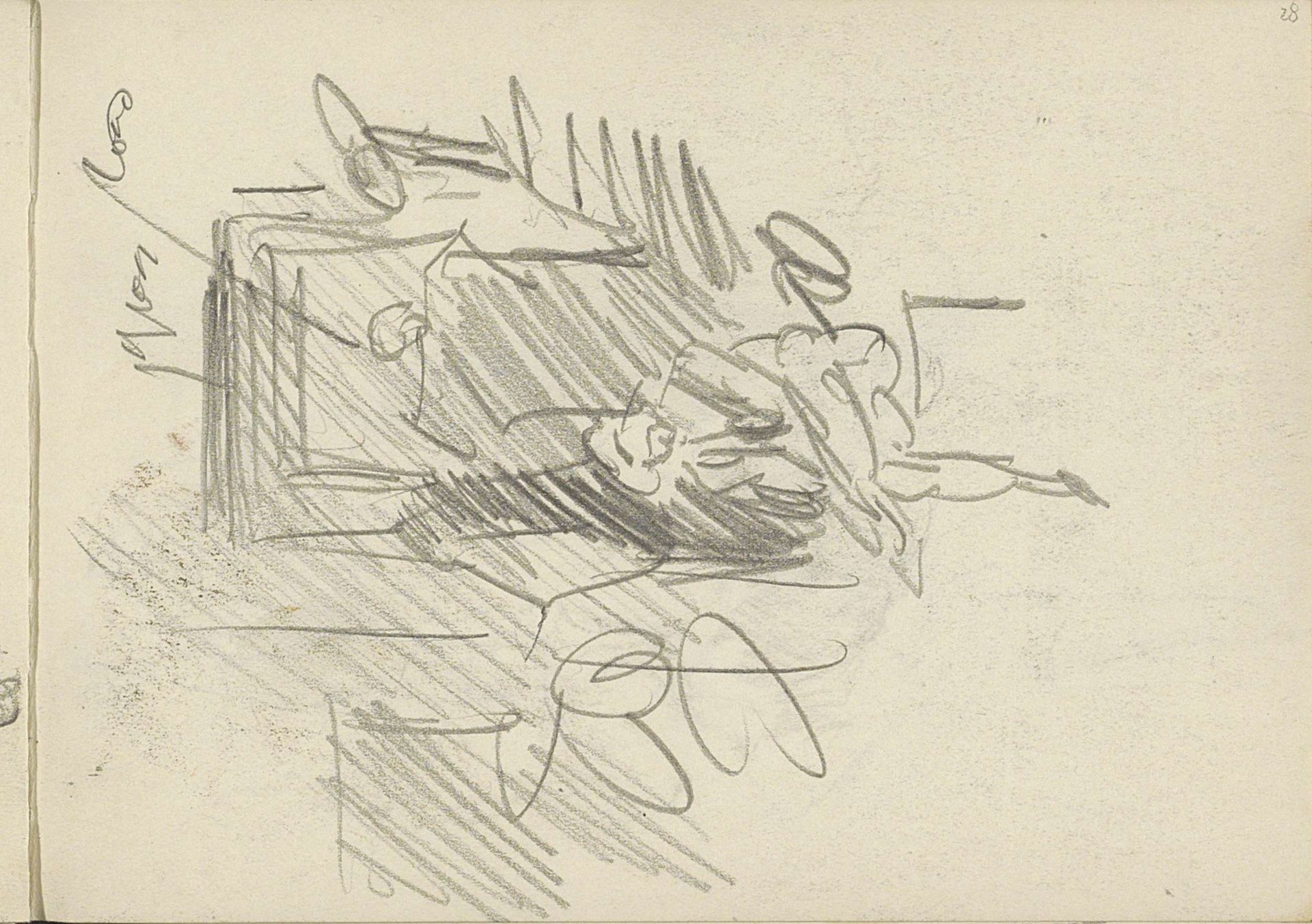
Isaac Israels created this drawing on paper titled "Zittende figuur, mogelijk een artiest," or "Seated Figure, possibly an Artist." The sketch is composed of a network of lines, where the density and direction suggest form and shadow. Notice how Israels uses a variety of strokes, from short, quick marks to longer, flowing lines, to capture the essence of the figure and its surroundings. The angular lines that define the table contrast with the curvilinear marks that delineate the figure, creating a dynamic tension within the composition. The lack of detail invites the viewer to complete the image, engaging with the artist's process of observation and reduction. This approach reflects the modernist ethos of prioritizing the act of seeing and representing over meticulous reproduction, disrupting traditional notions of representation. The unfinished quality, and the focus on formal elements, invite continuous re-interpretation.
Zittende figuur, mogelijk een artiest
c. 1930 - 1934

Isaac Israels
1865 - 1934Location
RijksmuseumArtwork details
- Location
- Rijksmuseum
- Copyright
- Rijks Museum: Open Domain
Comments
Share your thoughts
About this artwork
Isaac Israels created this drawing on paper titled "Zittende figuur, mogelijk een artiest," or "Seated Figure, possibly an Artist." The sketch is composed of a network of lines, where the density and direction suggest form and shadow. Notice how Israels uses a variety of strokes, from short, quick marks to longer, flowing lines, to capture the essence of the figure and its surroundings. The angular lines that define the table contrast with the curvilinear marks that delineate the figure, creating a dynamic tension within the composition. The lack of detail invites the viewer to complete the image, engaging with the artist's process of observation and reduction. This approach reflects the modernist ethos of prioritizing the act of seeing and representing over meticulous reproduction, disrupting traditional notions of representation. The unfinished quality, and the focus on formal elements, invite continuous re-interpretation.
Comments
Share your thoughts