About this artwork
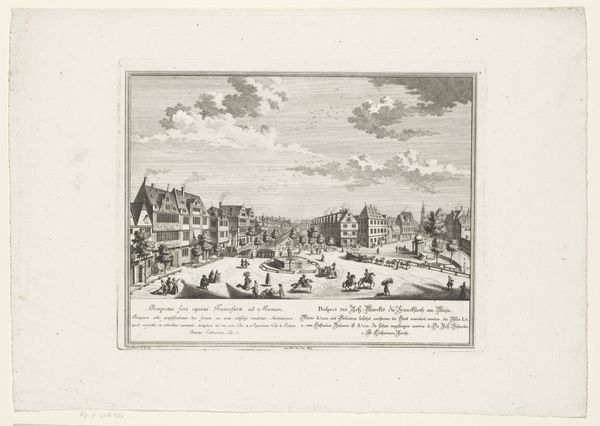
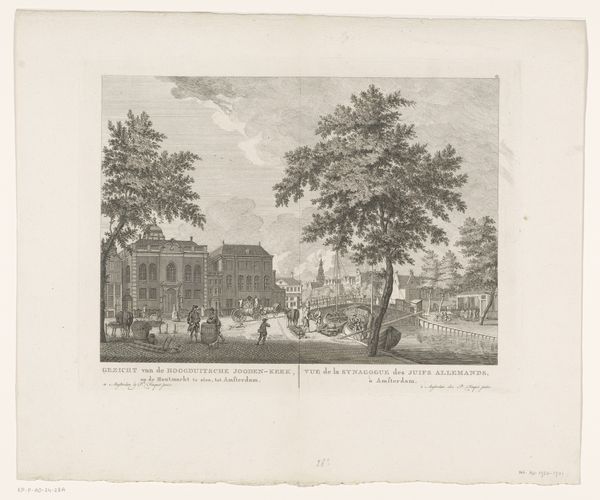
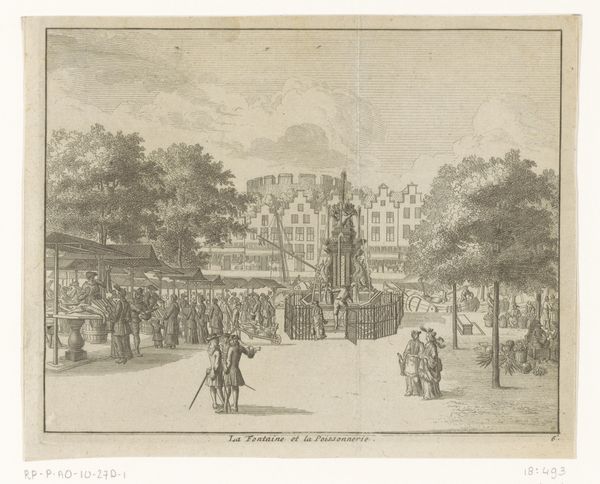
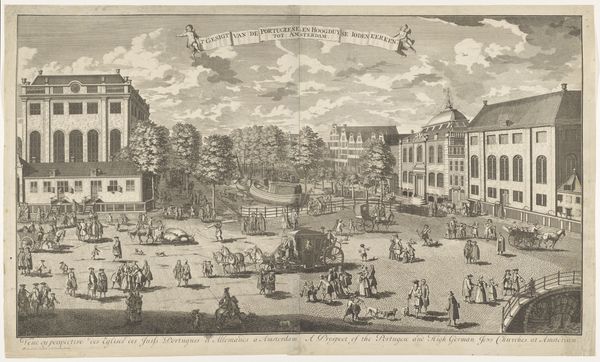
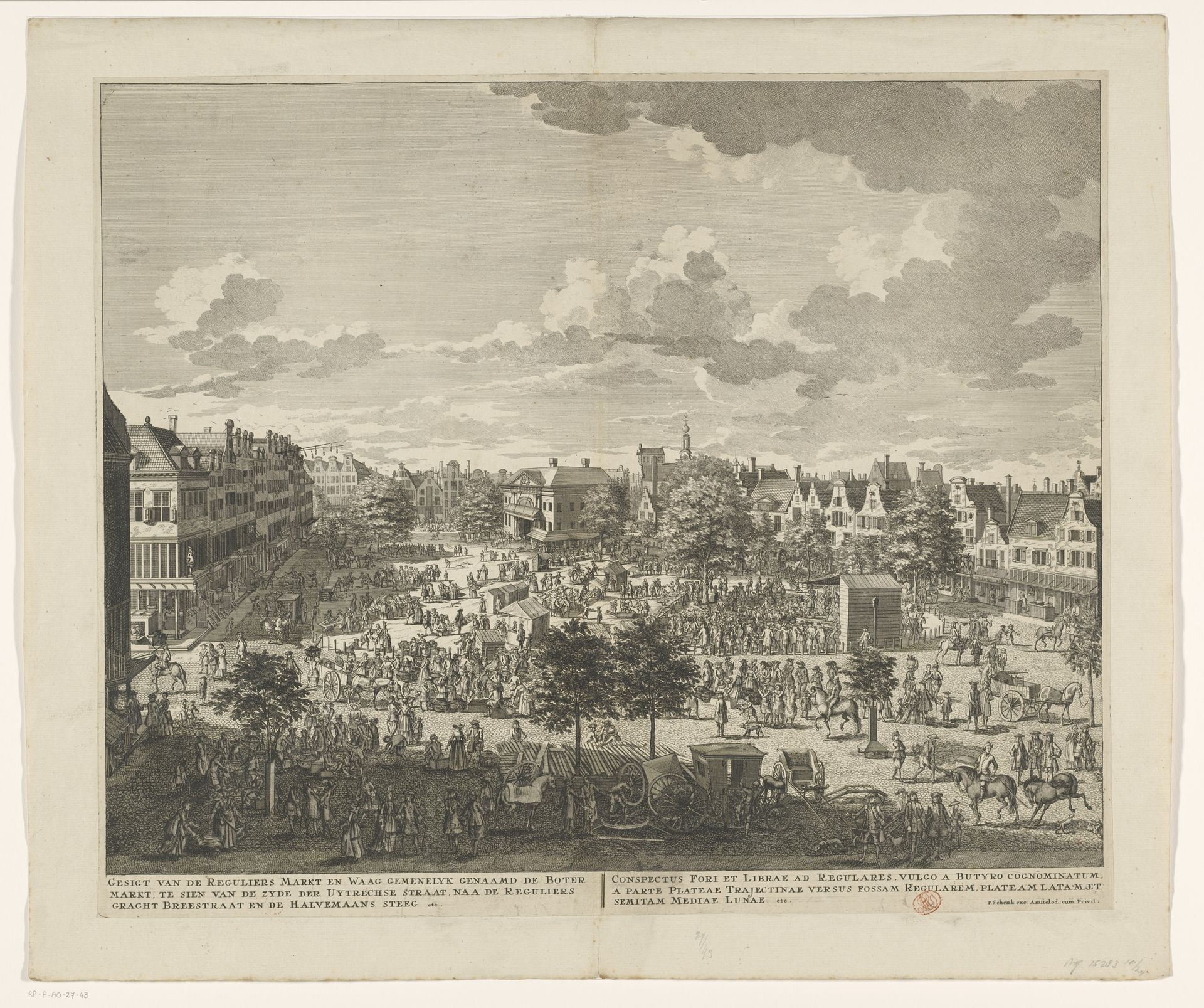
This print shows a bustling Amsterdam butter market, made with etching and engraving techniques. Look closely, and you'll notice the level of detail the artist achieved, using the sharp lines of the engraver's tool to define every figure. Prints like this one were produced using relatively cheap materials, and could be widely circulated. They offered a glimpse into the everyday life of the city, depicting commerce and activity within the market. The image is full of details related to labor: vendors selling their goods, people moving goods to and fro, and a sense of the collective effort that went into sustaining the city. It is fascinating to consider how an image like this was itself a product of labor: the work of the artist, the printer, and the distributors who brought it to the public. By paying close attention to the material and process, we can see this print not just as a representation, but as an artifact of its time, deeply intertwined with the social and economic realities of Amsterdam.
Gezicht op de Botermarkt (Reguliersmarkt) te Amsterdam
c. 1700 - 1711

Anonymous
@anonymousLocation
RijksmuseumArtwork details
- Medium
- print, engraving
- Dimensions
- height 495 mm, width 598 mm
- Location
- Rijksmuseum
- Copyright
- Rijks Museum: Open Domain
Tags
Comments
Share your thoughts
About this artwork
This print shows a bustling Amsterdam butter market, made with etching and engraving techniques. Look closely, and you'll notice the level of detail the artist achieved, using the sharp lines of the engraver's tool to define every figure. Prints like this one were produced using relatively cheap materials, and could be widely circulated. They offered a glimpse into the everyday life of the city, depicting commerce and activity within the market. The image is full of details related to labor: vendors selling their goods, people moving goods to and fro, and a sense of the collective effort that went into sustaining the city. It is fascinating to consider how an image like this was itself a product of labor: the work of the artist, the printer, and the distributors who brought it to the public. By paying close attention to the material and process, we can see this print not just as a representation, but as an artifact of its time, deeply intertwined with the social and economic realities of Amsterdam.
Comments
Share your thoughts