About this artwork
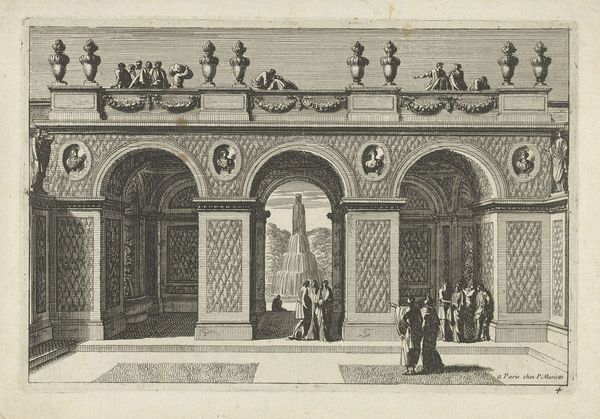
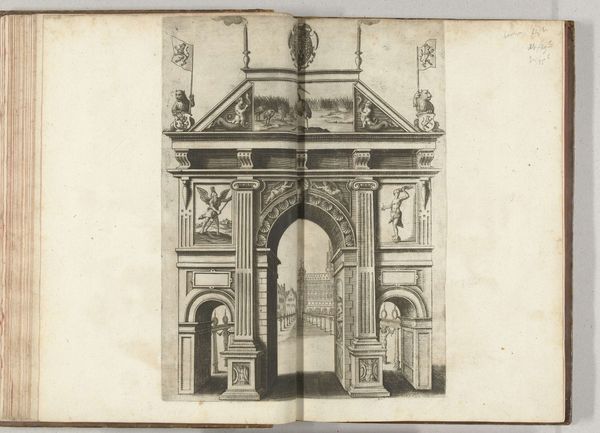
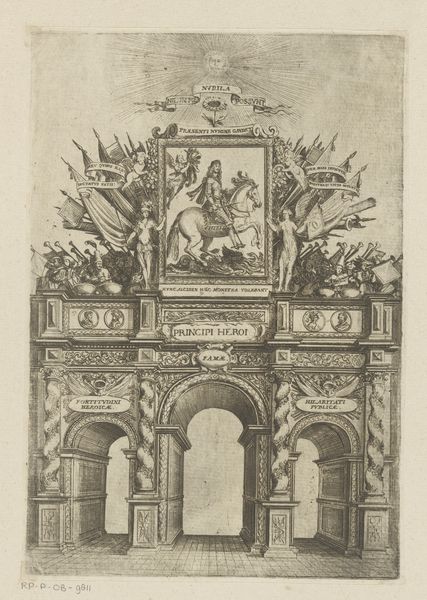
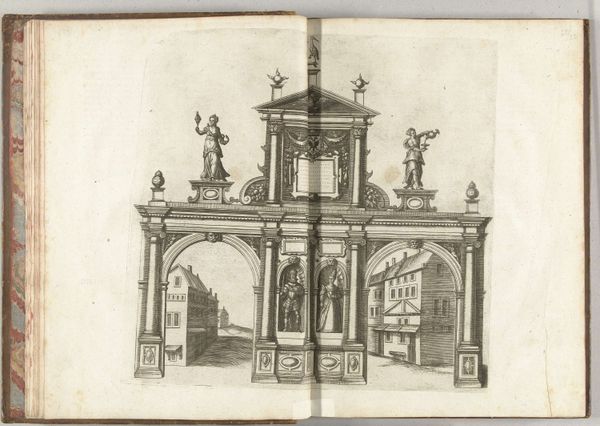
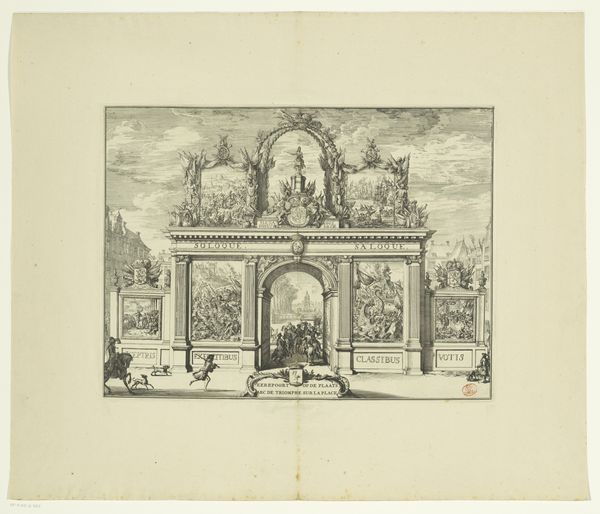
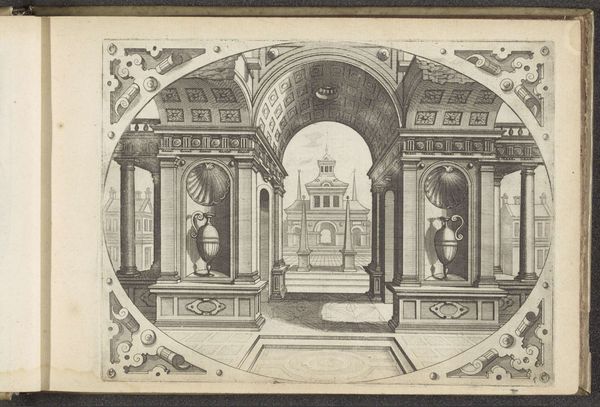
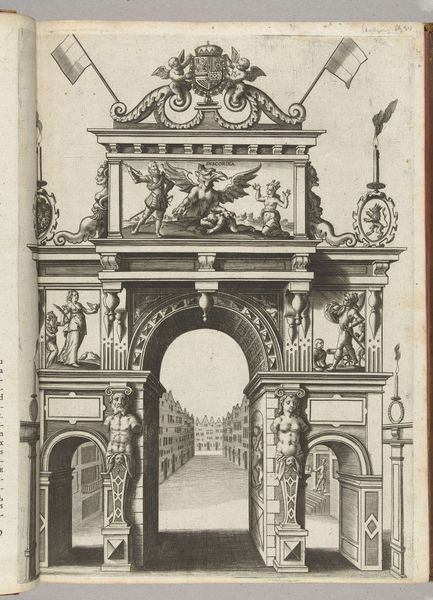
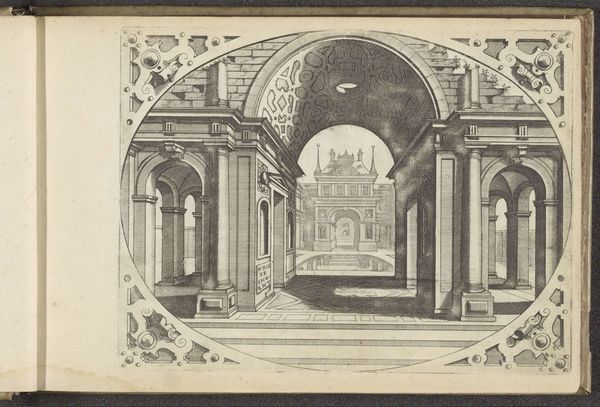
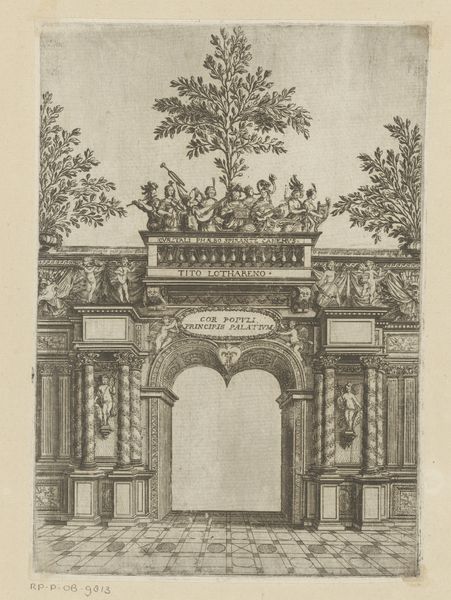
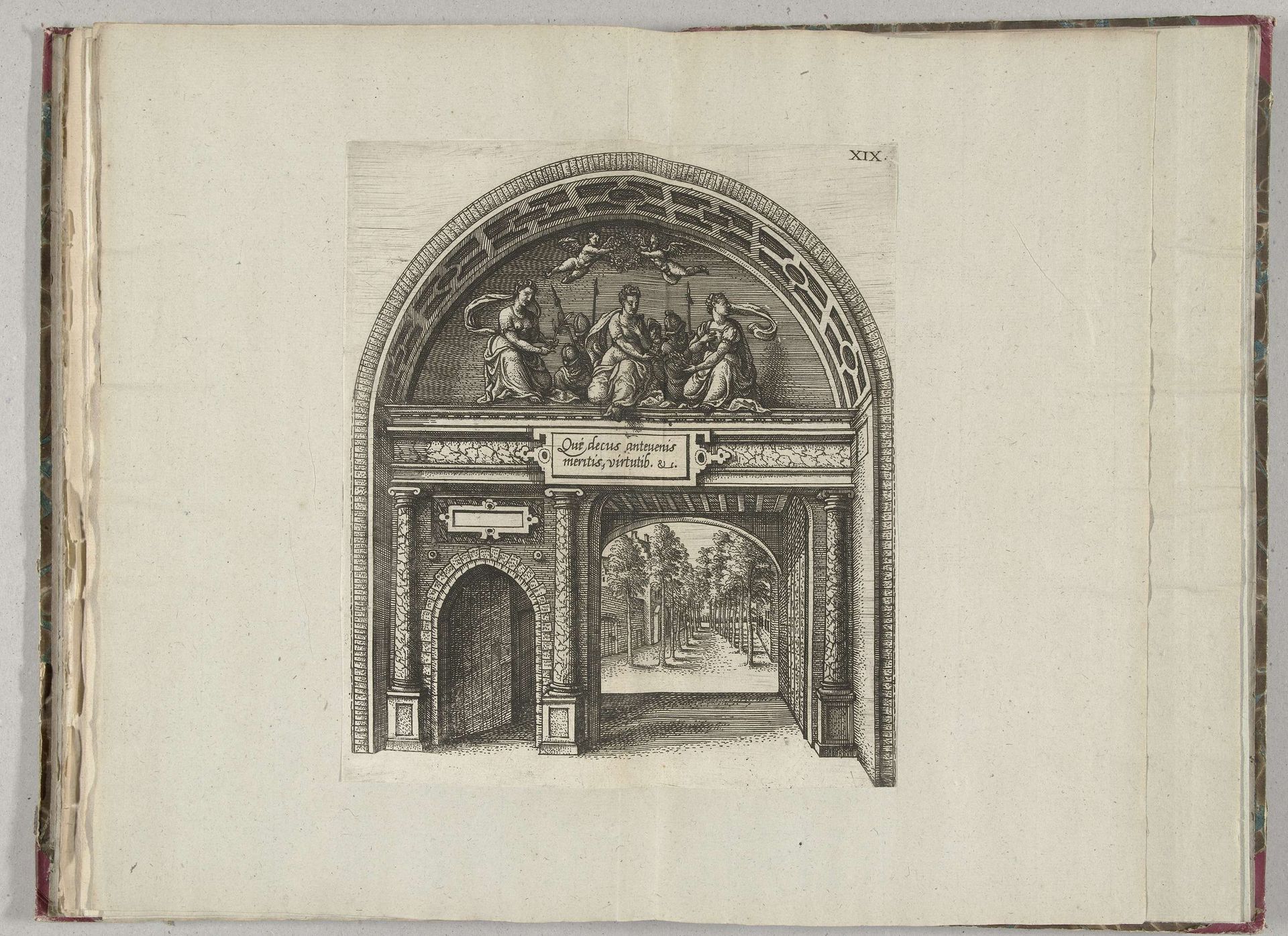
This print, made in 1582 by an anonymous artist, depicts a gateway adorned with the Three Graces before a palace, rendered with delicate lines. The Graces, ageless symbols of beauty, charm, and joy, preside over the entrance. These figures, often depicted nude or lightly draped, have a long lineage stretching back to ancient Greece and Rome. Think of Botticelli's "Primavera," where they dance in a circle, bestowing gifts upon the world. Here, they are poised above the doorway, sentinels of elegance and refinement. The motif of the Three Graces, a symbol of prosperity and beauty, has undergone numerous transformations. Originally goddesses of nature's fertility, they evolved into emblems of social grace and artistic inspiration. Their presence evokes a deep, almost subconscious, longing for harmony and aesthetic pleasure. The image resonates as a testament to the cyclical nature of symbols, forever resurfacing, evolving, and acquiring new layers of meaning across the ages.
Erepoort met de Drie Gratiën voor het paleis, 1582
1582

Anonymous
@anonymousLocation
RijksmuseumArtwork details
- Medium
- print, engraving, architecture
- Dimensions
- height 232 mm, width 200 mm
- Location
- Rijksmuseum
- Copyright
- Rijks Museum: Open Domain
Tags
Comments
Share your thoughts
About this artwork
This print, made in 1582 by an anonymous artist, depicts a gateway adorned with the Three Graces before a palace, rendered with delicate lines. The Graces, ageless symbols of beauty, charm, and joy, preside over the entrance. These figures, often depicted nude or lightly draped, have a long lineage stretching back to ancient Greece and Rome. Think of Botticelli's "Primavera," where they dance in a circle, bestowing gifts upon the world. Here, they are poised above the doorway, sentinels of elegance and refinement. The motif of the Three Graces, a symbol of prosperity and beauty, has undergone numerous transformations. Originally goddesses of nature's fertility, they evolved into emblems of social grace and artistic inspiration. Their presence evokes a deep, almost subconscious, longing for harmony and aesthetic pleasure. The image resonates as a testament to the cyclical nature of symbols, forever resurfacing, evolving, and acquiring new layers of meaning across the ages.
Comments
Share your thoughts