Possibly 1744 - 1749
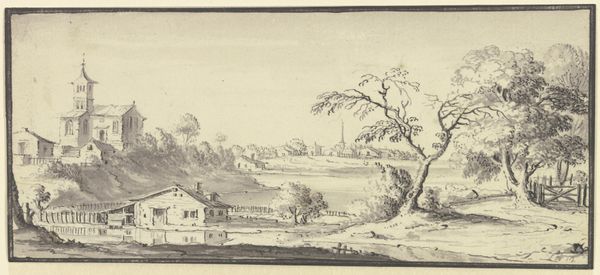
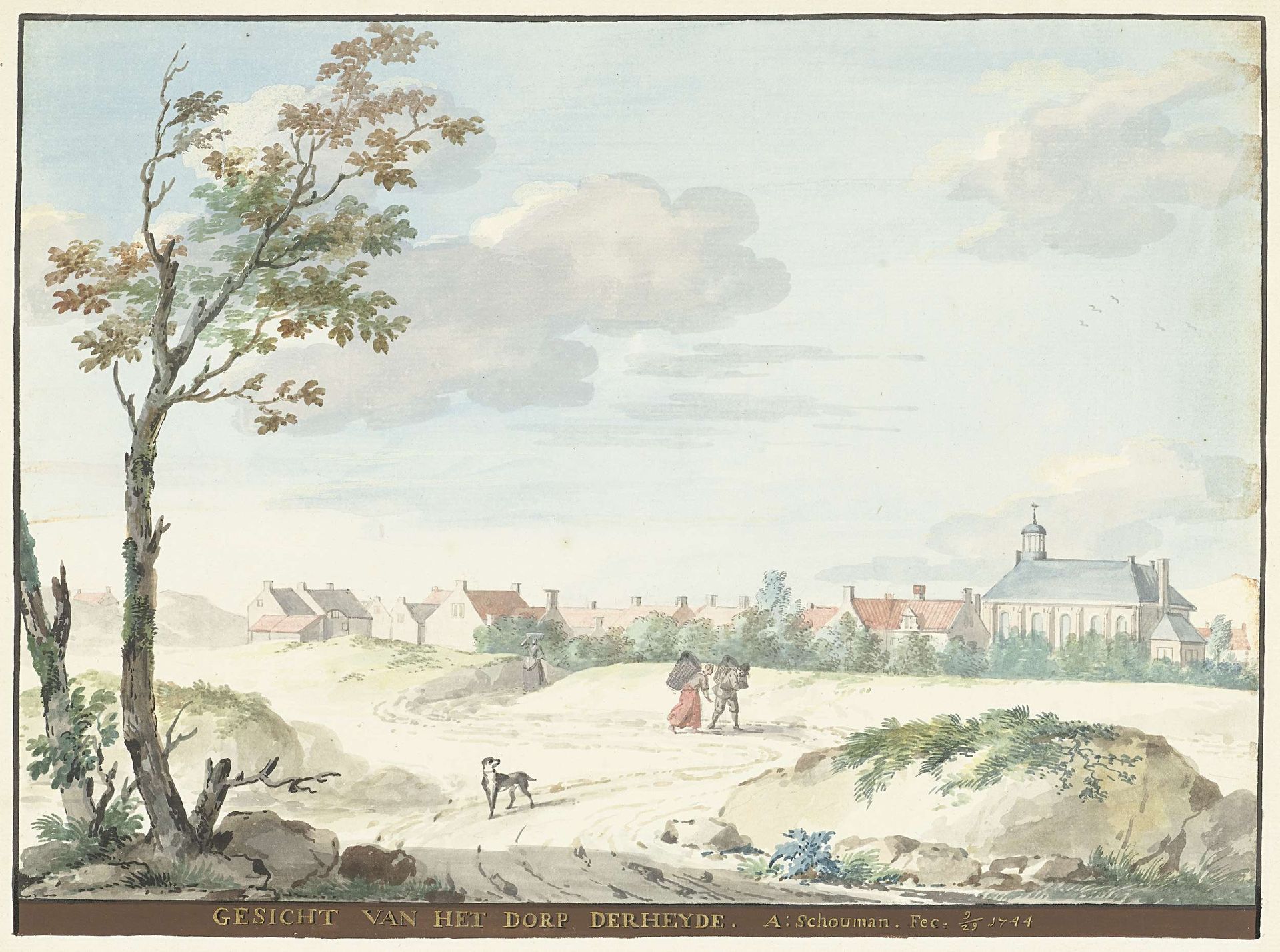
Het dorp Terheijden

Aert Schouman
1710 - 1792Location
RijksmuseumListen to curator's interpretation
Curatorial notes
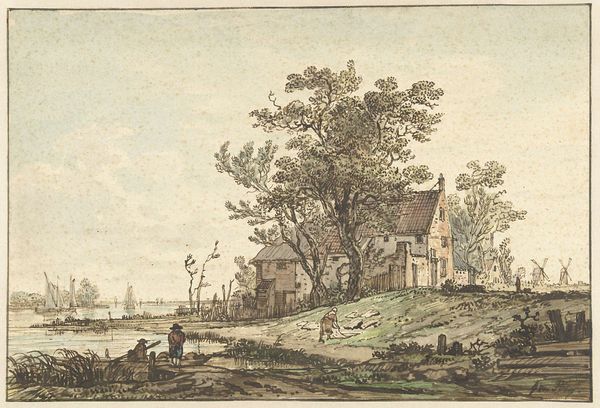
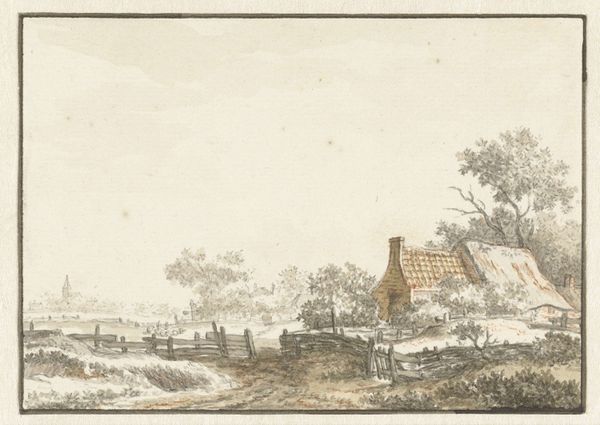
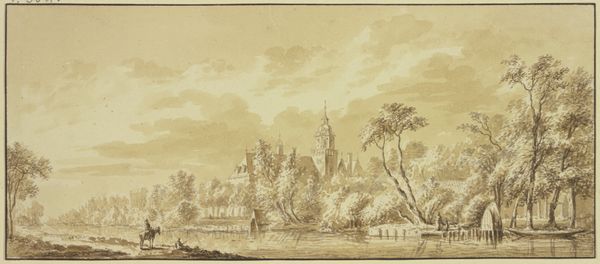
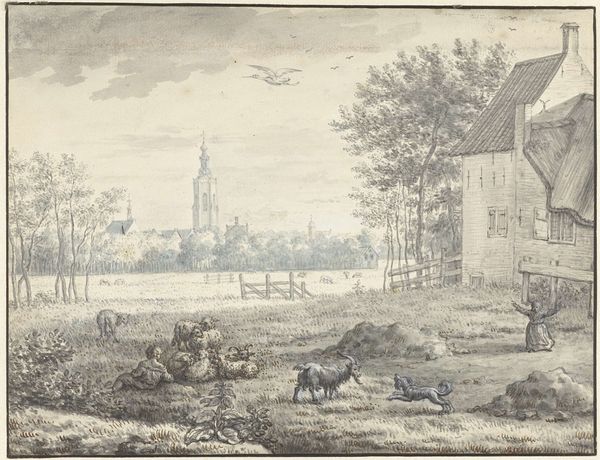
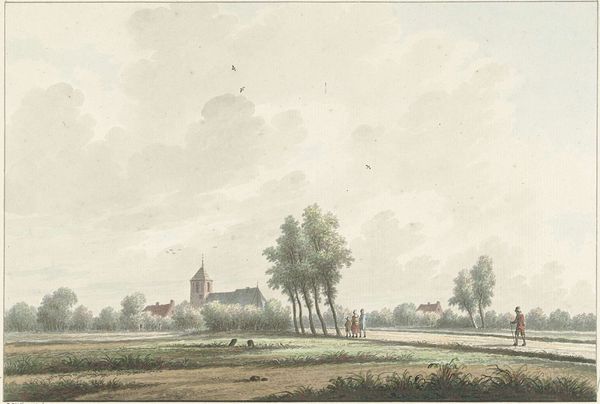
Aert Schouman captured the village of Terheijden in this watercolor and gouache work. Dominating the composition is the church, a symbol central to community identity and spiritual life in the 18th-century Netherlands. Churches, as architectural symbols, echo across history. Think of the Hagia Sophia, once a church, then a mosque, now a museum: it embodies a continuous cycle of cultural and religious transformation. Similarly, the village church here has layers of meaning. Its presence evokes a collective memory, a shared history rooted in faith and communal bonds. The church, as a cultural symbol, can be compared to ancient temples. Each represents a sacred space, a focal point for communal identity. This symbolism is not linear; it resurfaces, evolves, and takes on new meanings in different historical contexts, always reflecting the society's deepest beliefs and aspirations.