About this artwork
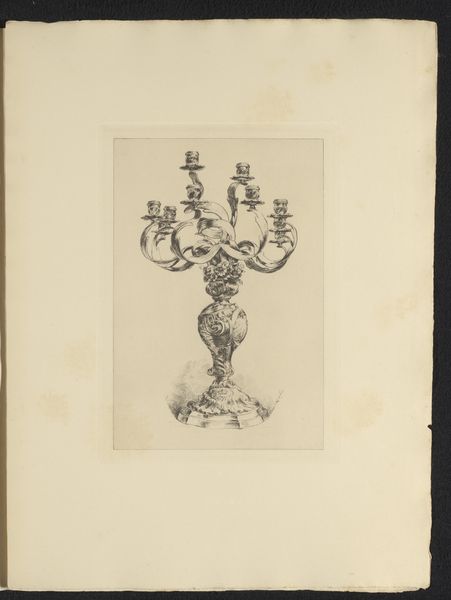
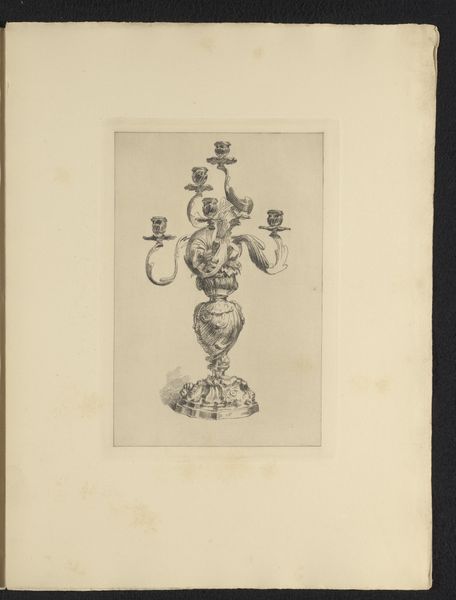
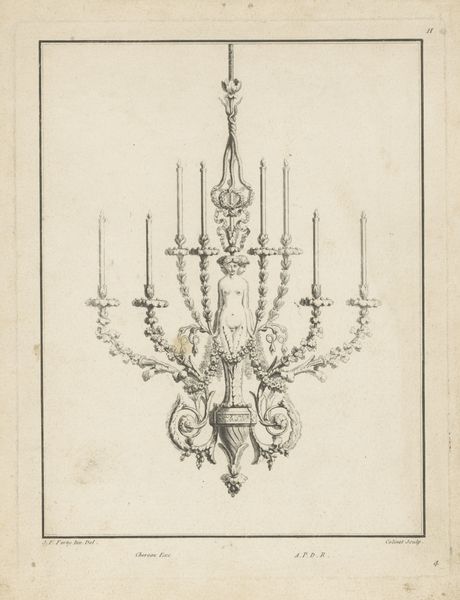
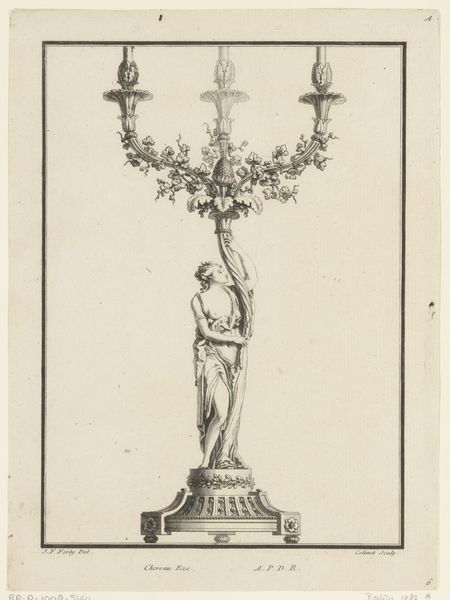
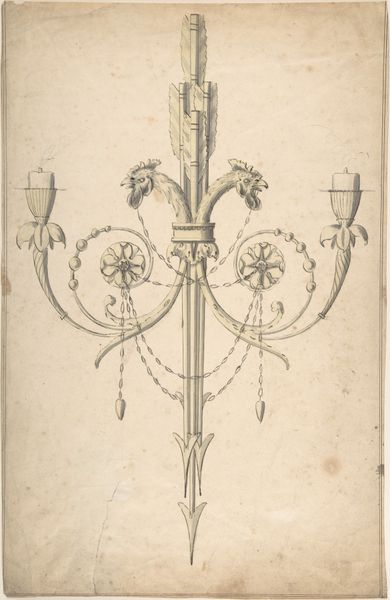
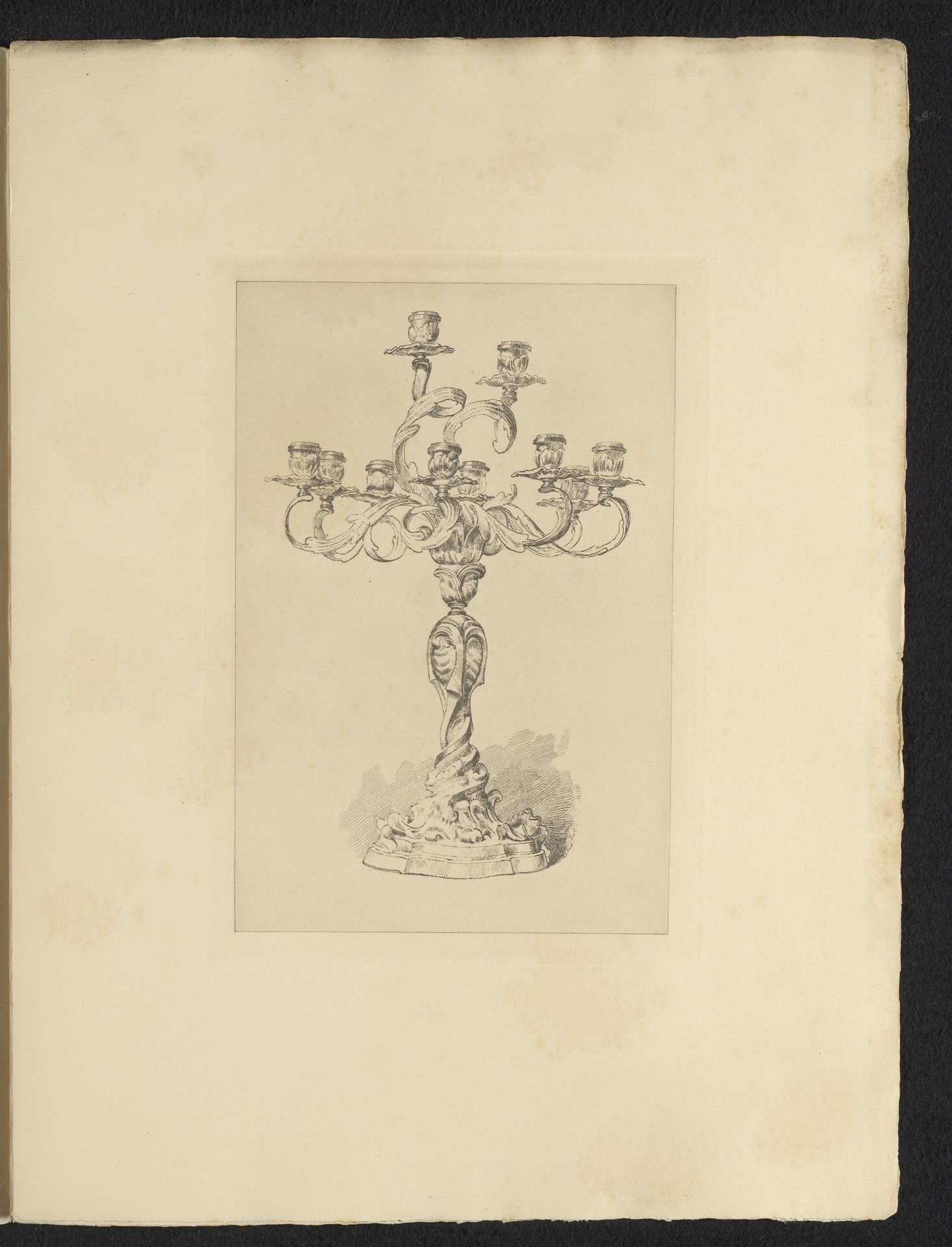
This is an image of a silver ten-armed candelabra, its creator lost to time. The candelabra, with its many branches, immediately evokes the menorah, a symbol of Judaism and its values—wisdom, creation, and divine light. The candelabra's twisting stem connects it to other artworks in different times and places, reminiscent of the serpent-entwined staff of Asclepius, the Greek god of medicine. The motif, a symbol of healing and knowledge, has shed its religious undertones to become a symbol of medicine and commerce. This shift highlights how symbols evolve, their meanings altered by cultural shifts and psychological projection. The candelabra embodies a deep human desire to bring light into darkness. The subconscious urge to illuminate the unknown becomes a powerful force, engaging viewers, reminding us of our eternal quest for truth, even as its forms shift through time.

Artwork details
- Medium
- drawing, metal
- Dimensions
- height 243 mm, width 173 mm
- Copyright
- Rijks Museum: Open Domain
Tags
Comments
Share your thoughts
About this artwork
This is an image of a silver ten-armed candelabra, its creator lost to time. The candelabra, with its many branches, immediately evokes the menorah, a symbol of Judaism and its values—wisdom, creation, and divine light. The candelabra's twisting stem connects it to other artworks in different times and places, reminiscent of the serpent-entwined staff of Asclepius, the Greek god of medicine. The motif, a symbol of healing and knowledge, has shed its religious undertones to become a symbol of medicine and commerce. This shift highlights how symbols evolve, their meanings altered by cultural shifts and psychological projection. The candelabra embodies a deep human desire to bring light into darkness. The subconscious urge to illuminate the unknown becomes a powerful force, engaging viewers, reminding us of our eternal quest for truth, even as its forms shift through time.
Comments
Share your thoughts