1590 - 1615
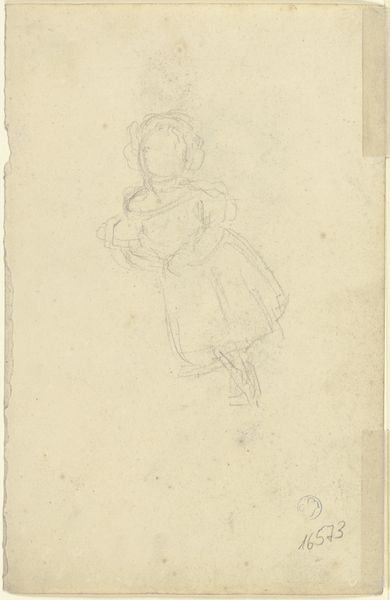
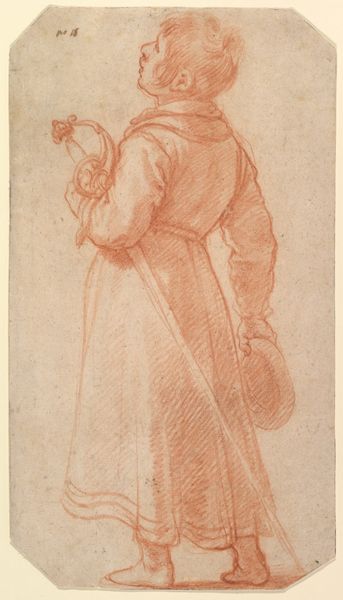
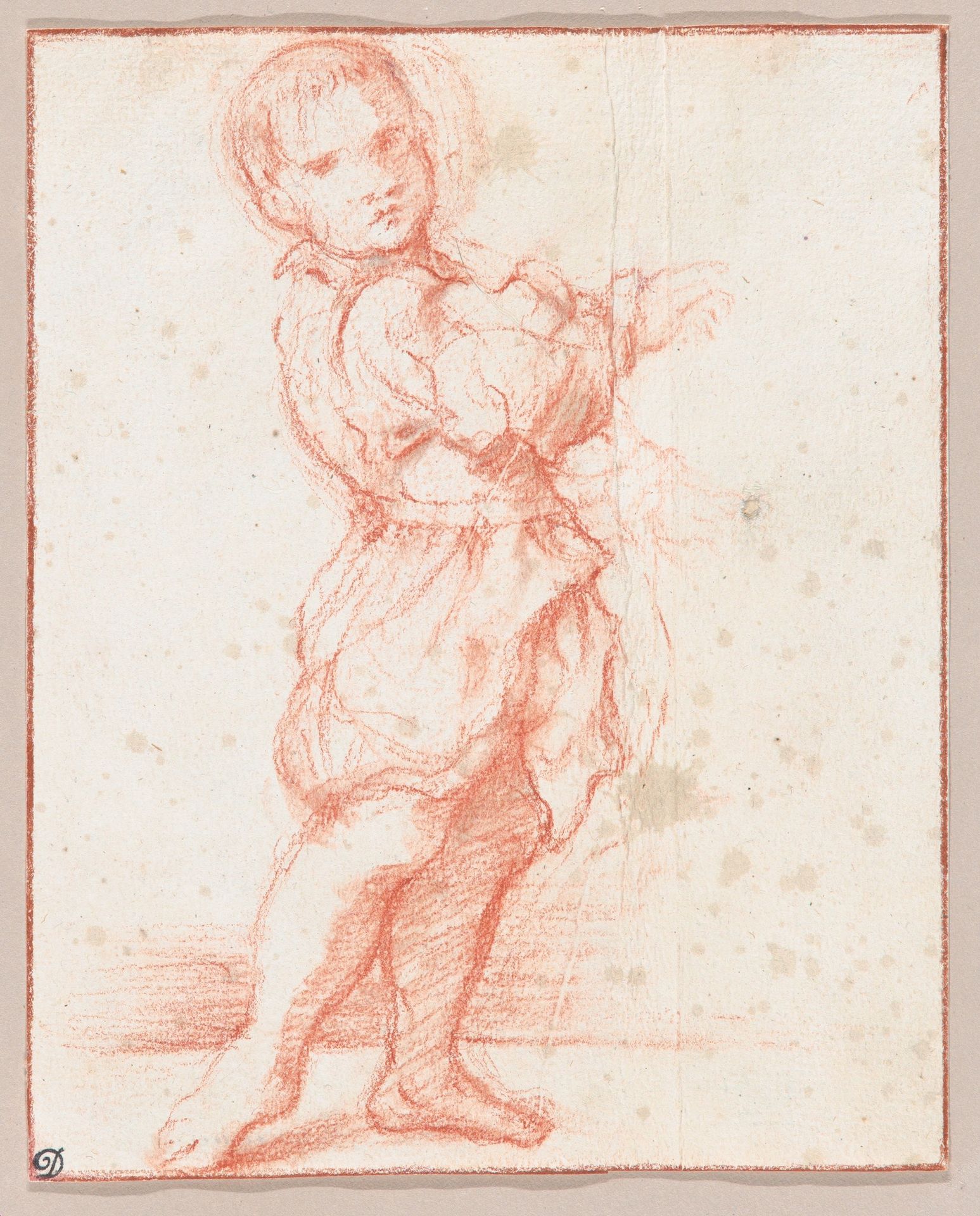
Full-length Figure of a Standing Boy

Bartolomeo Schedoni
1578 - 1615
The Metropolitan Museum of Art
Metropolitan Museum of Art, New York, NYListen to curator's interpretation
Curatorial notes
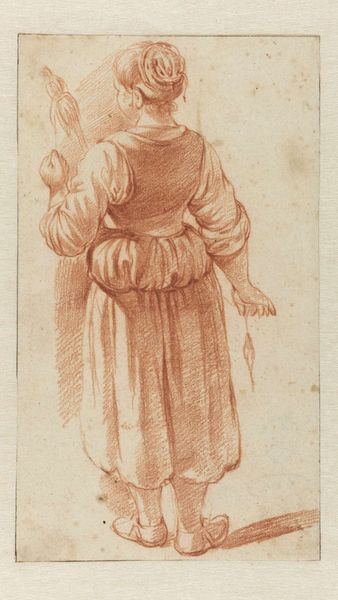
Bartolomeo Schedoni made this red chalk drawing of a standing boy sometime around the turn of the 17th century. Schedoni, working in the milieu of the Counter-Reformation, imbues this seemingly simple study with a quiet, almost melancholic emotional depth. Consider the conventions of representing children at this time. Often, they were depicted as cherubic symbols of innocence, or miniature versions of adults, reinforcing patriarchal structures. But here, Schedoni captures something else: a fleeting moment of childhood vulnerability and uncertainty. The boy’s slightly awkward stance, his gaze turned away, suggests an inner world, a consciousness not fully formed but already present. This drawing invites us to reflect on the ways in which childhood itself is constructed, both historically and culturally. How do we perceive and value the experiences of those who are not yet adults? And what does it mean to recognize the complexity and interiority of a child's perspective?