About this artwork
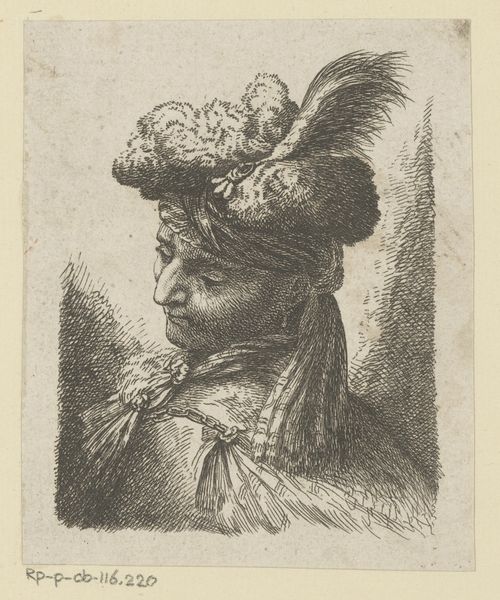
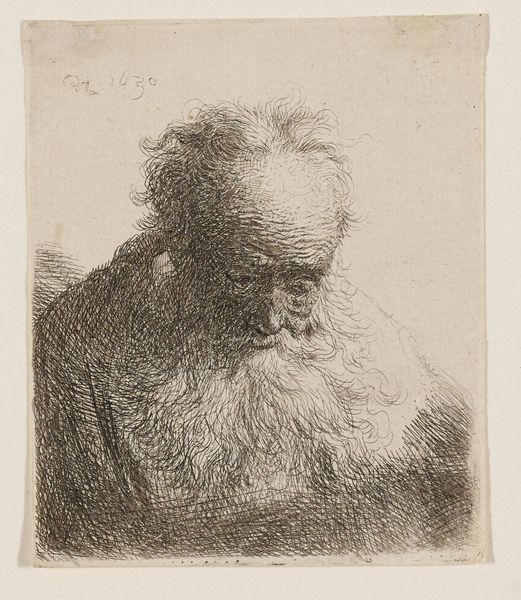
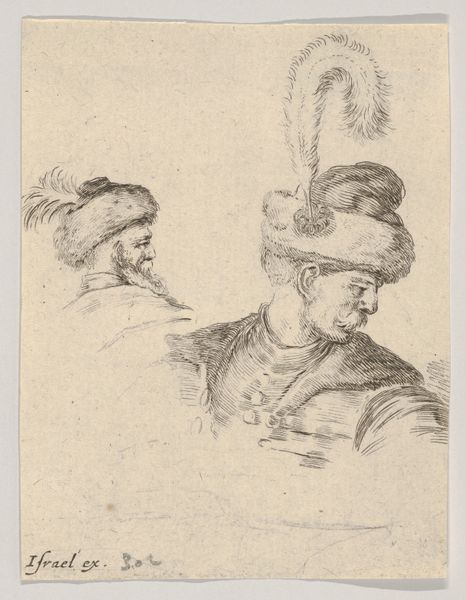
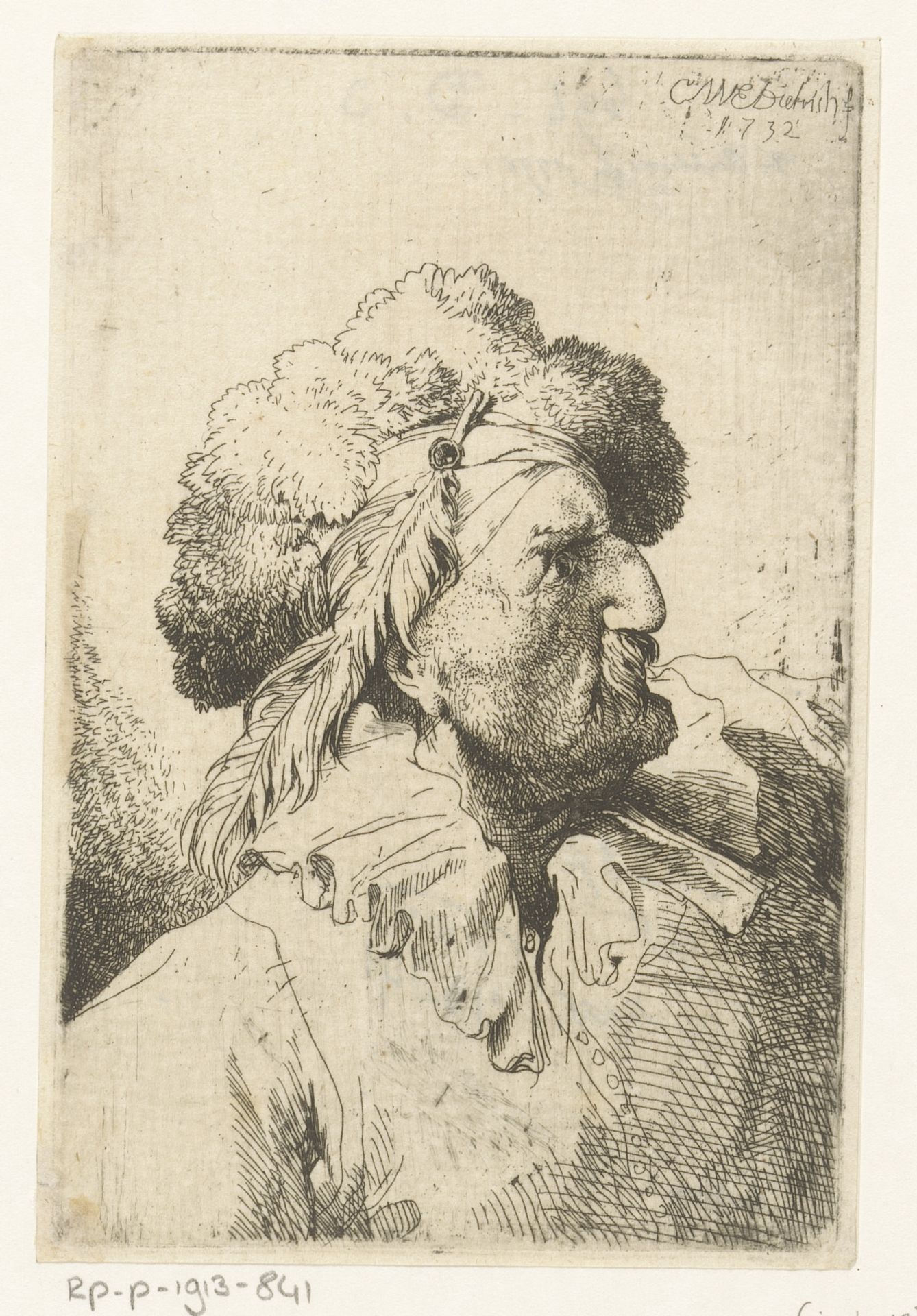
Christian Wilhelm Ernst Dietrich created this etching of a man with a fur hat and feather in 1732. Dietrich was a German painter and printmaker, who became court painter to August III in Dresden. The image depicts a man in fanciful dress, looking off to the right. His clothing seems to be referencing fashions from decades, if not centuries, earlier, and the fur hat and feather only add to the sense that this is a costume. What are we to make of this taste for historical dress? Well, this was a period in which a commercial art market was emerging, and artists were increasingly called on to make novelty items and appealing images for middle-class collectors. The theatrical costume and detailed rendering are sure to have appealed to buyers. Looking into archival sources, we might discover more about the market for such images, and learn more about the artist's relationships with collectors. The meaning of the artwork is contingent on this social and institutional context.

Artwork details
- Medium
- print, etching
- Dimensions
- height 138 mm, width 90 mm
- Location
- Rijksmuseum
- Copyright
- Rijks Museum: Open Domain
Tags
portrait
baroque
etching
figuration
line
history-painting
Comments
No comments
About this artwork
Christian Wilhelm Ernst Dietrich created this etching of a man with a fur hat and feather in 1732. Dietrich was a German painter and printmaker, who became court painter to August III in Dresden. The image depicts a man in fanciful dress, looking off to the right. His clothing seems to be referencing fashions from decades, if not centuries, earlier, and the fur hat and feather only add to the sense that this is a costume. What are we to make of this taste for historical dress? Well, this was a period in which a commercial art market was emerging, and artists were increasingly called on to make novelty items and appealing images for middle-class collectors. The theatrical costume and detailed rendering are sure to have appealed to buyers. Looking into archival sources, we might discover more about the market for such images, and learn more about the artist's relationships with collectors. The meaning of the artwork is contingent on this social and institutional context.
Comments
No comments