About this artwork
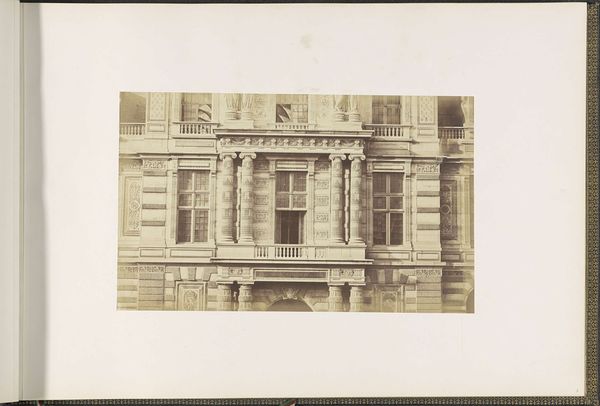
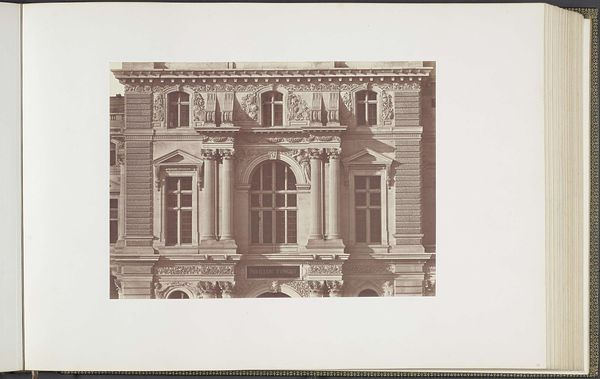
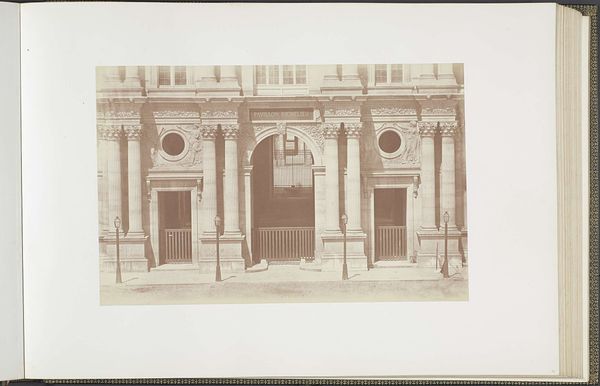
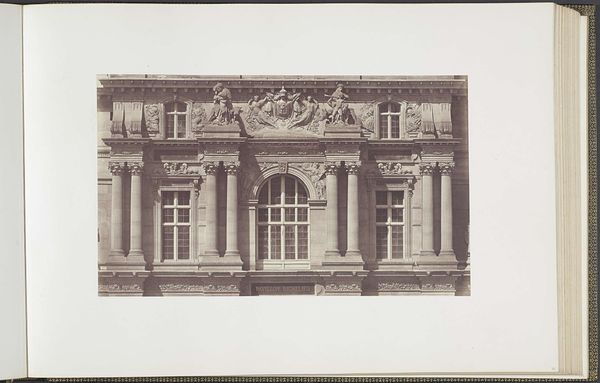
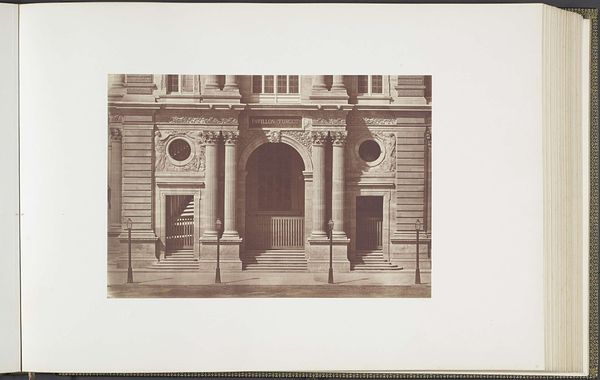
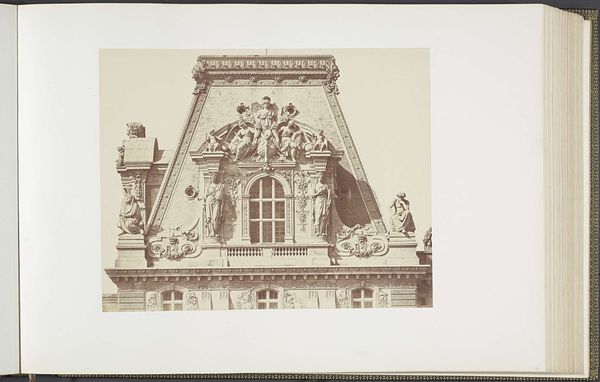
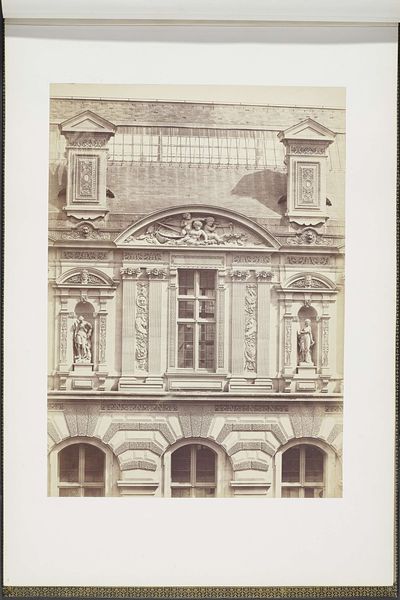
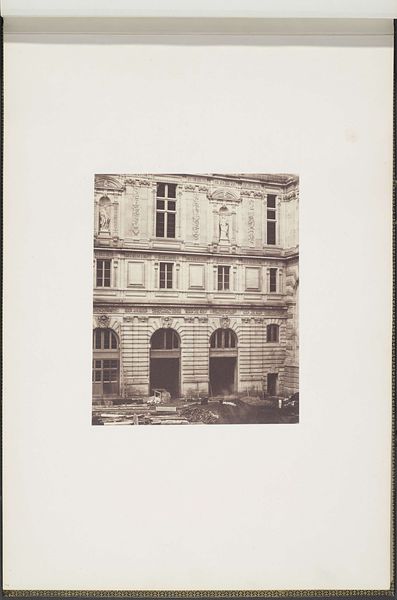
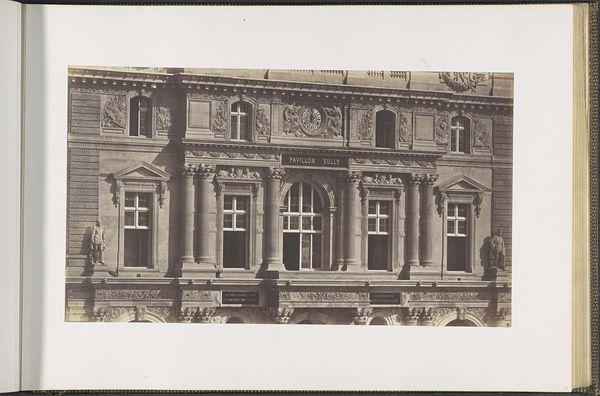
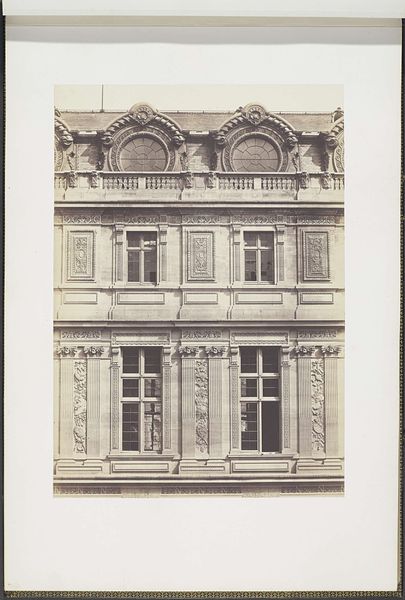
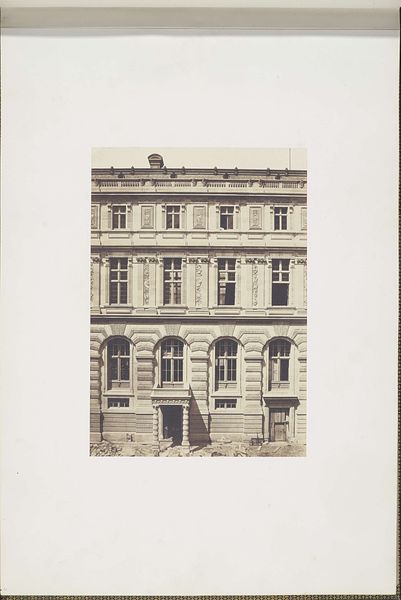
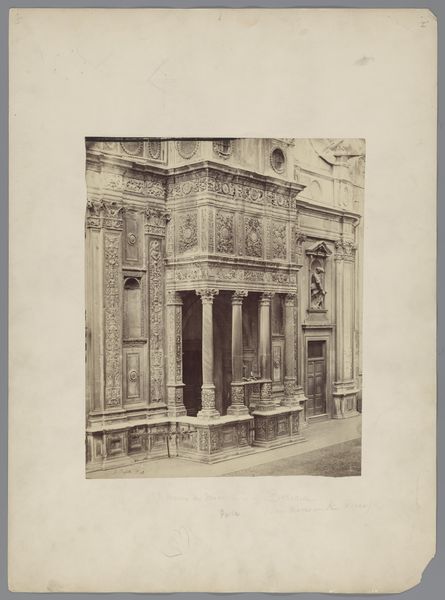
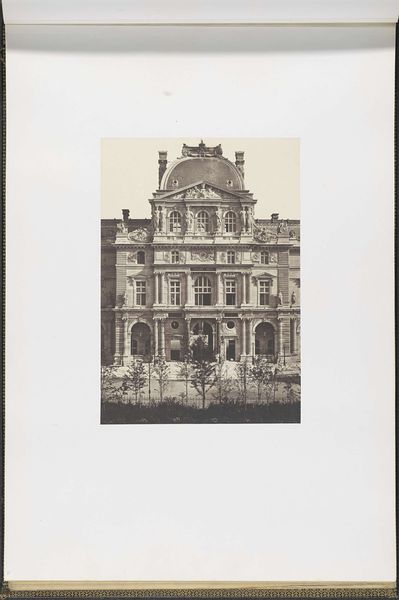
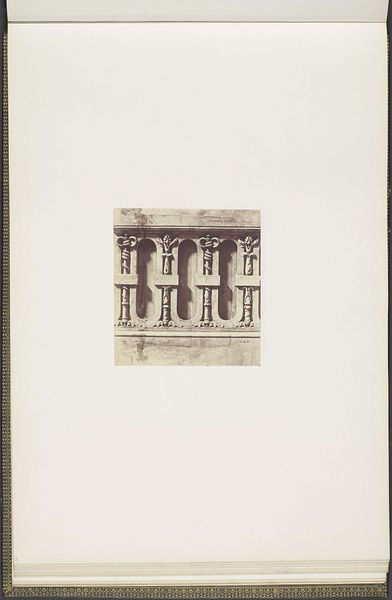
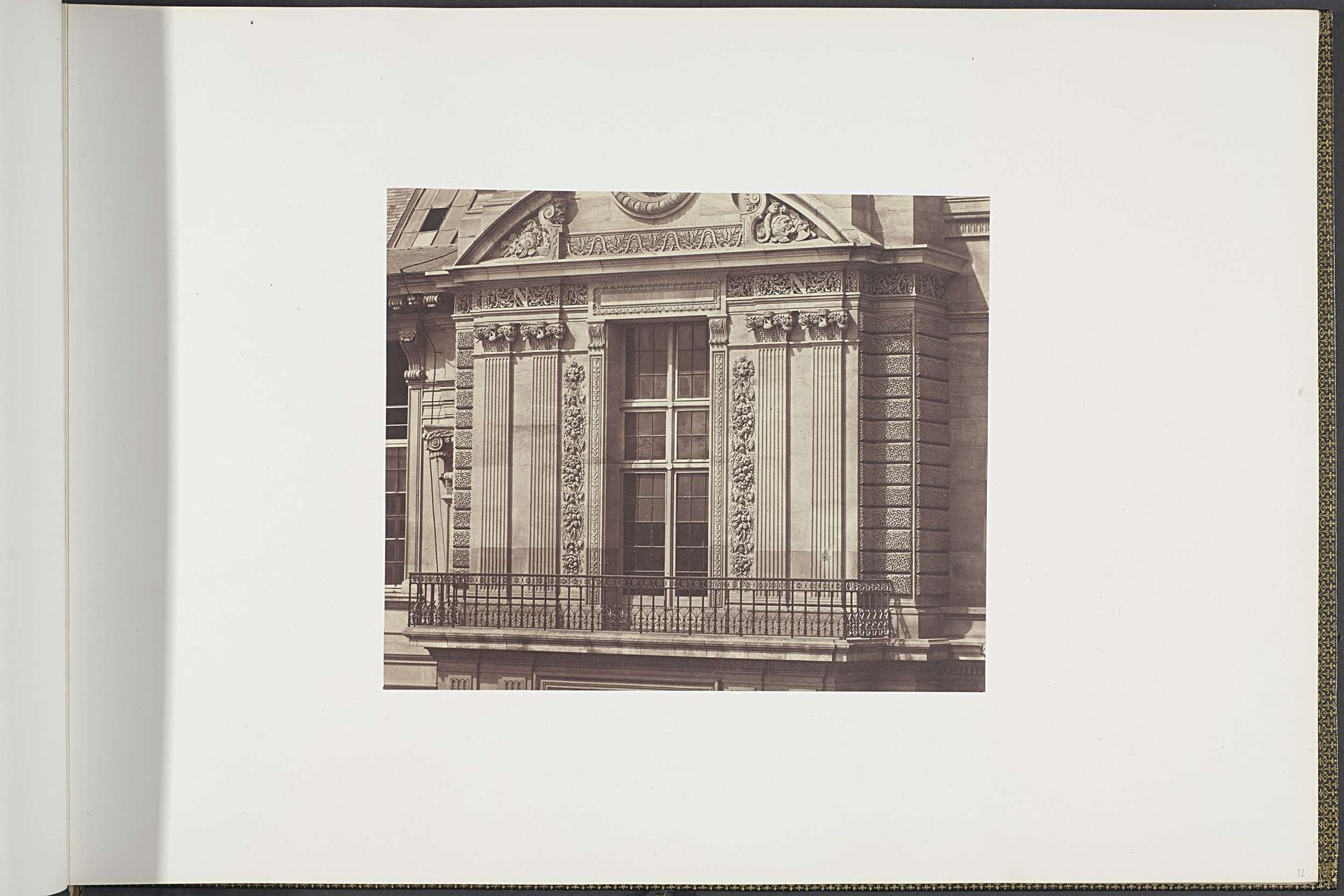
Edouard Baldus made this albumen print, "Gevel van het Pavillon de Rohan (onderzijde)," at an unknown date. Baldus, working in the 19th century, lived through profound shifts in French society, notably the industrial revolution and the rise of photography as both an art form and a tool of documentation. This photograph captures a fragment of Parisian architecture. It presents the viewer with a meticulously detailed facade, showcasing the grandeur and precision of classical design. The image invites us to consider the relationship between architecture, power, and identity. Buildings like the Pavillon de Rohan were not merely structures; they were statements of cultural values. Baldus's work prompts reflection on how environments shape our experiences, and how photography can preserve and interpret the layers of history embedded in architecture. Consider the power structures that these grand buildings embodied and the lives of those who existed within and around them.
Gevel van het Pavillon de Rohan (onderzijde)
c. 1857

Edouard Baldus
1813 - 1889Location
RijksmuseumArtwork details
- Medium
- photography, site-specific, albumen-print, architecture
- Dimensions
- height 378 mm, width 556 mm
- Location
- Rijksmuseum
- Copyright
- Rijks Museum: Open Domain
Tags
landscape
photography
site-specific
cityscape
albumen-print
architecture
realism
Comments
Be the first to share your thoughts about this work.
About this artwork
Edouard Baldus made this albumen print, "Gevel van het Pavillon de Rohan (onderzijde)," at an unknown date. Baldus, working in the 19th century, lived through profound shifts in French society, notably the industrial revolution and the rise of photography as both an art form and a tool of documentation. This photograph captures a fragment of Parisian architecture. It presents the viewer with a meticulously detailed facade, showcasing the grandeur and precision of classical design. The image invites us to consider the relationship between architecture, power, and identity. Buildings like the Pavillon de Rohan were not merely structures; they were statements of cultural values. Baldus's work prompts reflection on how environments shape our experiences, and how photography can preserve and interpret the layers of history embedded in architecture. Consider the power structures that these grand buildings embodied and the lives of those who existed within and around them.
Comments
Be the first to share your thoughts about this work.