About this artwork
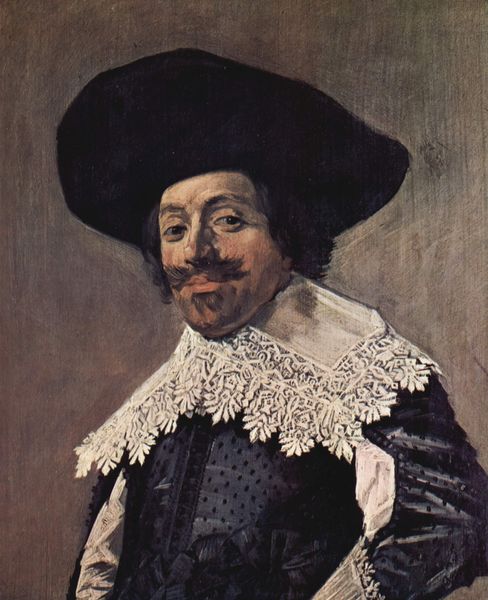
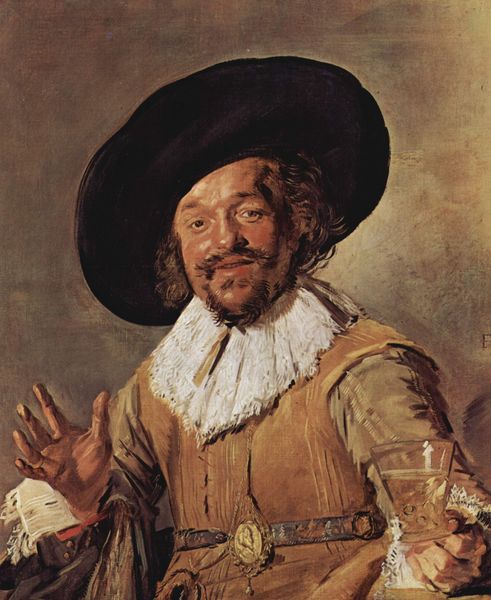
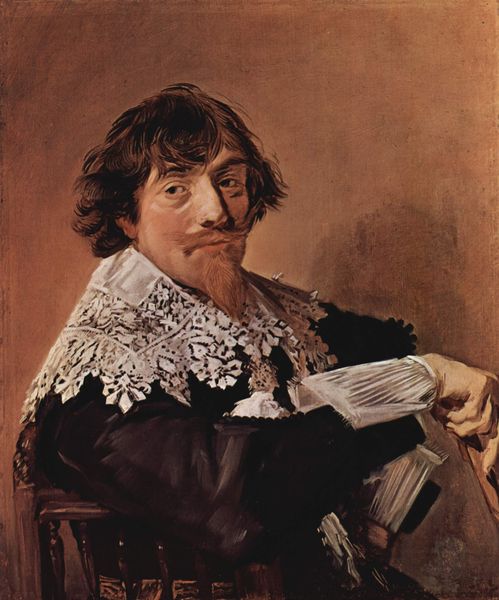
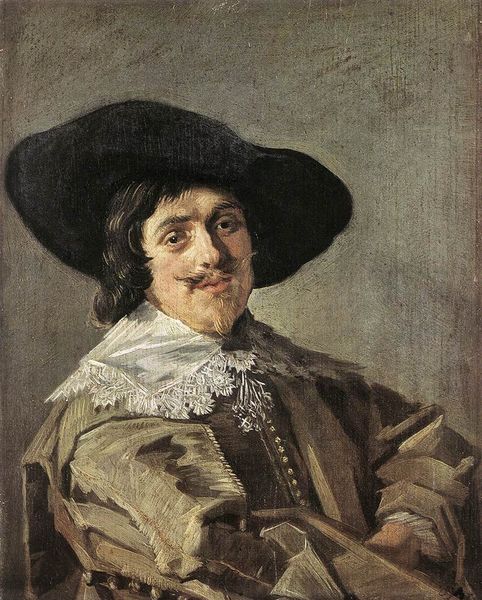
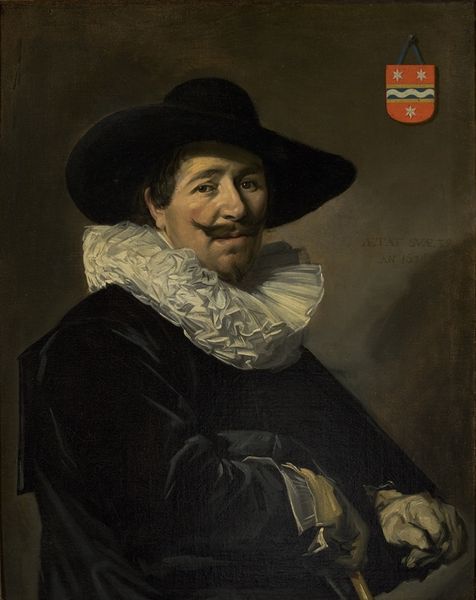
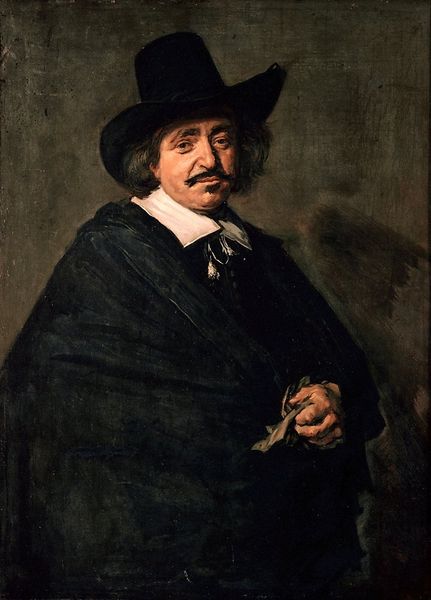
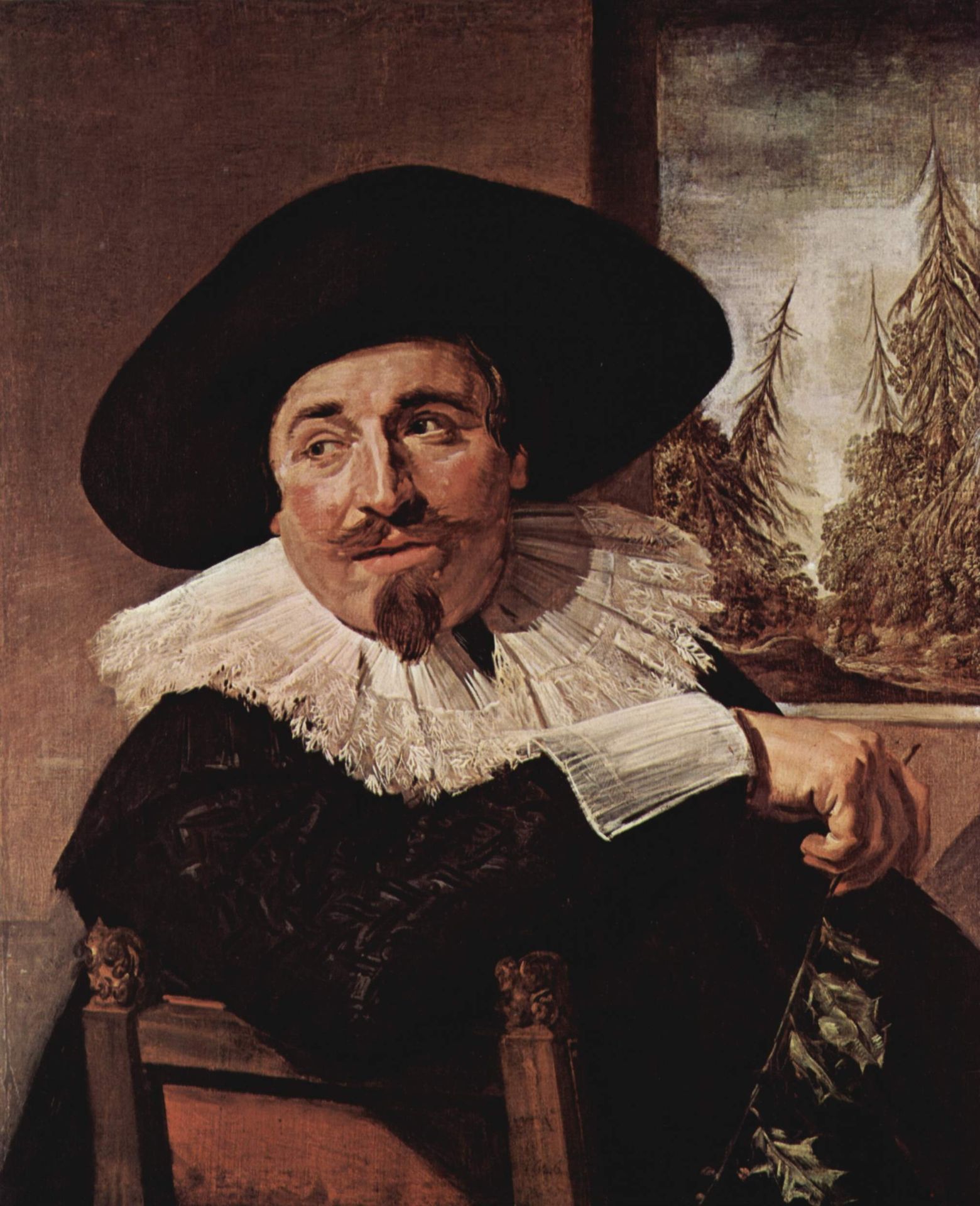
Frans Hals painted this portrait of Isaak Abrahamsz Massa with oil on canvas. Notice how the artist’s use of broad, fluid brushstrokes captures the texture and character of the sitter. The dynamic composition, with its interplay of light and shadow, creates a sense of immediacy. Hals departs from traditional portraiture by capturing Massa in an informal pose, which signals a shift towards greater naturalism. Look closely at how Hals employed loose brushwork, particularly in rendering Massa’s ruffled collar and facial features. This technique, characteristic of Hals' style, imparts a sense of movement and vitality to the subject. The portrait’s structure, with its emphasis on capturing a fleeting moment, reflects a broader cultural interest in representing individual personality. This approach to form and structure invites us to reconsider conventional notions of portraiture and representation in art.
Portrait of Isaak Abrahamsz Massa
1626


Artwork details
- Medium
- painting, oil-paint
- Dimensions
- 79.7 x 65.1 cm
- Location
- Art Gallery of Ontario (AGO), Toronto, Canada
- Copyright
- Public domain
Tags
portrait
baroque
dutch-golden-age
painting
oil-paint
figuration
realism
Comments
Be the first to share your thoughts about this work.
About this artwork
Frans Hals painted this portrait of Isaak Abrahamsz Massa with oil on canvas. Notice how the artist’s use of broad, fluid brushstrokes captures the texture and character of the sitter. The dynamic composition, with its interplay of light and shadow, creates a sense of immediacy. Hals departs from traditional portraiture by capturing Massa in an informal pose, which signals a shift towards greater naturalism. Look closely at how Hals employed loose brushwork, particularly in rendering Massa’s ruffled collar and facial features. This technique, characteristic of Hals' style, imparts a sense of movement and vitality to the subject. The portrait’s structure, with its emphasis on capturing a fleeting moment, reflects a broader cultural interest in representing individual personality. This approach to form and structure invites us to reconsider conventional notions of portraiture and representation in art.
Comments
Be the first to share your thoughts about this work.