About this artwork
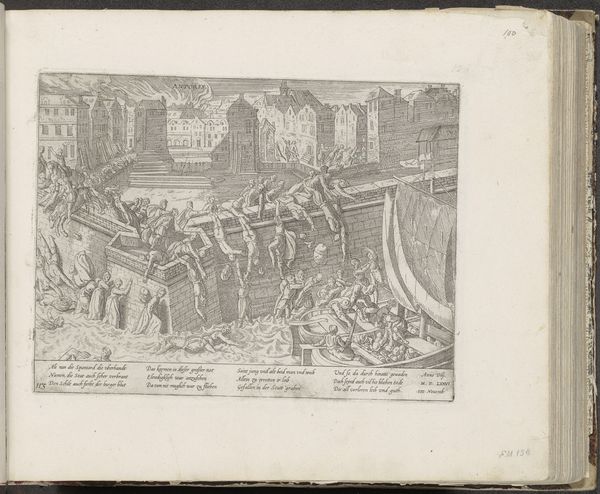
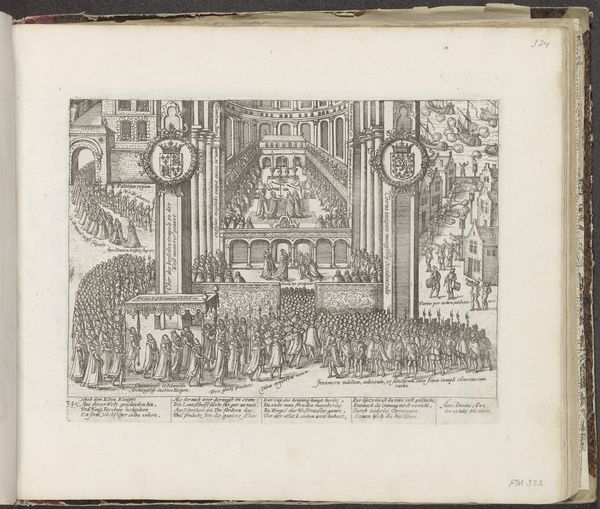
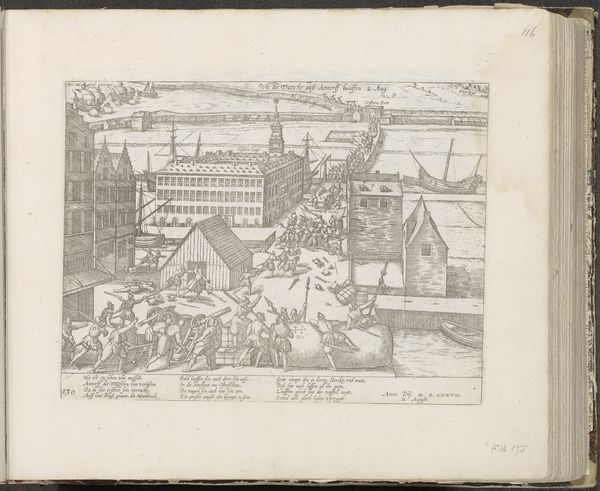
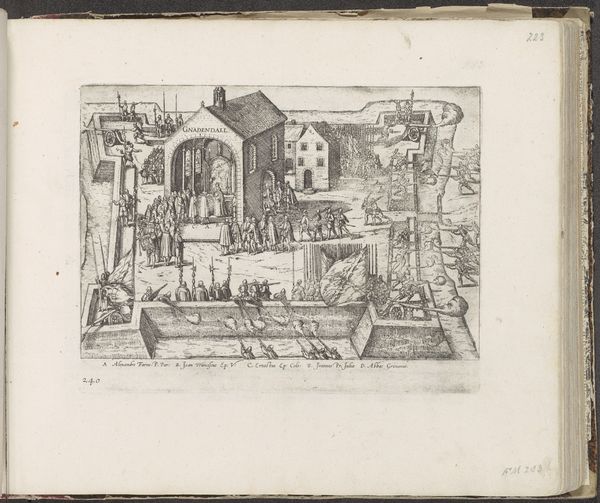
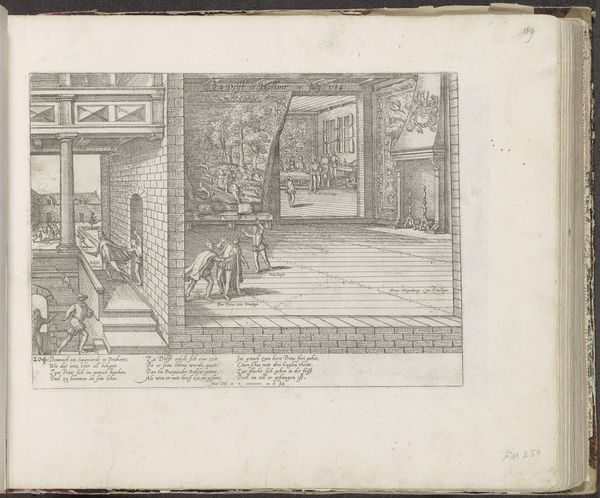
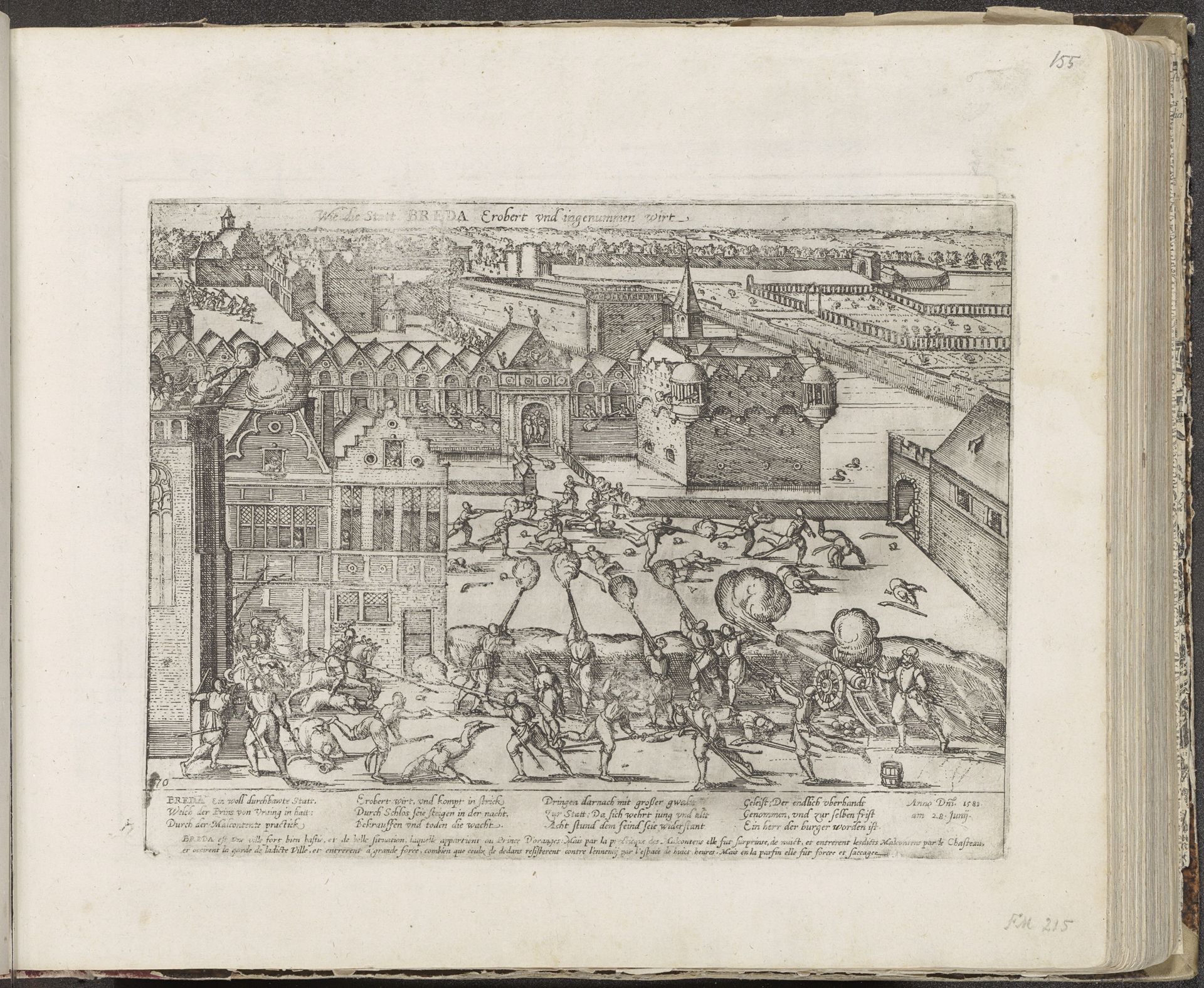
In 1581, Frans Hogenberg captured the ‘Verovering van Breda door de Malcontenten’ – the conquest of Breda – in ink on paper. The printmaking process allowed for the dissemination of current events, functioning like a news photo today. The fine, etched lines create a detailed depiction of the siege, where we can see the Malcontent mercenaries storming the city. The work's linear quality, achieved through the labor-intensive process of etching, lends a sense of immediacy to the scene. It shows the use of acid to bite into a metal plate, resulting in these very fine, precise lines. Each one meticulously rendered to convey the chaos of battle. The print represents not only an artistic accomplishment but also a reflection of the era's political tensions, and the crucial role that printed images played in shaping public opinion. It serves as a reminder of the interplay between artistic skill, historical events, and the distribution of information in early modern Europe.
Verovering van Breda door de Malcontenten, 1581
c. 1581 - 1585

Frans Hogenberg
1540 - 1590Location
RijksmuseumArtwork details
- Medium
- print, engraving
- Dimensions
- height 212 mm, width 283 mm
- Location
- Rijksmuseum
- Copyright
- Rijks Museum: Open Domain
Tags
Comments
Share your thoughts
About this artwork
In 1581, Frans Hogenberg captured the ‘Verovering van Breda door de Malcontenten’ – the conquest of Breda – in ink on paper. The printmaking process allowed for the dissemination of current events, functioning like a news photo today. The fine, etched lines create a detailed depiction of the siege, where we can see the Malcontent mercenaries storming the city. The work's linear quality, achieved through the labor-intensive process of etching, lends a sense of immediacy to the scene. It shows the use of acid to bite into a metal plate, resulting in these very fine, precise lines. Each one meticulously rendered to convey the chaos of battle. The print represents not only an artistic accomplishment but also a reflection of the era's political tensions, and the crucial role that printed images played in shaping public opinion. It serves as a reminder of the interplay between artistic skill, historical events, and the distribution of information in early modern Europe.
Comments
Share your thoughts