About this artwork
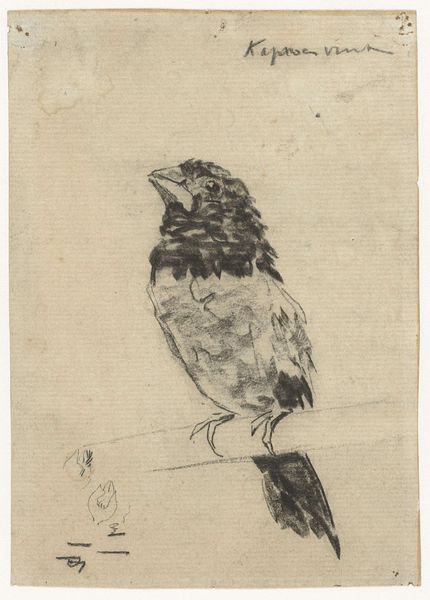
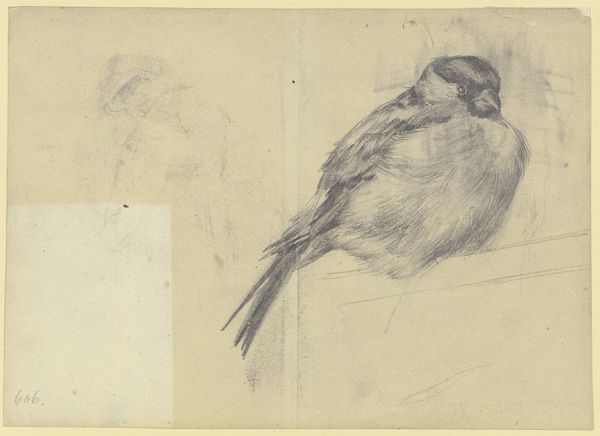
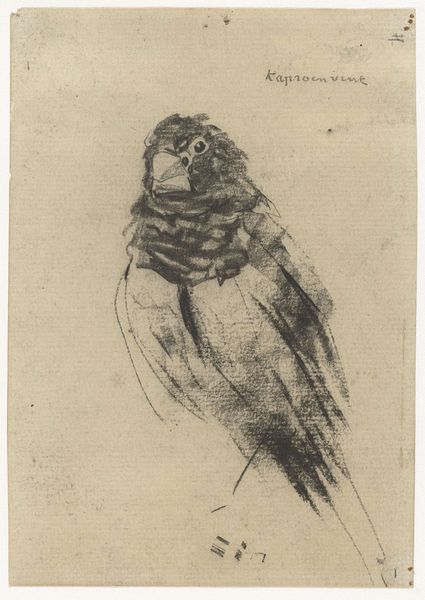
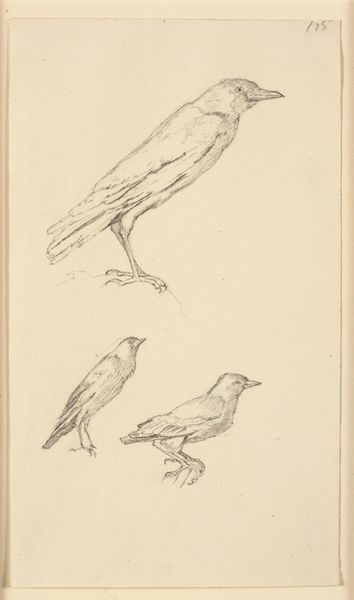
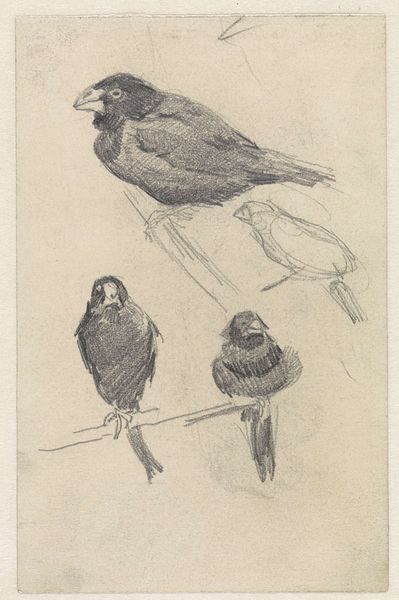
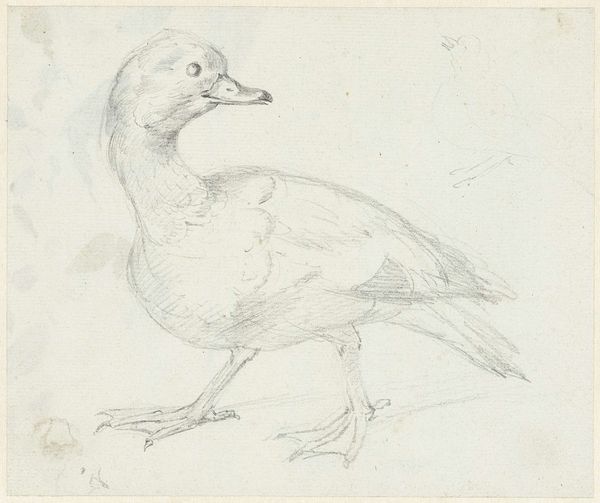
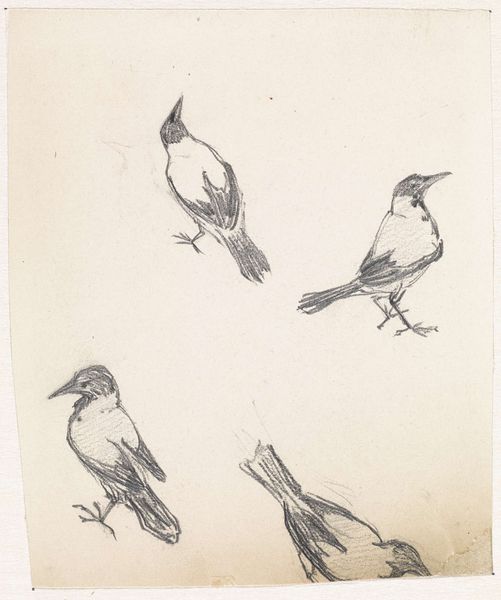
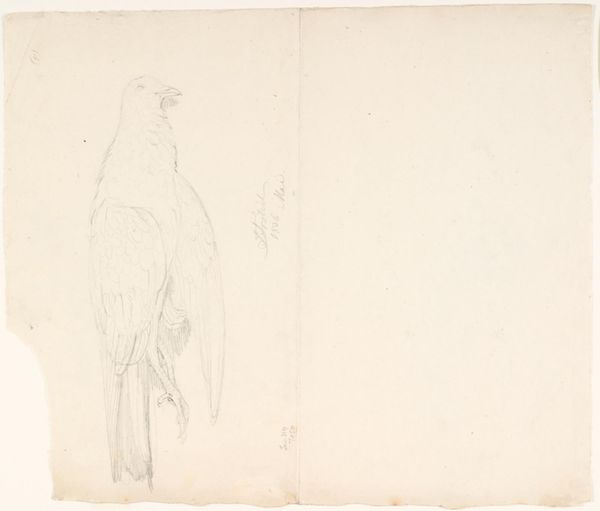
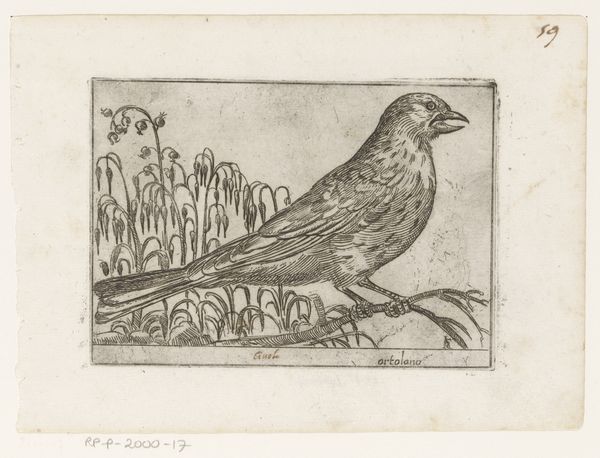
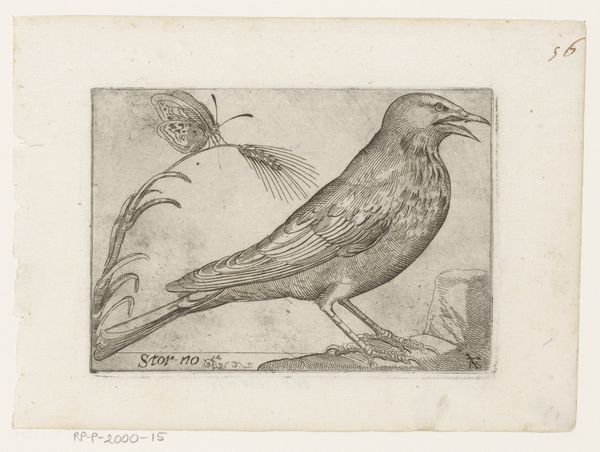
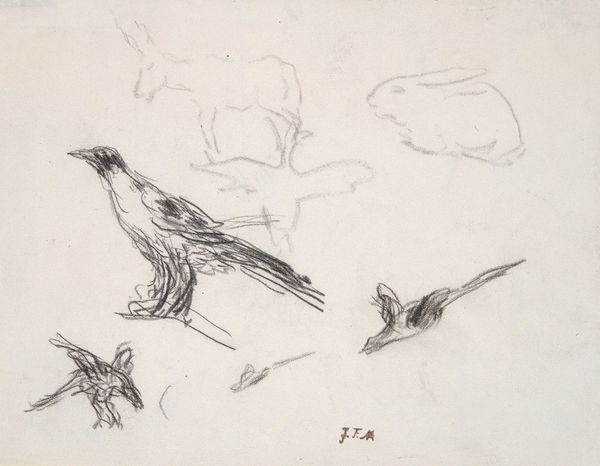
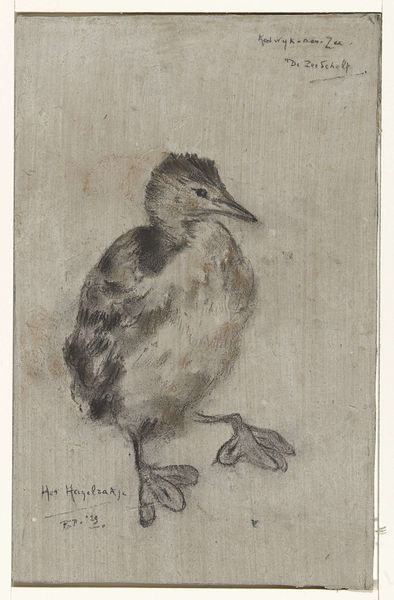
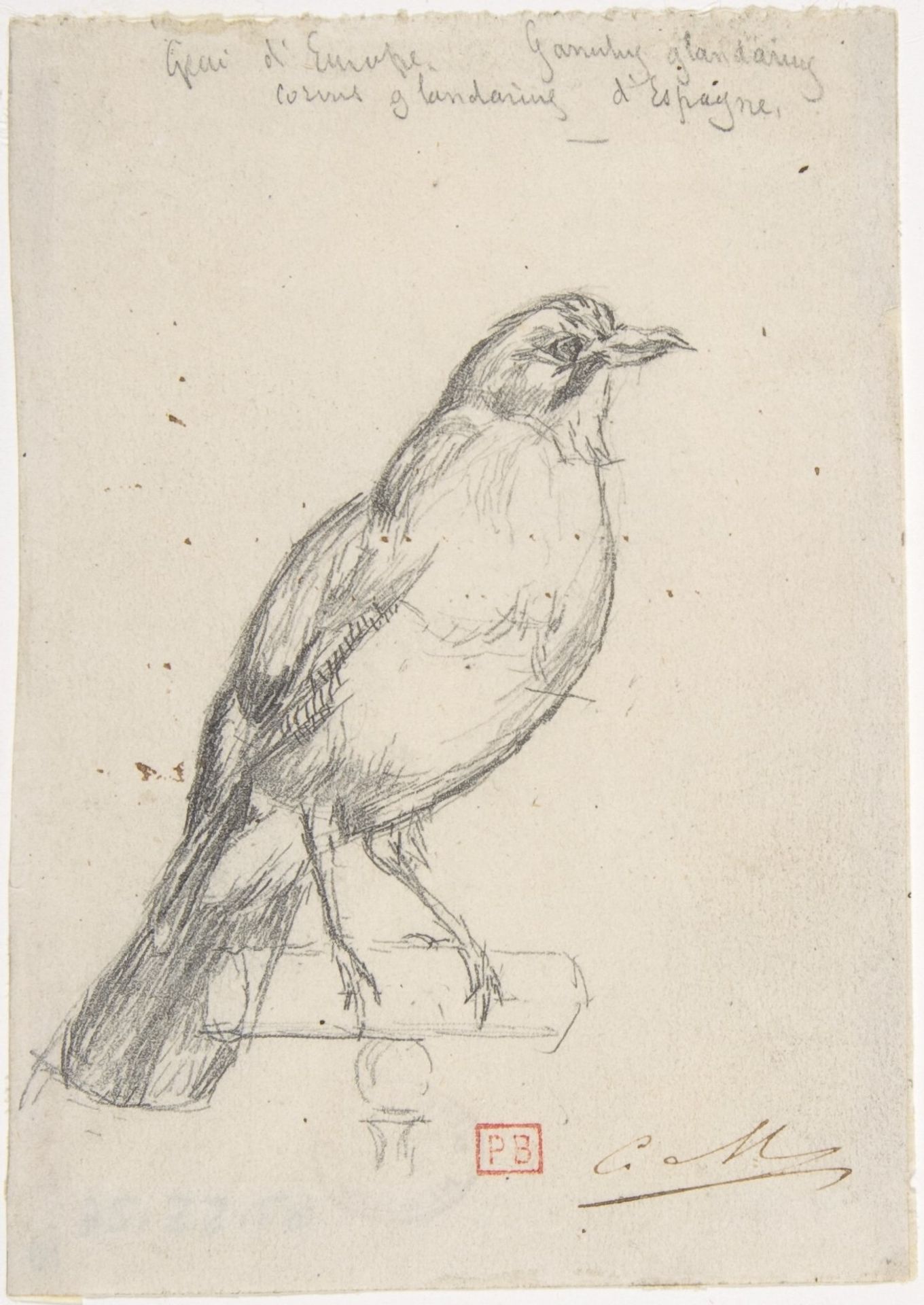
Charles Meryon made this sketch of ‘A European Jay’ using graphite on paper. This quick study can tell us something about the institutional history of French art in the mid-19th century. We can assume that Meryon made this drawing from life or from a specimen because accurate animal illustration was an important part of French scientific and artistic culture at the time. The ability to accurately depict the natural world was a key skill taught in art academies and natural history museums. This emphasis on naturalism in art reflected a broader cultural interest in scientific observation. The European Jay itself is a common bird, but Meryon has given it a certain dignity through his careful attention to detail. To truly appreciate its place, we could research the cultural meanings that birds had in 19th-century France. Consulting scientific and artistic sources from the period will give us a deeper understanding of Meryon's work and its relationship to the social and institutional context of its time.
A European Jay
1858 - 1868


Artwork details
- Medium
- drawing, print
- Dimensions
- 3 13/16 x 2 11/16 in. (9.7 x 6.8 cm)
- Location
- Metropolitan Museum of Art, New York, NY
- Copyright
- Public Domain
Tags
Comments
Share your thoughts
About this artwork
Charles Meryon made this sketch of ‘A European Jay’ using graphite on paper. This quick study can tell us something about the institutional history of French art in the mid-19th century. We can assume that Meryon made this drawing from life or from a specimen because accurate animal illustration was an important part of French scientific and artistic culture at the time. The ability to accurately depict the natural world was a key skill taught in art academies and natural history museums. This emphasis on naturalism in art reflected a broader cultural interest in scientific observation. The European Jay itself is a common bird, but Meryon has given it a certain dignity through his careful attention to detail. To truly appreciate its place, we could research the cultural meanings that birds had in 19th-century France. Consulting scientific and artistic sources from the period will give us a deeper understanding of Meryon's work and its relationship to the social and institutional context of its time.
Comments
Share your thoughts