1881 - 1927
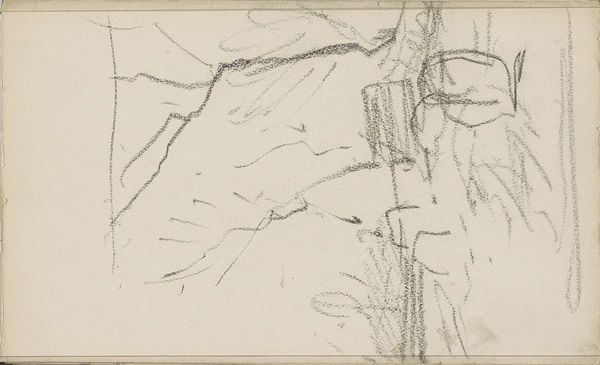
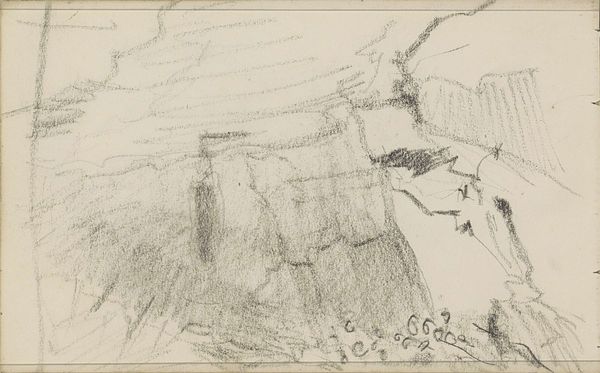
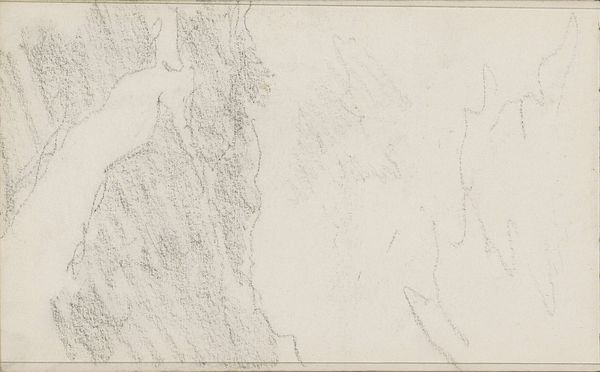
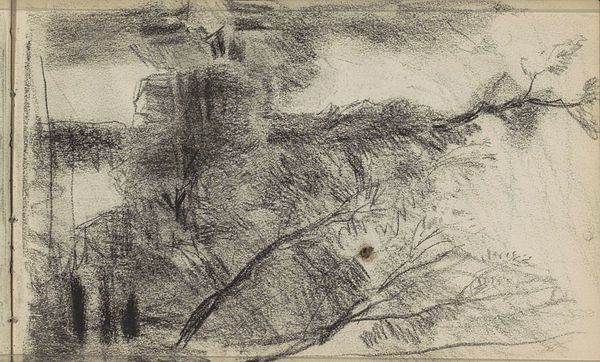
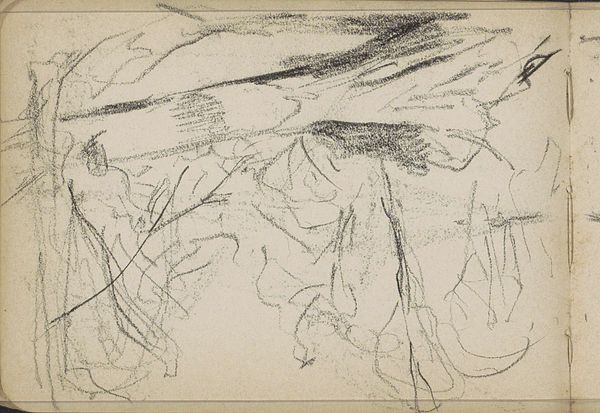
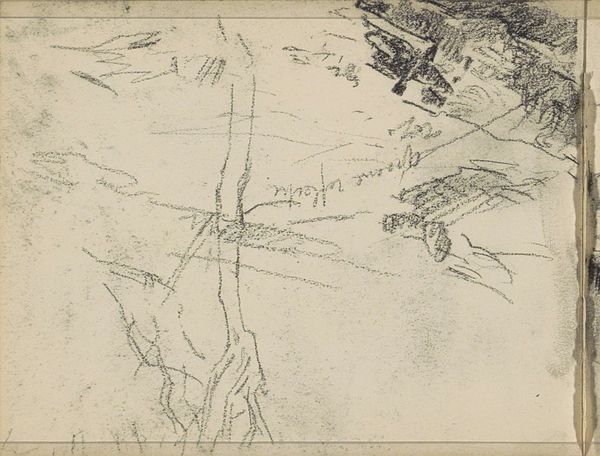
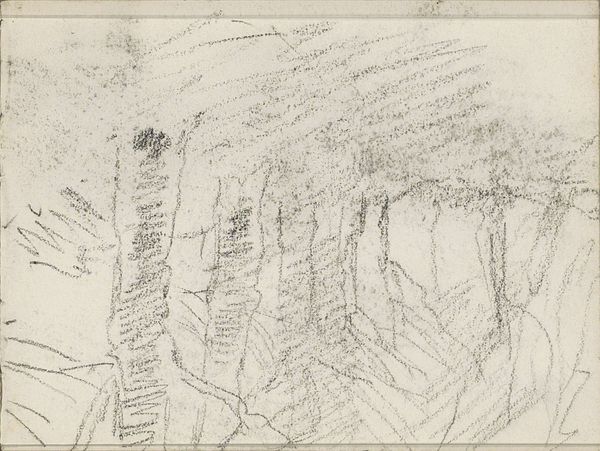
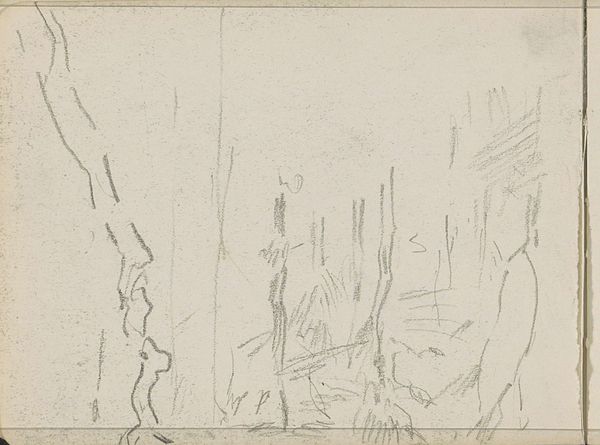
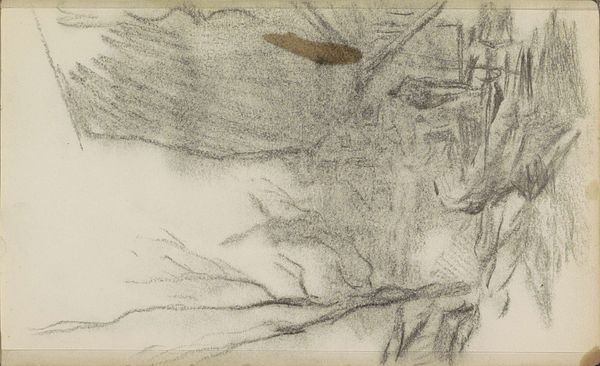
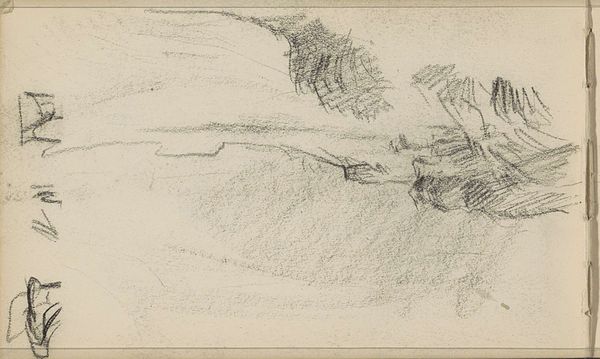
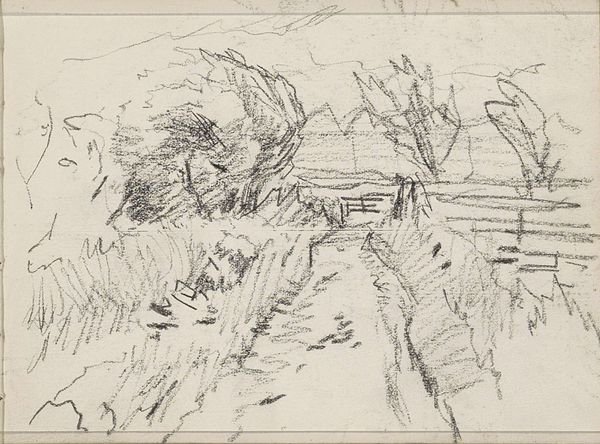
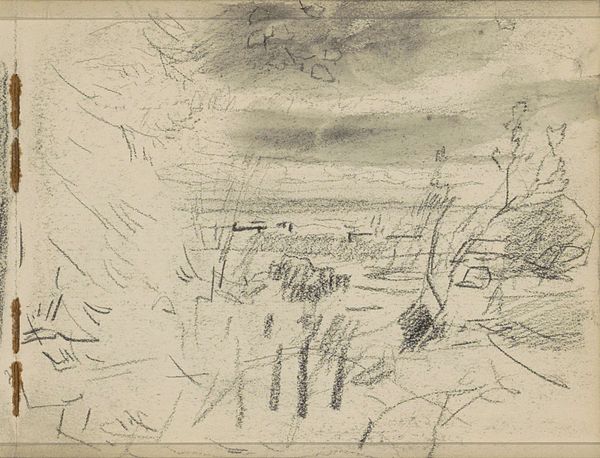
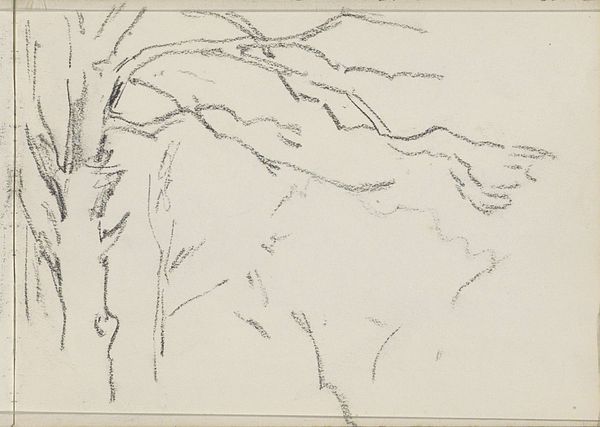
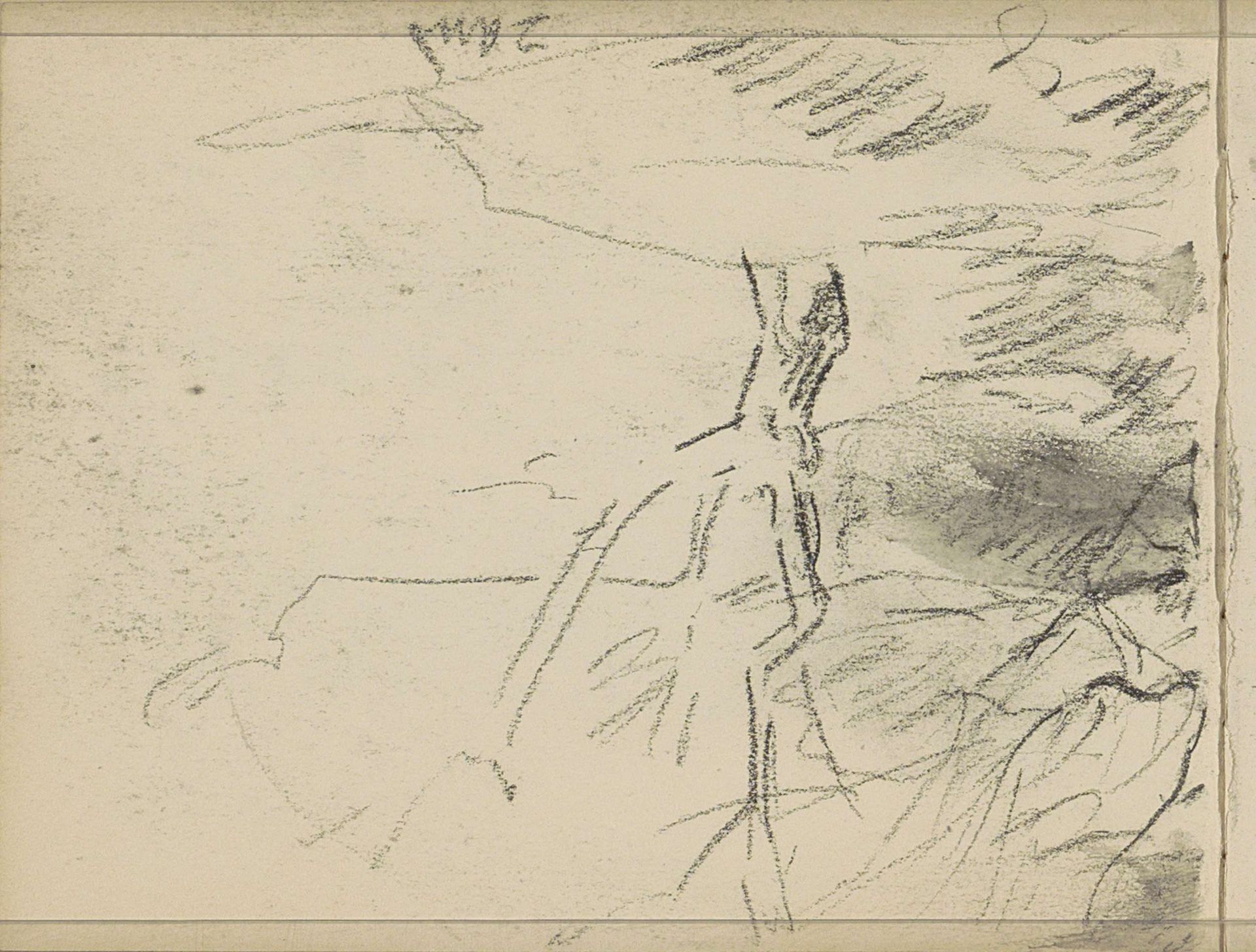
Landschap, mogelijk een duinlandschap

Listen to curator's interpretation
Curatorial notes
Johan Antonie de Jonge sketched this landscape, likely a dune, using sparse strokes of pencil. It offers us a glimpse into the raw, untamed essence of nature. The vertical thrust of the image, with the stark, looming form of the dune, echoes the ancient symbol of the axis mundi—the world's center. In various cultures, this symbol connects the earthly and the divine. The cross, or the tree of life, all embody this link. Here, the dune, barren as it may seem, becomes the nexus. We see a stark reminder of humanity's insignificance within the vastness of nature. This mirrors Caspar David Friedrich's landscapes, where solitary figures are dwarfed by towering mountains. Perhaps, subconsciously, De Jonge evokes this sense of awe and humility. In the collective memory of our species, we forever grapple with our place in the cosmos. It is a primal quest for understanding that resonates deep within the psyche.