About this artwork
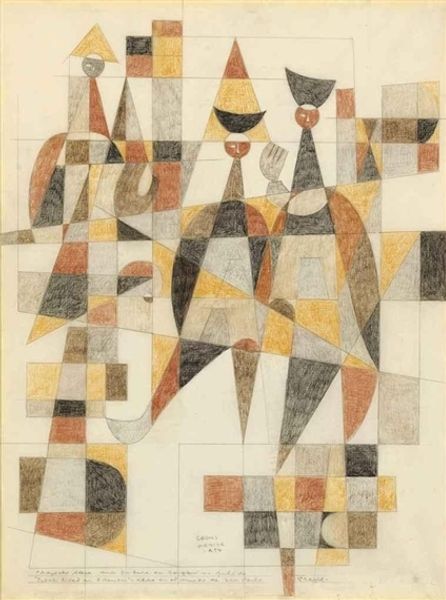
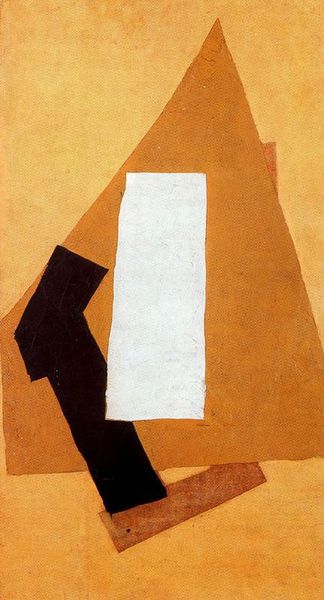
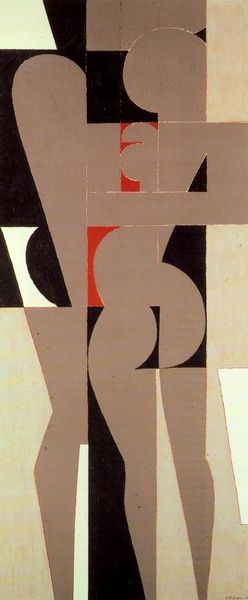
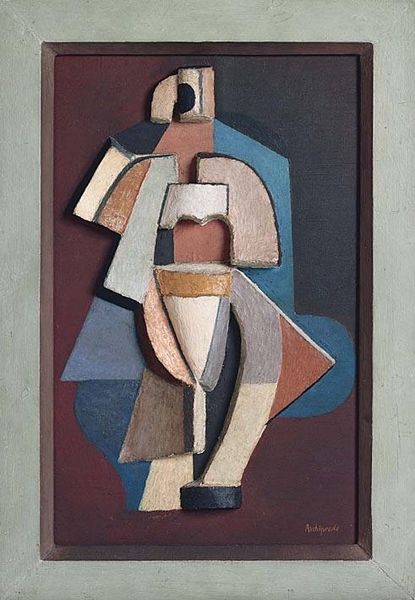
Carlos Merida made this painting, El Doble, likely in the mid-20th century, though the exact date is unknown. It shows an ambiguous figure formed by geometric shapes in muted colors. Merida was Guatemalan, and spent much of his career in Mexico. There, he became part of a vibrant artistic scene in the wake of the Mexican Revolution, amid debates about the role of indigenous cultures. Merida's work reflects these debates. On the one hand, it engages with international avant-gardes like Cubism and Constructivism. On the other, it incorporates Mayan and other pre-Columbian imagery. Here, the monumental figure seems to evoke an ancient statue, but one that is also fragmented and mysterious. Art historians can use Merida's personal writings, Mexican cultural journals, and exhibition reviews to understand how his paintings reflect the cultural and political dialogues of his time. His art reminds us that even abstract forms are shaped by social forces.

Artwork details
- Medium
- mixed-media, painting
- Copyright
- Carlos Merida,Fair Use
Tags
portrait
cubism
mixed-media
painting
stencil
typography
painted
figuration
geometric
abstraction
modernism
Comments
No comments
About this artwork
Carlos Merida made this painting, El Doble, likely in the mid-20th century, though the exact date is unknown. It shows an ambiguous figure formed by geometric shapes in muted colors. Merida was Guatemalan, and spent much of his career in Mexico. There, he became part of a vibrant artistic scene in the wake of the Mexican Revolution, amid debates about the role of indigenous cultures. Merida's work reflects these debates. On the one hand, it engages with international avant-gardes like Cubism and Constructivism. On the other, it incorporates Mayan and other pre-Columbian imagery. Here, the monumental figure seems to evoke an ancient statue, but one that is also fragmented and mysterious. Art historians can use Merida's personal writings, Mexican cultural journals, and exhibition reviews to understand how his paintings reflect the cultural and political dialogues of his time. His art reminds us that even abstract forms are shaped by social forces.
Comments
No comments