About this artwork
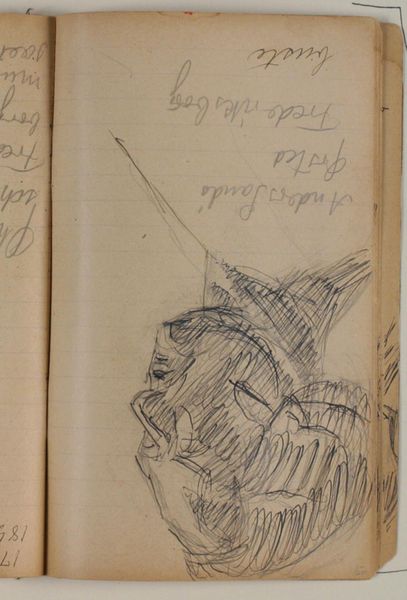
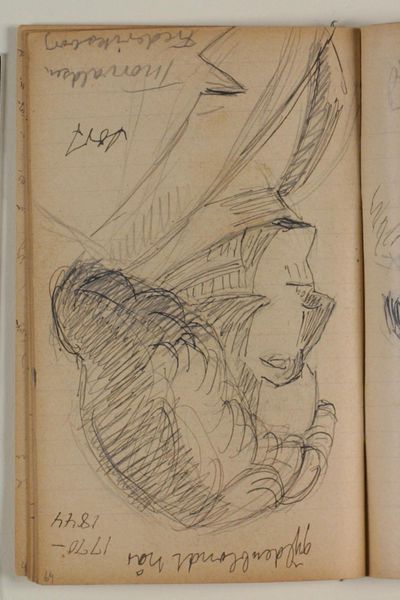
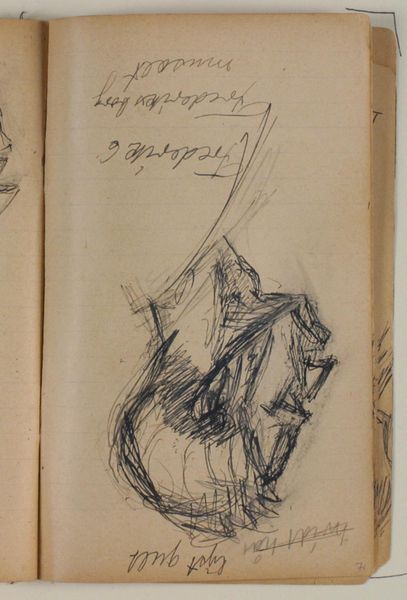
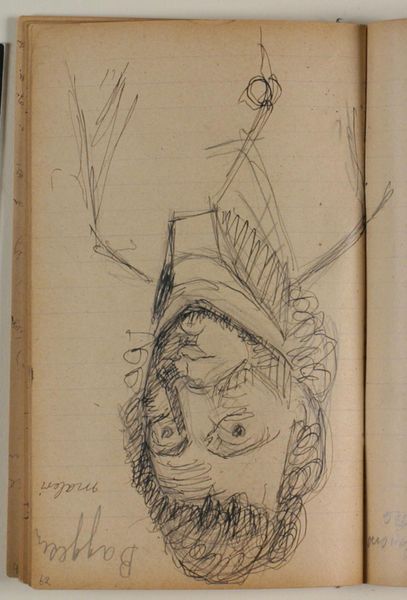
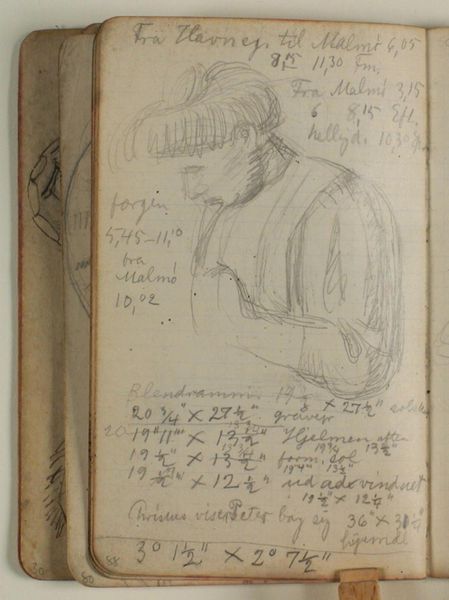
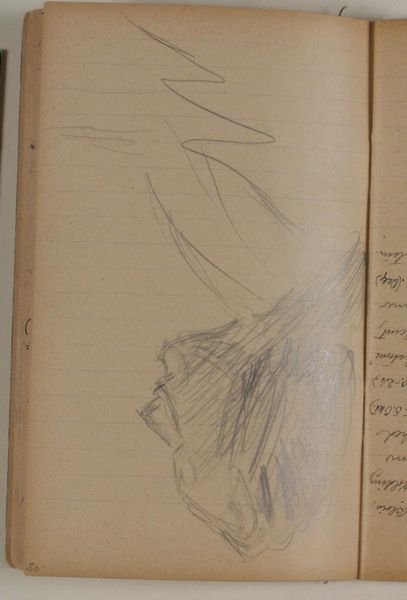
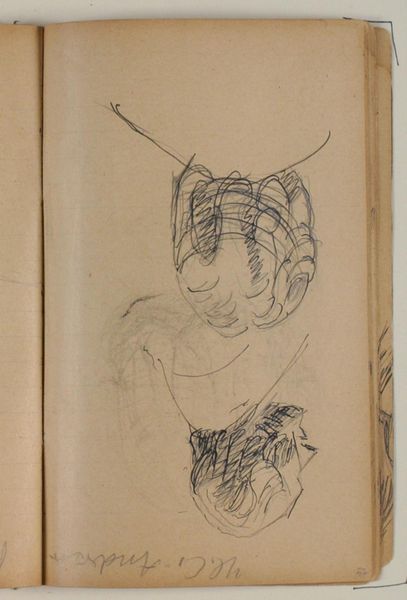
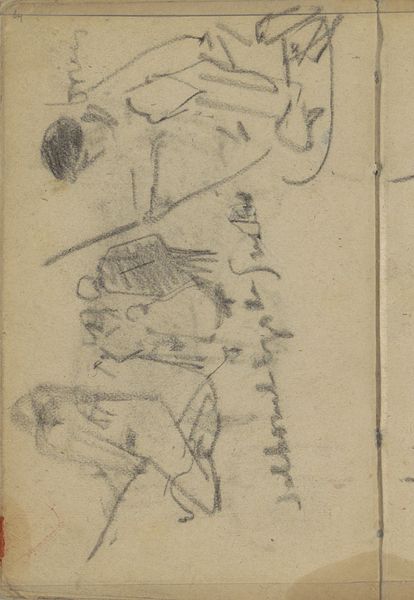
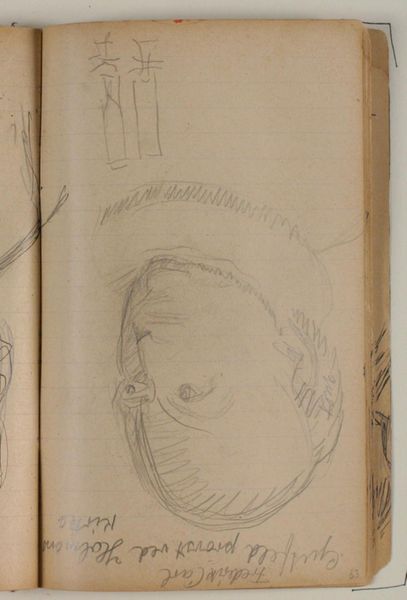
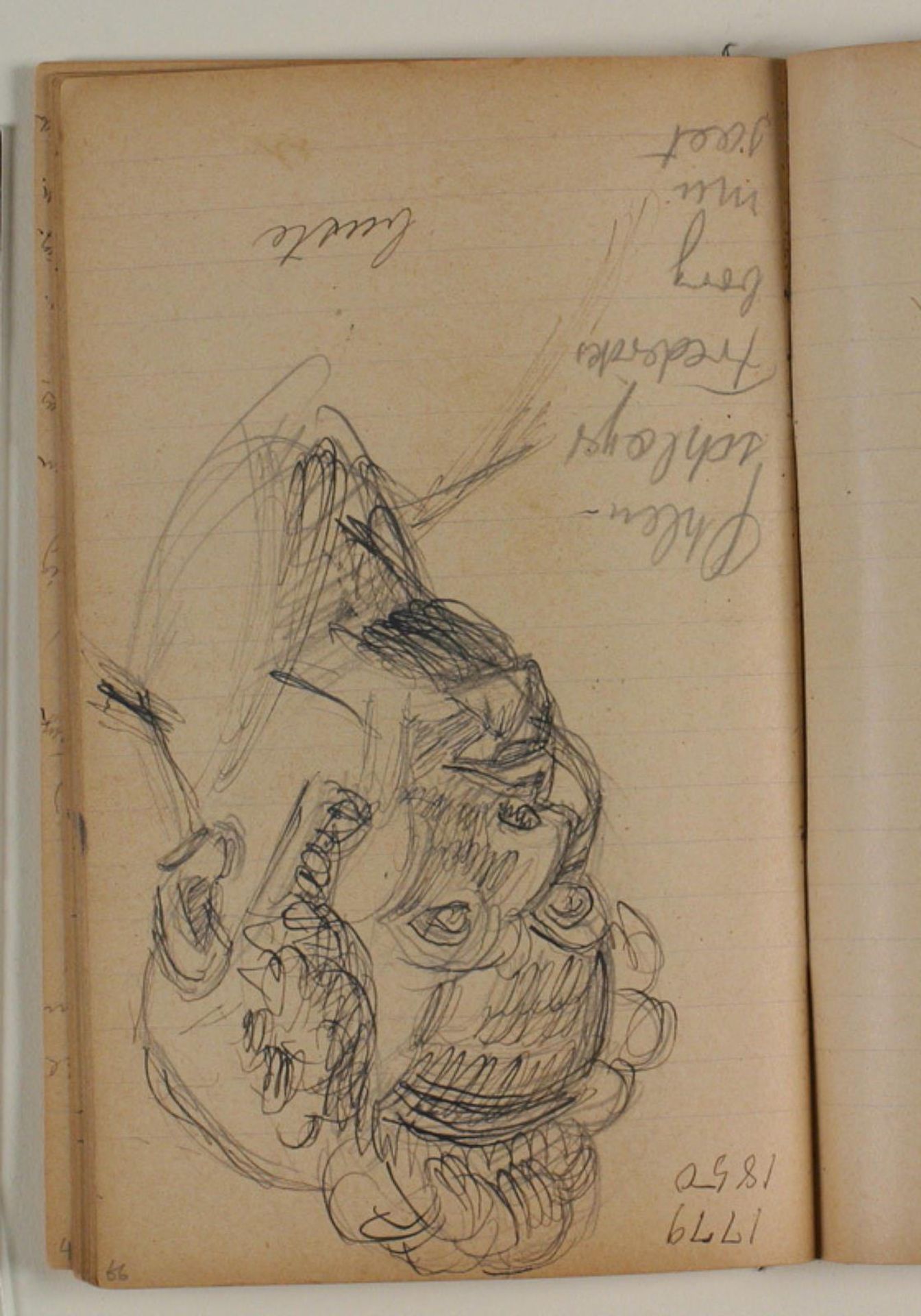
Niels Larsen Stevns created this sketch, “Studie af Adam Oehlenslchläger efter portrætbuste på Frederiksborg”, using graphite to capture the essence of a portrait bust. The sitter, Adam Oehlenschläger, a Danish poet and playwright, is memorialized in stone. Note the laurel wreath crowning his head—a motif harking back to ancient Greece, symbolizing victory, honor, and poetic immortality. This emblem, deeply rooted in classical antiquity, reappears throughout history, adorning emperors, poets, and heroes alike. Originally associated with Apollo, the god of music and poetry, the laurel wreath transcends its literal form to become a potent symbol of aspiration and enduring legacy. The unconscious desire for recognition and remembrance manifests here, bridging the gap between the poet's mortal existence and his lasting impact on the cultural psyche. Through this symbolic wreath, we witness the cyclical nature of cultural memory, where symbols are continually revived, reinterpreted, and imbued with new significance across time.
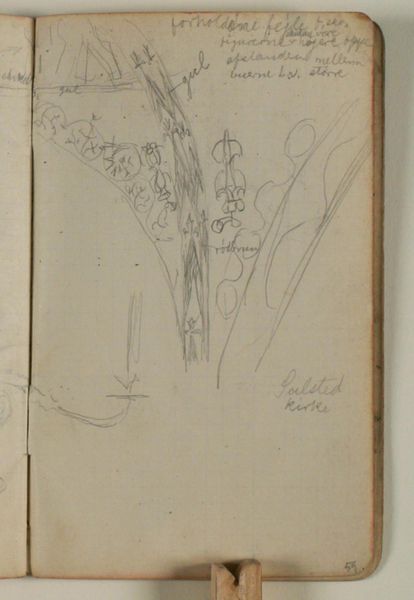
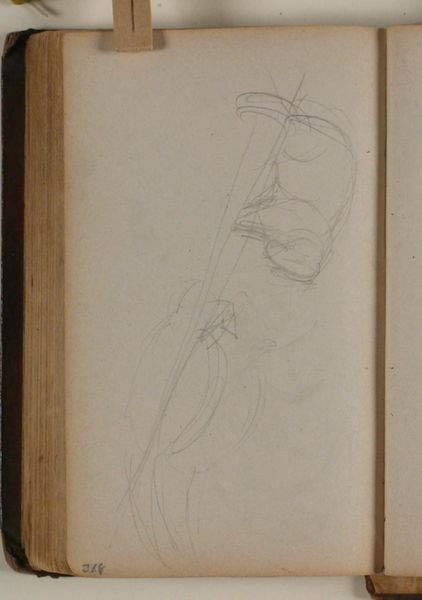
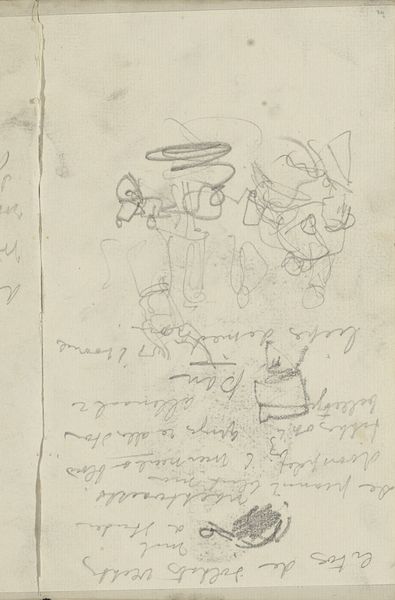
Studie af Adam Oehlenslchläger efter portrætbuste på Frederiksborg 1930 - 1938


Artwork details
- Medium
- drawing, pencil
- Location
- SMK - Statens Museum for Kunst
Tags
portrait
drawing
pencil
academic-art
Comments
No comments
About this artwork
Niels Larsen Stevns created this sketch, “Studie af Adam Oehlenslchläger efter portrætbuste på Frederiksborg”, using graphite to capture the essence of a portrait bust. The sitter, Adam Oehlenschläger, a Danish poet and playwright, is memorialized in stone. Note the laurel wreath crowning his head—a motif harking back to ancient Greece, symbolizing victory, honor, and poetic immortality. This emblem, deeply rooted in classical antiquity, reappears throughout history, adorning emperors, poets, and heroes alike. Originally associated with Apollo, the god of music and poetry, the laurel wreath transcends its literal form to become a potent symbol of aspiration and enduring legacy. The unconscious desire for recognition and remembrance manifests here, bridging the gap between the poet's mortal existence and his lasting impact on the cultural psyche. Through this symbolic wreath, we witness the cyclical nature of cultural memory, where symbols are continually revived, reinterpreted, and imbued with new significance across time.
Comments
No comments