About this artwork
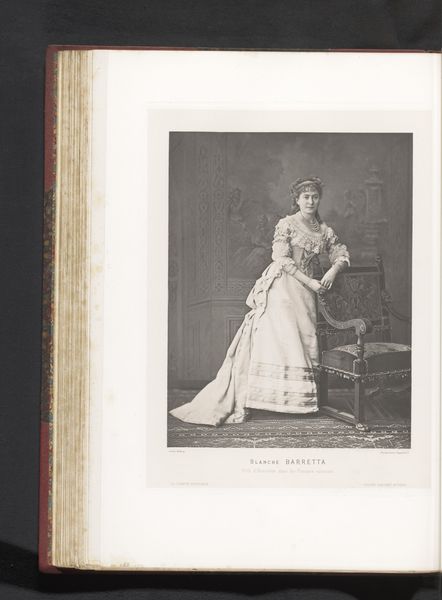
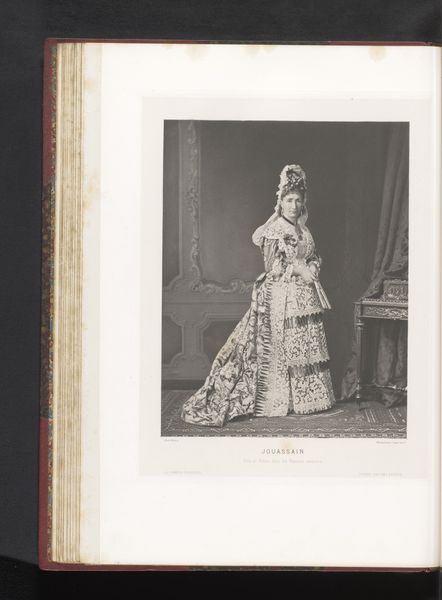
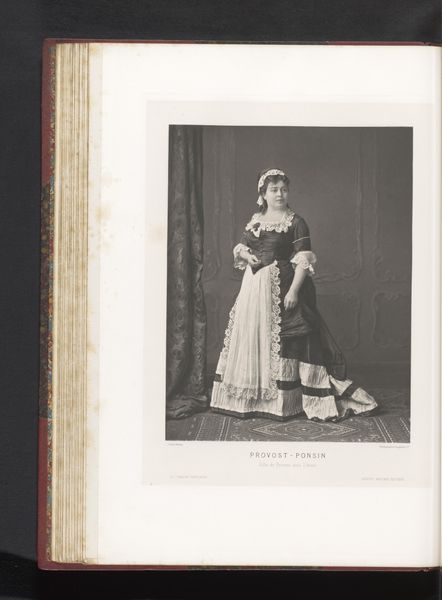
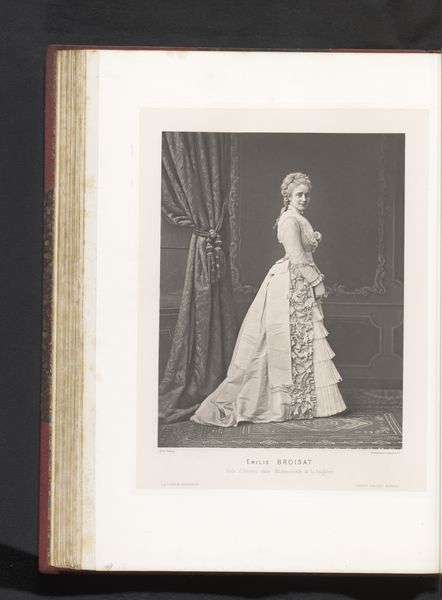
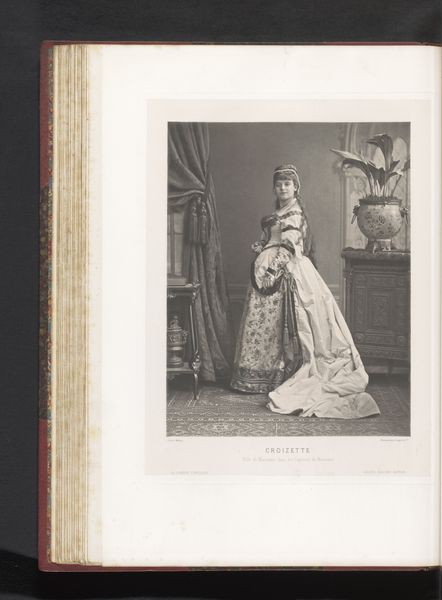
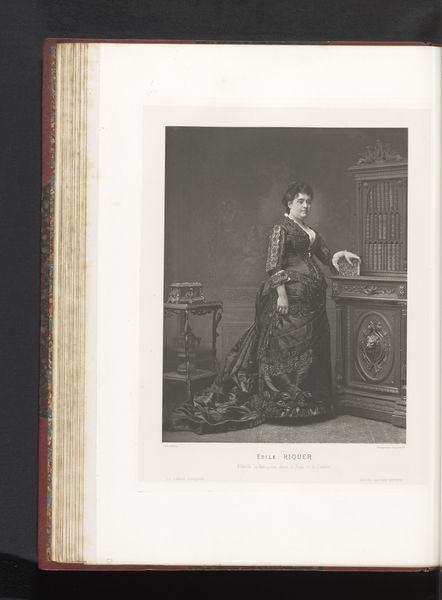
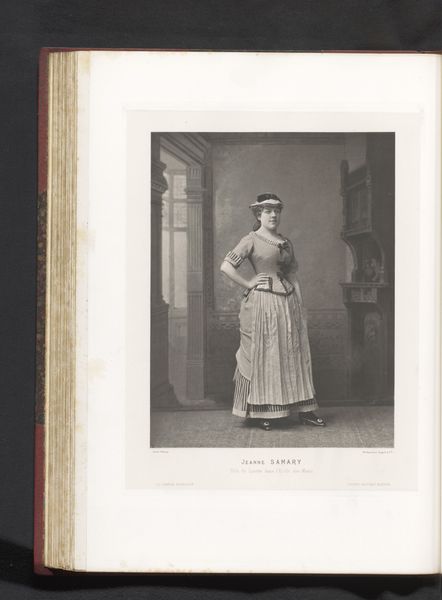
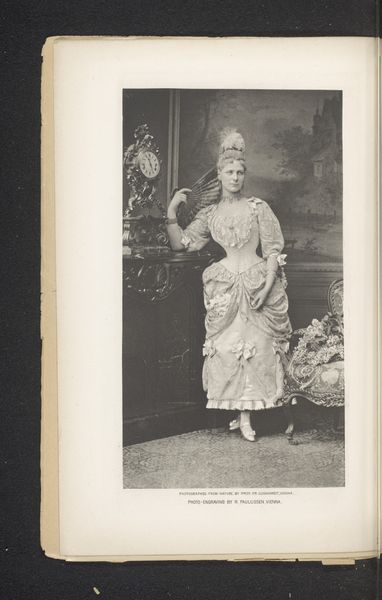
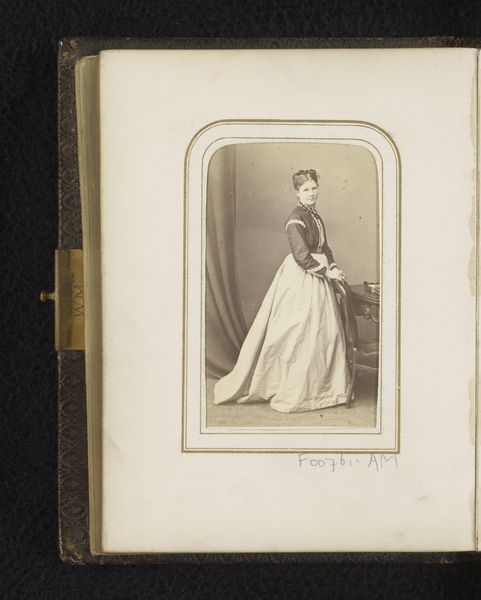
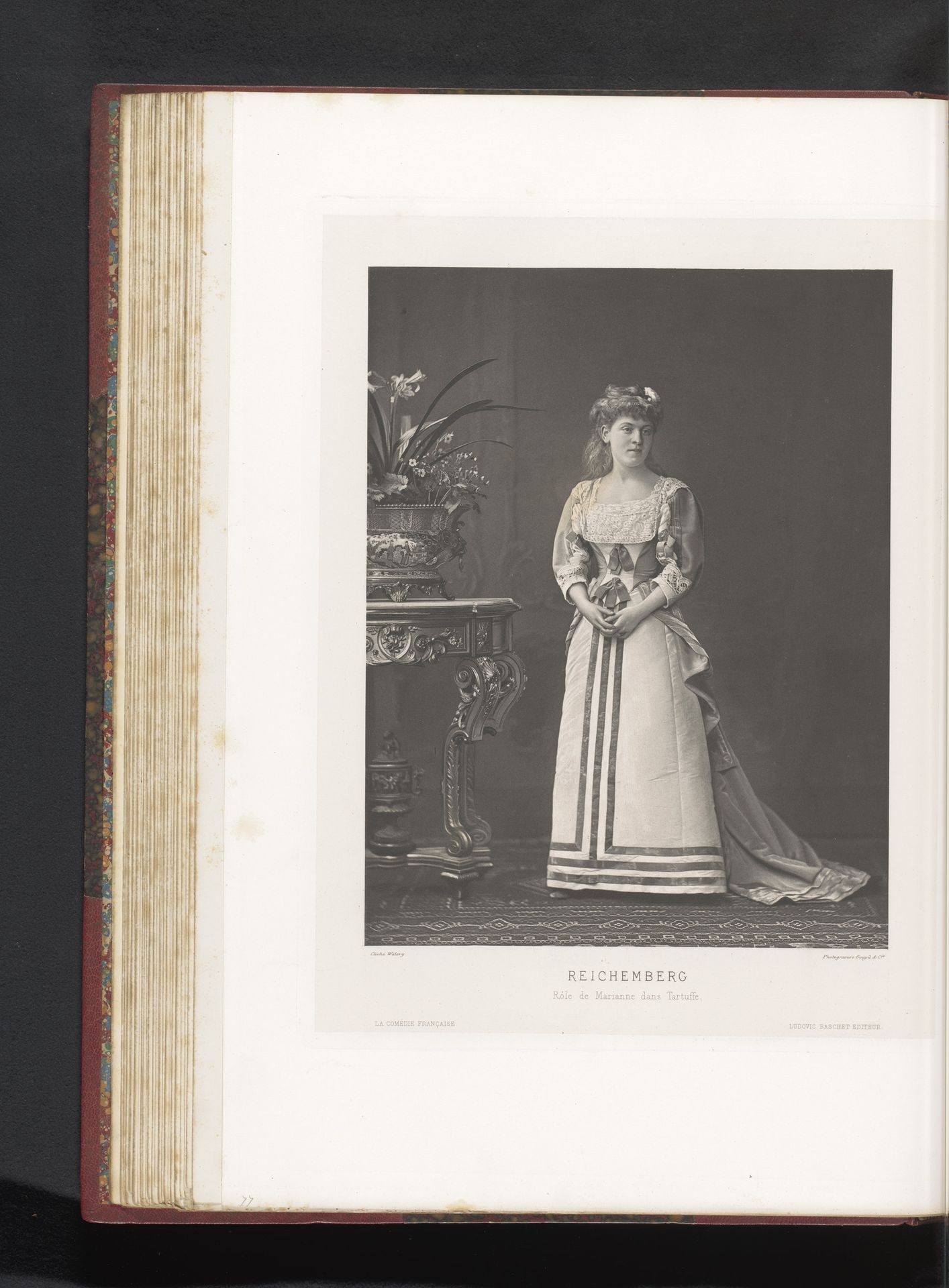
This anonymous print portrays Angélique-Charlotte-Suzanne Reichemberg in the role of Marianne in Tartuffe. Theatre in 19th-century France wasn't just entertainment; it was a public forum where social norms were debated and challenged. Molière's "Tartuffe," a satirical play about religious hypocrisy, embodies this. The play itself caused enormous controversy when it was first performed. Reichemberg, a leading actress of the time, takes on the role of Marianne, a young woman trapped in a forced marriage, representing the struggles of women within the societal structures of the time. Prints like these helped to popularize theatre and actors outside of Paris. Through them, theatre became accessible to a wider audience and helped to cement the fame of actors. By exploring the archives of theatrical history, we can better understand not only the play’s meaning but also its social and cultural impact. The history of art lies as much in the archives as it does on the walls of a museum.
Portret van Angélique-Charlotte-Suzanne Reichemberg in de rol van Marianne in Tartuffe
before 1880

Anonymous
@anonymousLocation
RijksmuseumArtwork details
- Medium
- print, paper, photography
- Dimensions
- height 258 mm, width 206 mm
- Location
- Rijksmuseum
- Copyright
- Rijks Museum: Open Domain
Tags
Comments
Share your thoughts
About this artwork
This anonymous print portrays Angélique-Charlotte-Suzanne Reichemberg in the role of Marianne in Tartuffe. Theatre in 19th-century France wasn't just entertainment; it was a public forum where social norms were debated and challenged. Molière's "Tartuffe," a satirical play about religious hypocrisy, embodies this. The play itself caused enormous controversy when it was first performed. Reichemberg, a leading actress of the time, takes on the role of Marianne, a young woman trapped in a forced marriage, representing the struggles of women within the societal structures of the time. Prints like these helped to popularize theatre and actors outside of Paris. Through them, theatre became accessible to a wider audience and helped to cement the fame of actors. By exploring the archives of theatrical history, we can better understand not only the play’s meaning but also its social and cultural impact. The history of art lies as much in the archives as it does on the walls of a museum.
Comments
Share your thoughts