About this artwork
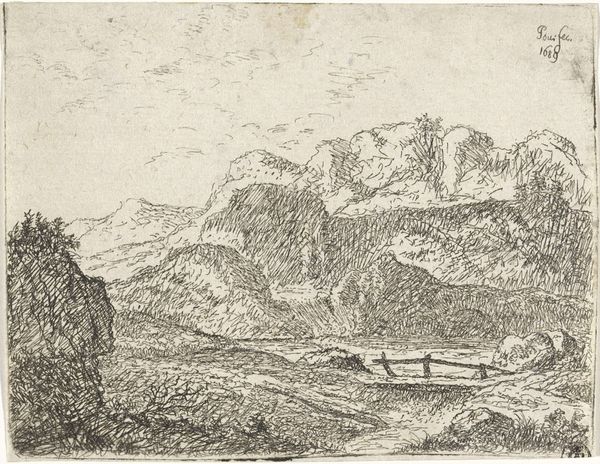
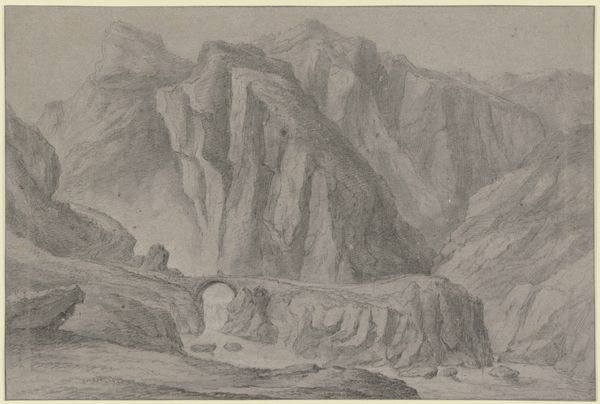
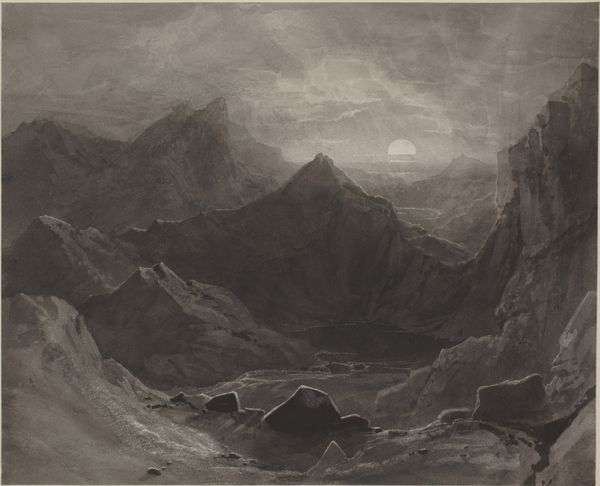
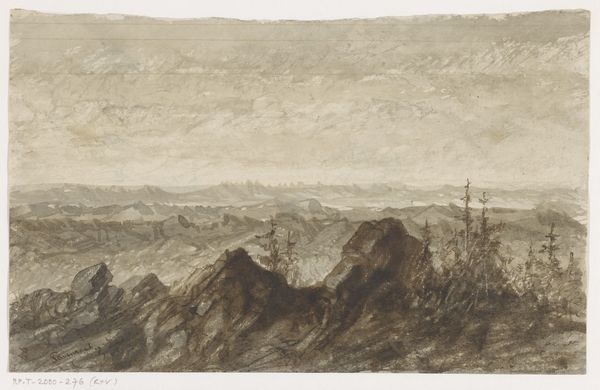
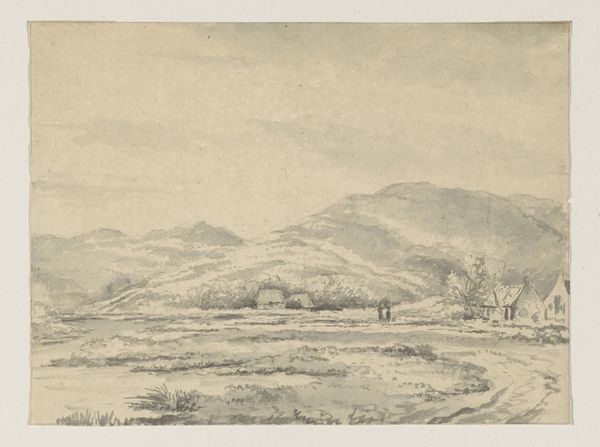
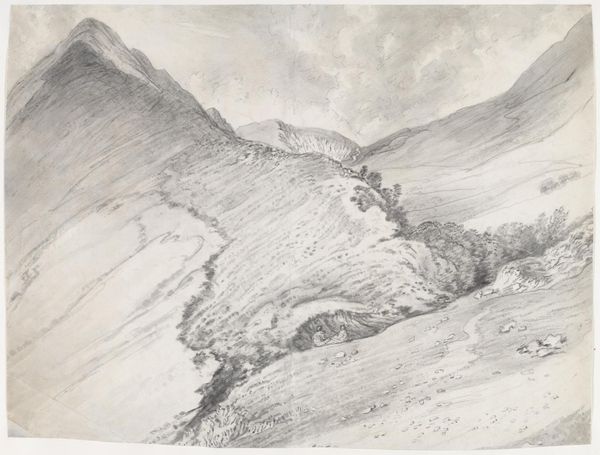
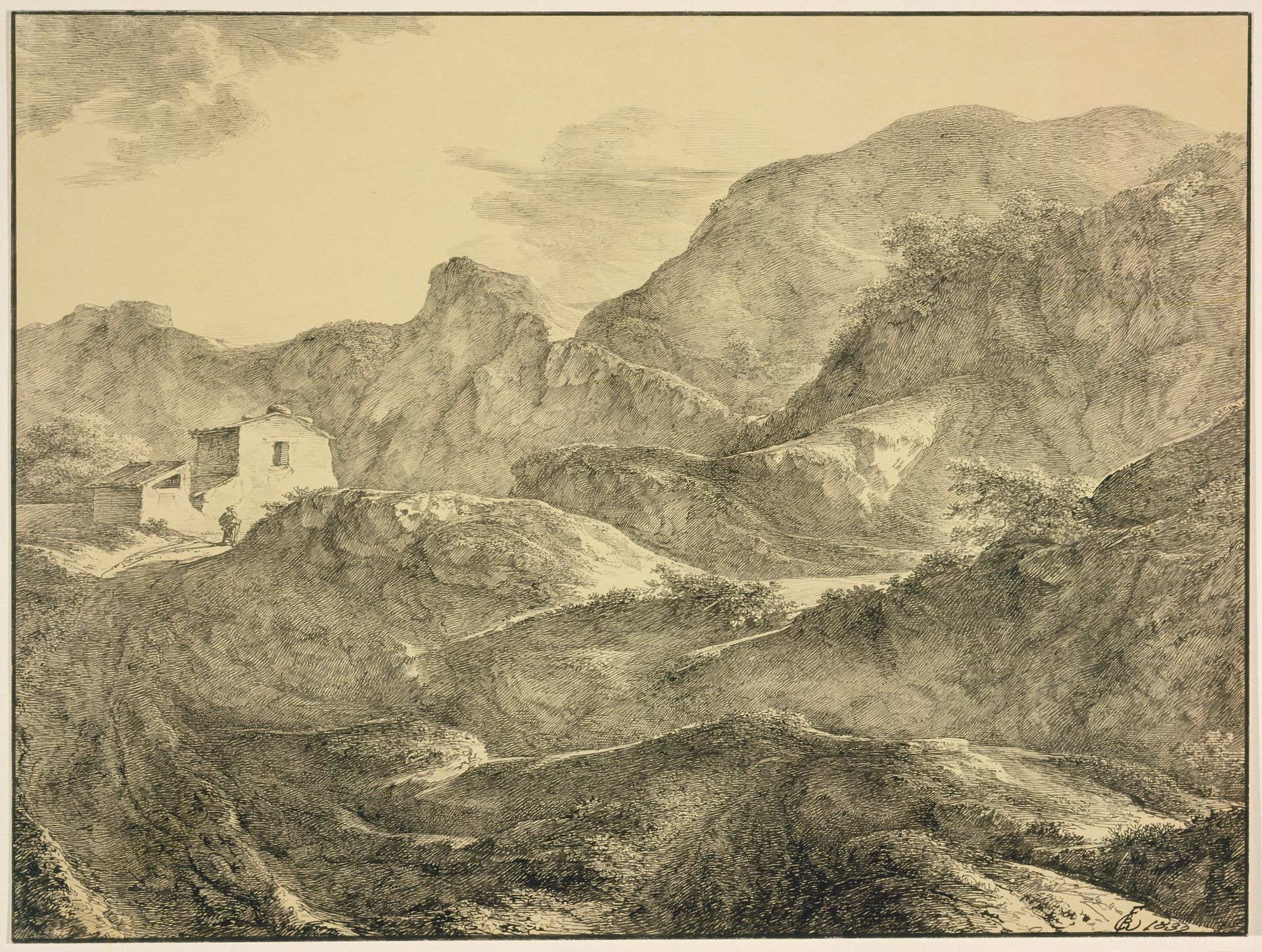
Carl Friedrich von Rumohr made this landscape drawing with pen and ink sometime in the early nineteenth century. He was a German art historian as well as an artist, and his vision of the natural world was deeply informed by his knowledge of art history and its institutions. The drawing portrays an expansive mountain landscape, and a lone wanderer seems dwarfed by its immensity. Thinkers in Germany at the time were fascinated by the idea of the sublime, of nature as an overwhelming force. But we should remember that this idea of the sublime was itself shaped by the social conditions of the time: namely, the growth of cities and industry. This image of rural life is no simple depiction of the countryside, but a potent response to an increasingly urbanized society. By studying Rumohr's extensive writings and the art criticism of his time, we can appreciate how this image engages with the pressing social and cultural issues of nineteenth-century Germany.
Gebirgslandschaft, links ein Haus mit einem Wanderer davor
1832


Artwork details
- Medium
- drawing, etching, ink
- Location
- Städel Museum
- Copyright
- Public Domain
Tags
Comments
Share your thoughts
About this artwork
Carl Friedrich von Rumohr made this landscape drawing with pen and ink sometime in the early nineteenth century. He was a German art historian as well as an artist, and his vision of the natural world was deeply informed by his knowledge of art history and its institutions. The drawing portrays an expansive mountain landscape, and a lone wanderer seems dwarfed by its immensity. Thinkers in Germany at the time were fascinated by the idea of the sublime, of nature as an overwhelming force. But we should remember that this idea of the sublime was itself shaped by the social conditions of the time: namely, the growth of cities and industry. This image of rural life is no simple depiction of the countryside, but a potent response to an increasingly urbanized society. By studying Rumohr's extensive writings and the art criticism of his time, we can appreciate how this image engages with the pressing social and cultural issues of nineteenth-century Germany.
Comments
Share your thoughts