About this artwork
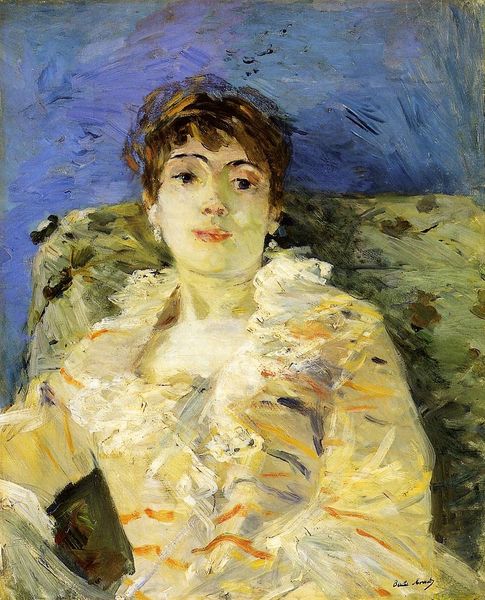
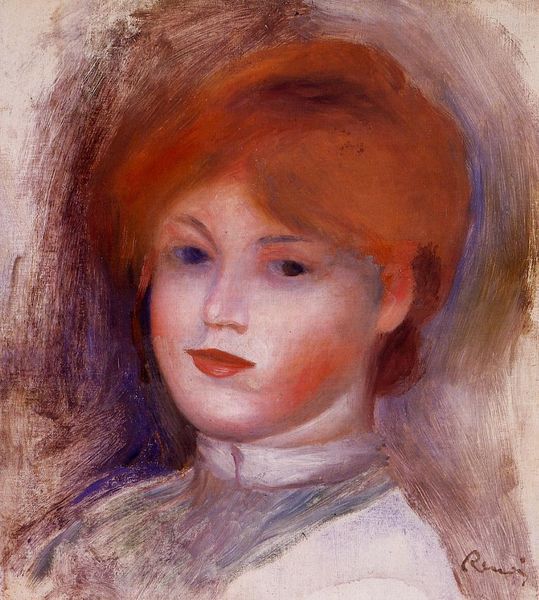
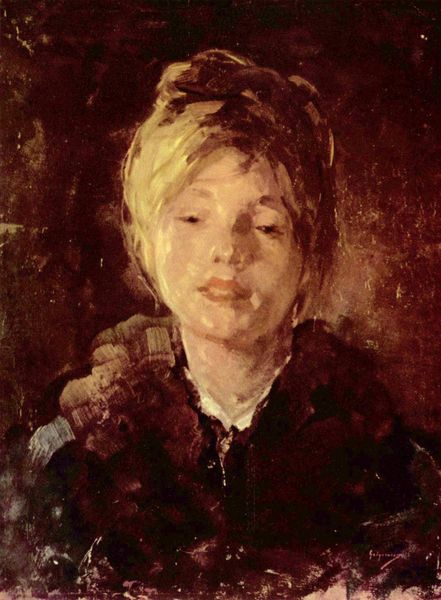
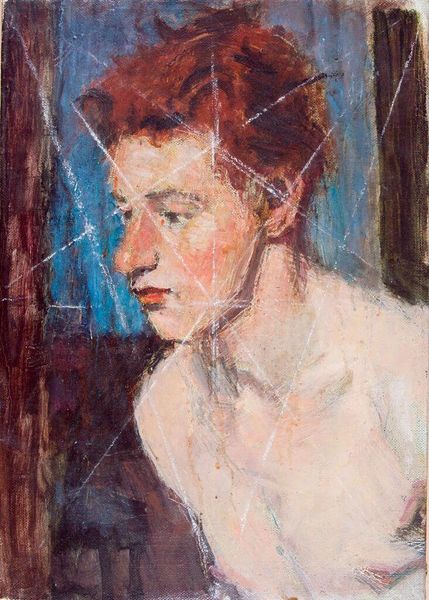
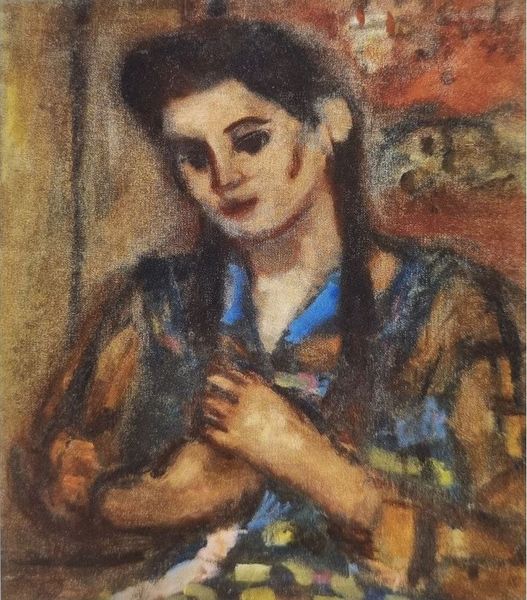
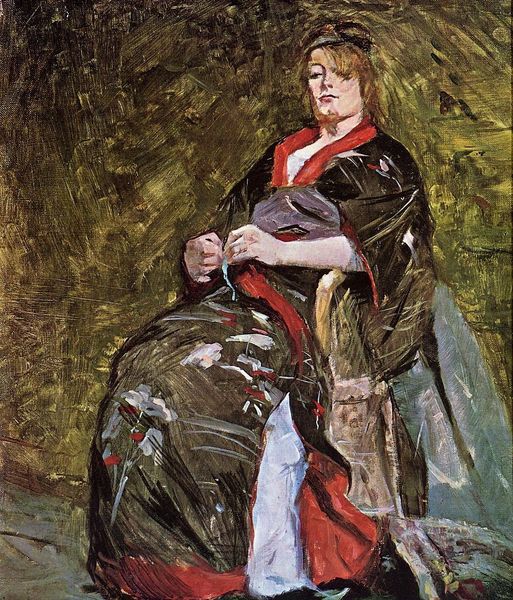
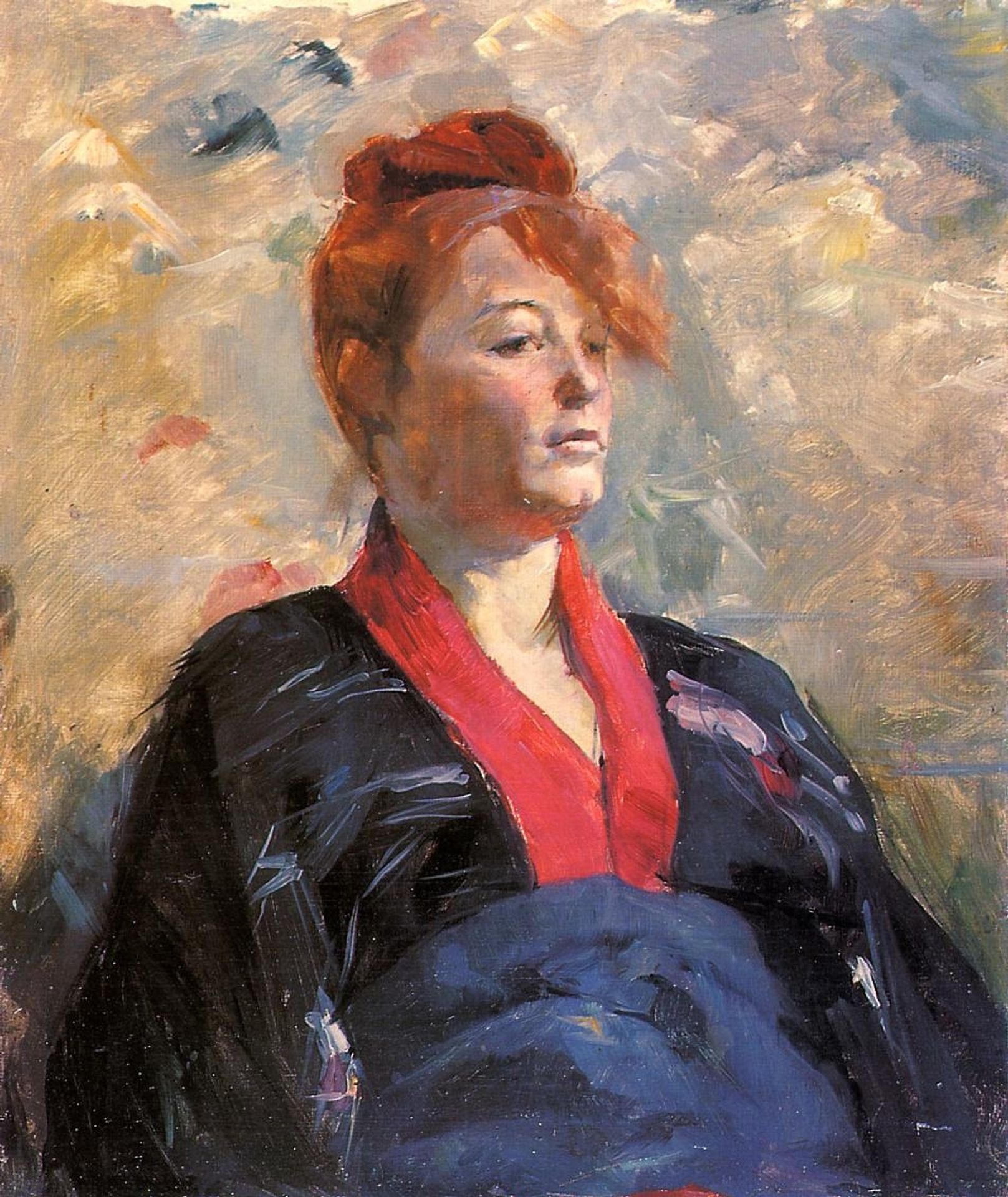
Henri de Toulouse-Lautrec captured Madame Lili Grenier in paint with bold strokes. The kimono, a sartorial symbol, immediately signals the Japonisme craze sweeping fin-de-siècle Paris. But let us look closer: the kimono, adopted by artists and intellectuals, becomes more than fabric. Think of Whistler's "La Princesse du pays de la porcelaine"–the kimono is not just clothing, but an emblem of exoticism. Yet, there is something else here. Consider the flowing robes of ancient Greek statues; the kimono, draped over Madame Grenier, evokes a similar timelessness. Styles may come and go, yet, like an ancient spirit finding new vessels, the kimono resurfaces, each time carrying echoes of the past.

Artwork details
- Medium
- painting, oil-paint
- Location
- Private Collection
- Copyright
- Public domain
Tags
portrait
painting
impressionism
oil-paint
oil painting
intimism
post-impressionism
Comments
No comments
About this artwork
Henri de Toulouse-Lautrec captured Madame Lili Grenier in paint with bold strokes. The kimono, a sartorial symbol, immediately signals the Japonisme craze sweeping fin-de-siècle Paris. But let us look closer: the kimono, adopted by artists and intellectuals, becomes more than fabric. Think of Whistler's "La Princesse du pays de la porcelaine"–the kimono is not just clothing, but an emblem of exoticism. Yet, there is something else here. Consider the flowing robes of ancient Greek statues; the kimono, draped over Madame Grenier, evokes a similar timelessness. Styles may come and go, yet, like an ancient spirit finding new vessels, the kimono resurfaces, each time carrying echoes of the past.
Comments
No comments