About this artwork
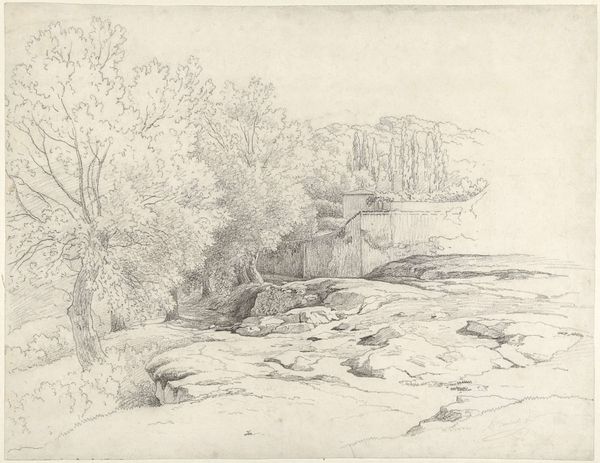
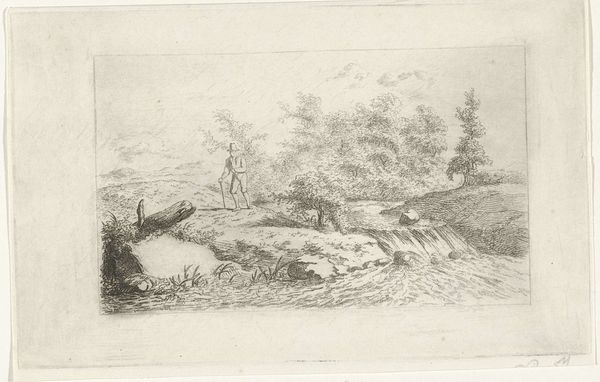
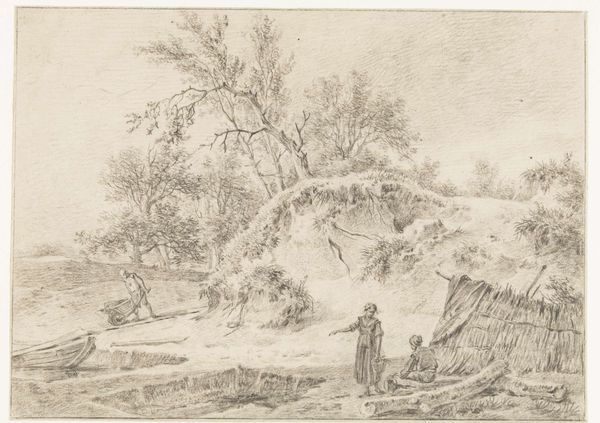
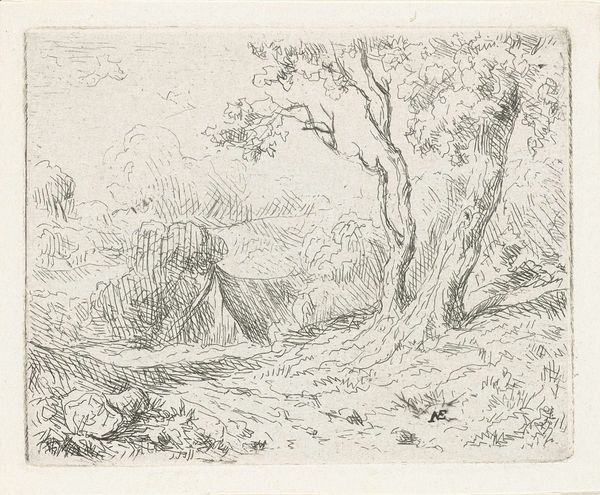
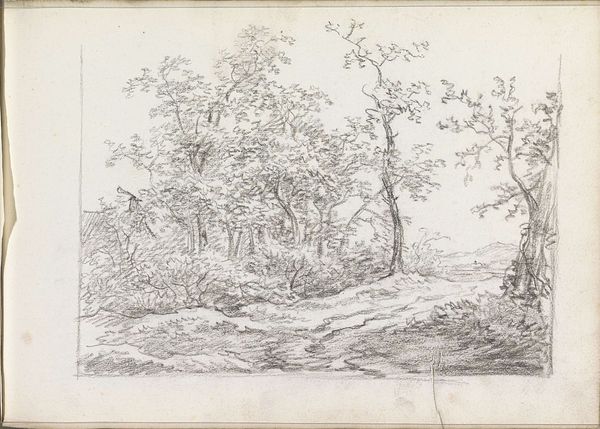
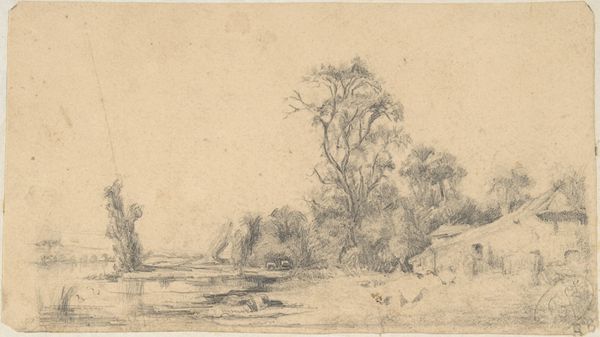
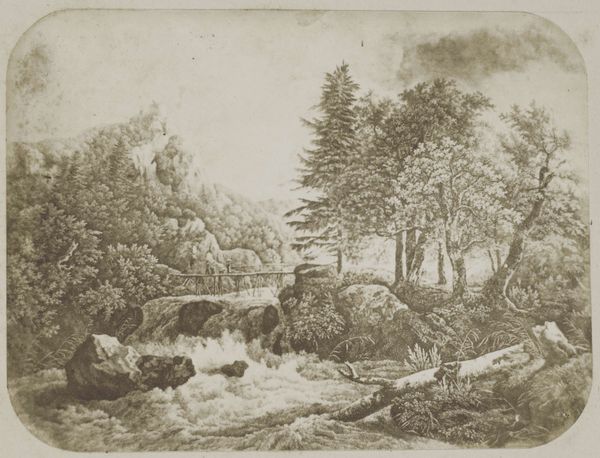
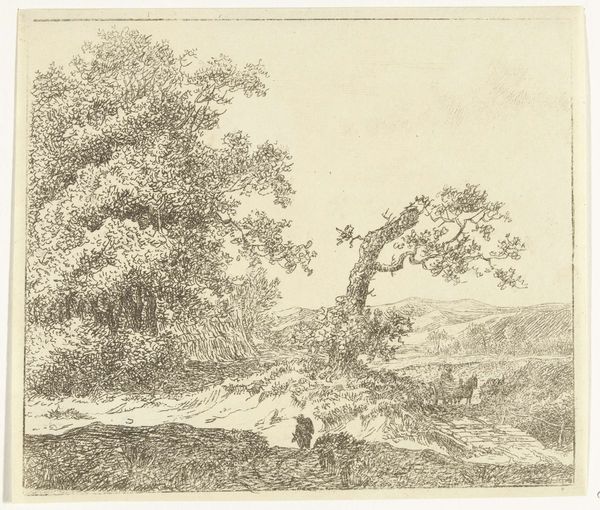
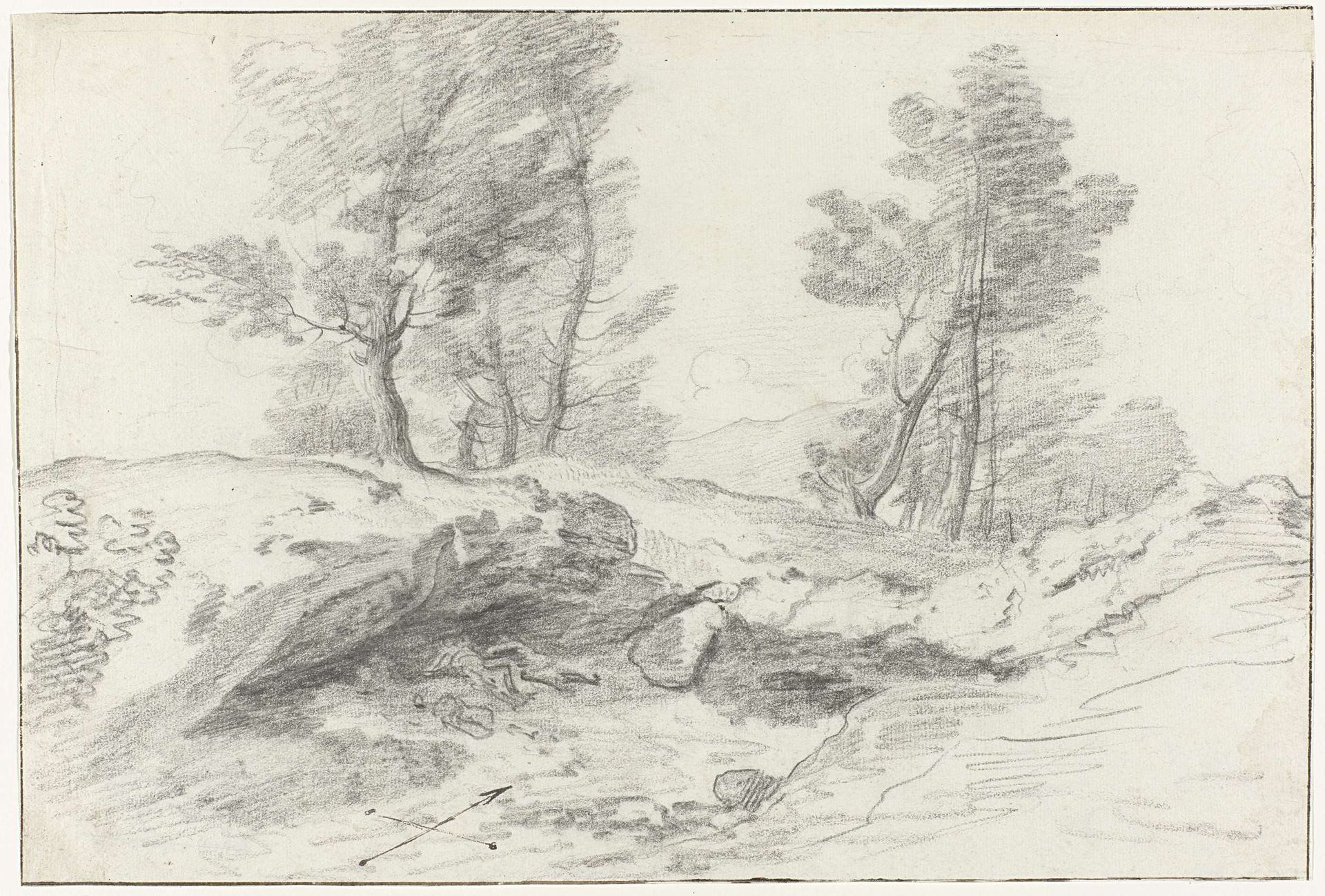
Louis Mayer made this drawing, titled 'Grotte delle Capre aan de grens bij Nemorosa en Fredda,' using pen in gray ink. Mayer's landscape is not simply a depiction of nature, but a window into the cultural values of his time, likely the 18th or early 19th century. The picturesque style, with its emphasis on the beauty of untamed nature, reflects the era's growing appreciation for the sublime and its move away from strictly formal garden landscapes. The very act of sketching en plein air signifies a new relationship between the artist and the environment. This drawing also highlights the increasing importance of travel and exploration in shaping artistic vision. To fully understand Mayer's work, we can delve into travelogues, social histories, and the records of artistic institutions to reveal the complex interplay between art, culture, and society. It’s in this broader context that the drawing's true meaning comes to light.
Grotte delle Capre aan de grens bij Nemorosa en Fredda 1778

Louis Mayer
@louismayerLocation
RijksmuseumArtwork details
- Medium
- drawing, pencil
- Dimensions
- height 195 mm, width 291 mm
- Location
- Rijksmuseum
- Copyright
- Rijks Museum: Open Domain
Tags
drawing
landscape
pencil
pencil work
realism
Comments
No comments
About this artwork
Louis Mayer made this drawing, titled 'Grotte delle Capre aan de grens bij Nemorosa en Fredda,' using pen in gray ink. Mayer's landscape is not simply a depiction of nature, but a window into the cultural values of his time, likely the 18th or early 19th century. The picturesque style, with its emphasis on the beauty of untamed nature, reflects the era's growing appreciation for the sublime and its move away from strictly formal garden landscapes. The very act of sketching en plein air signifies a new relationship between the artist and the environment. This drawing also highlights the increasing importance of travel and exploration in shaping artistic vision. To fully understand Mayer's work, we can delve into travelogues, social histories, and the records of artistic institutions to reveal the complex interplay between art, culture, and society. It’s in this broader context that the drawing's true meaning comes to light.
Comments
No comments