About this artwork
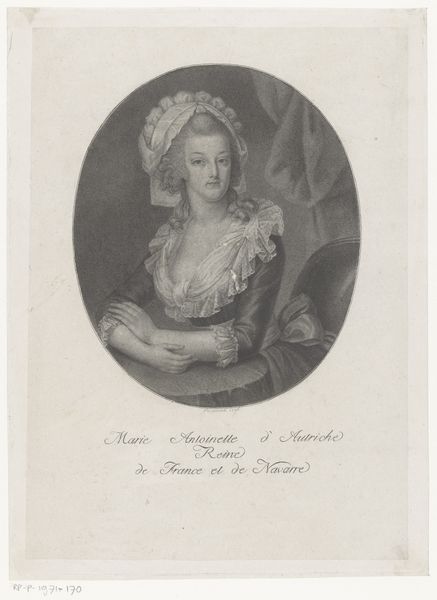
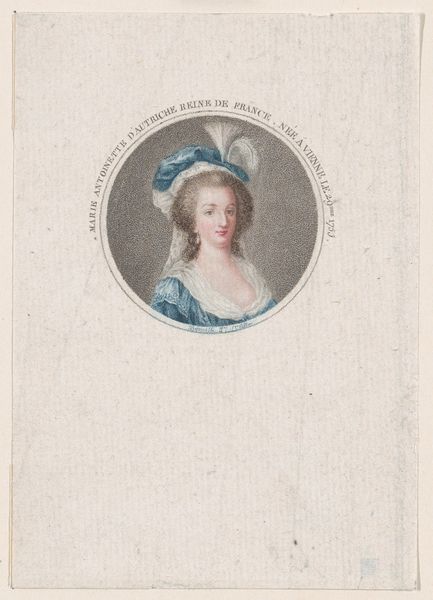
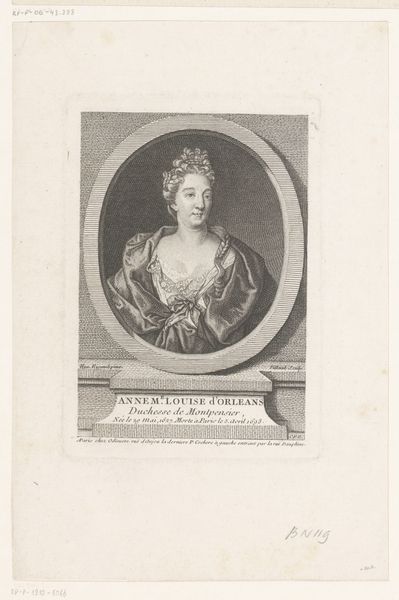
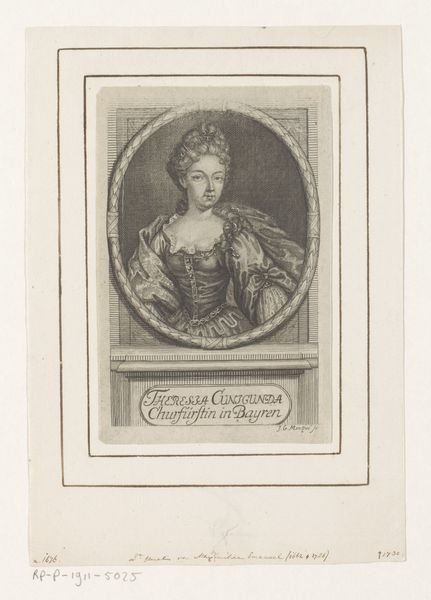
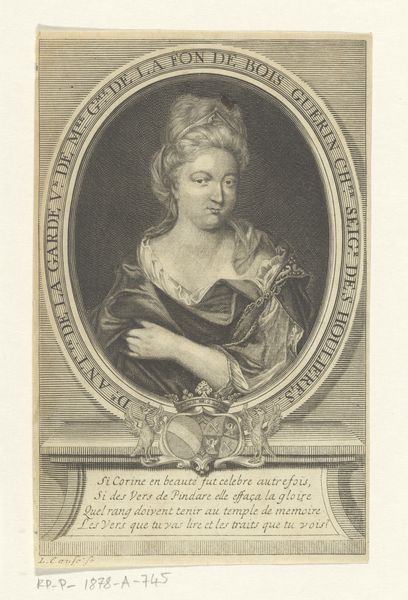
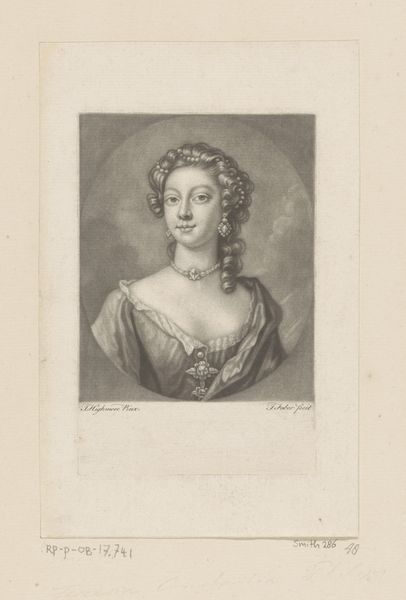
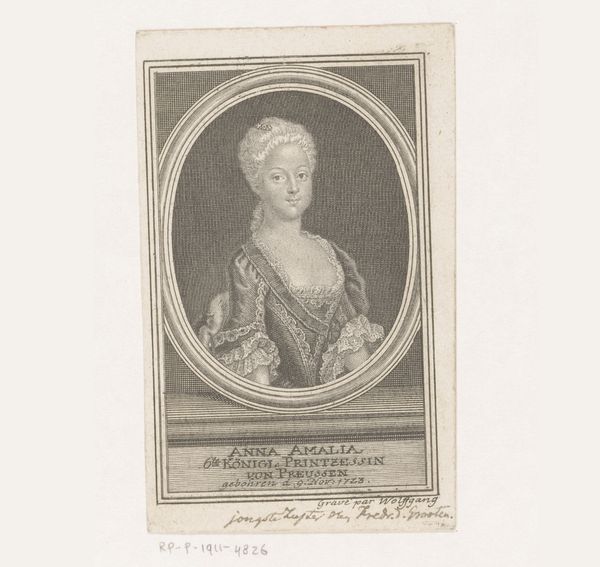
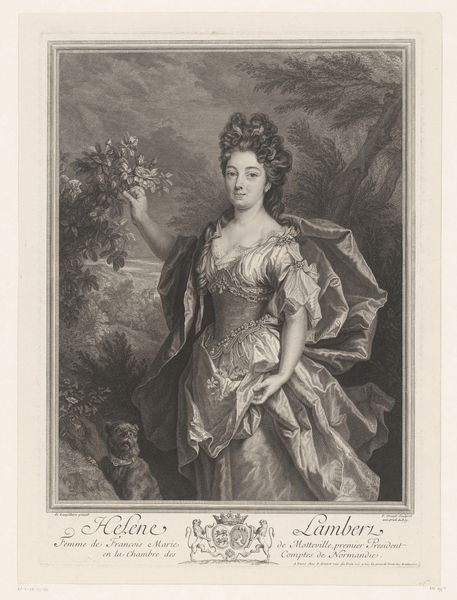
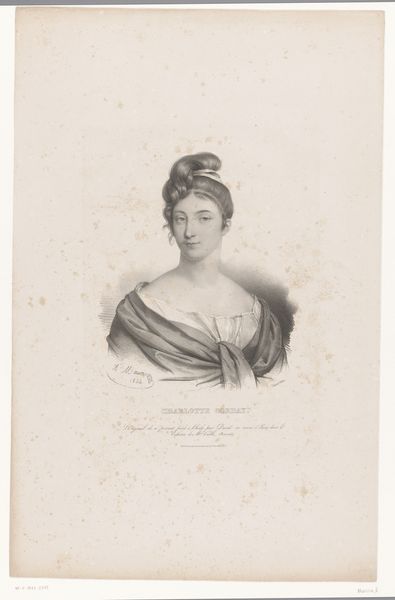
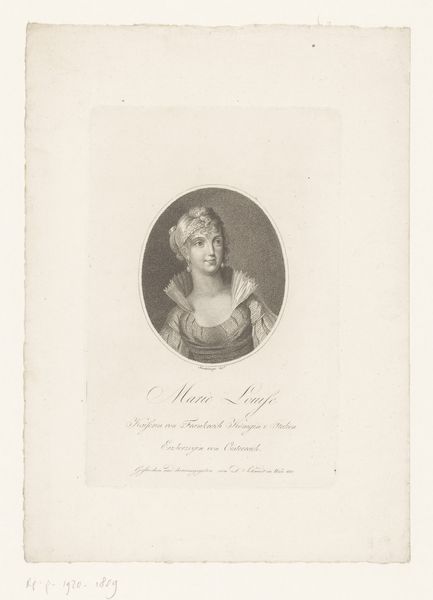
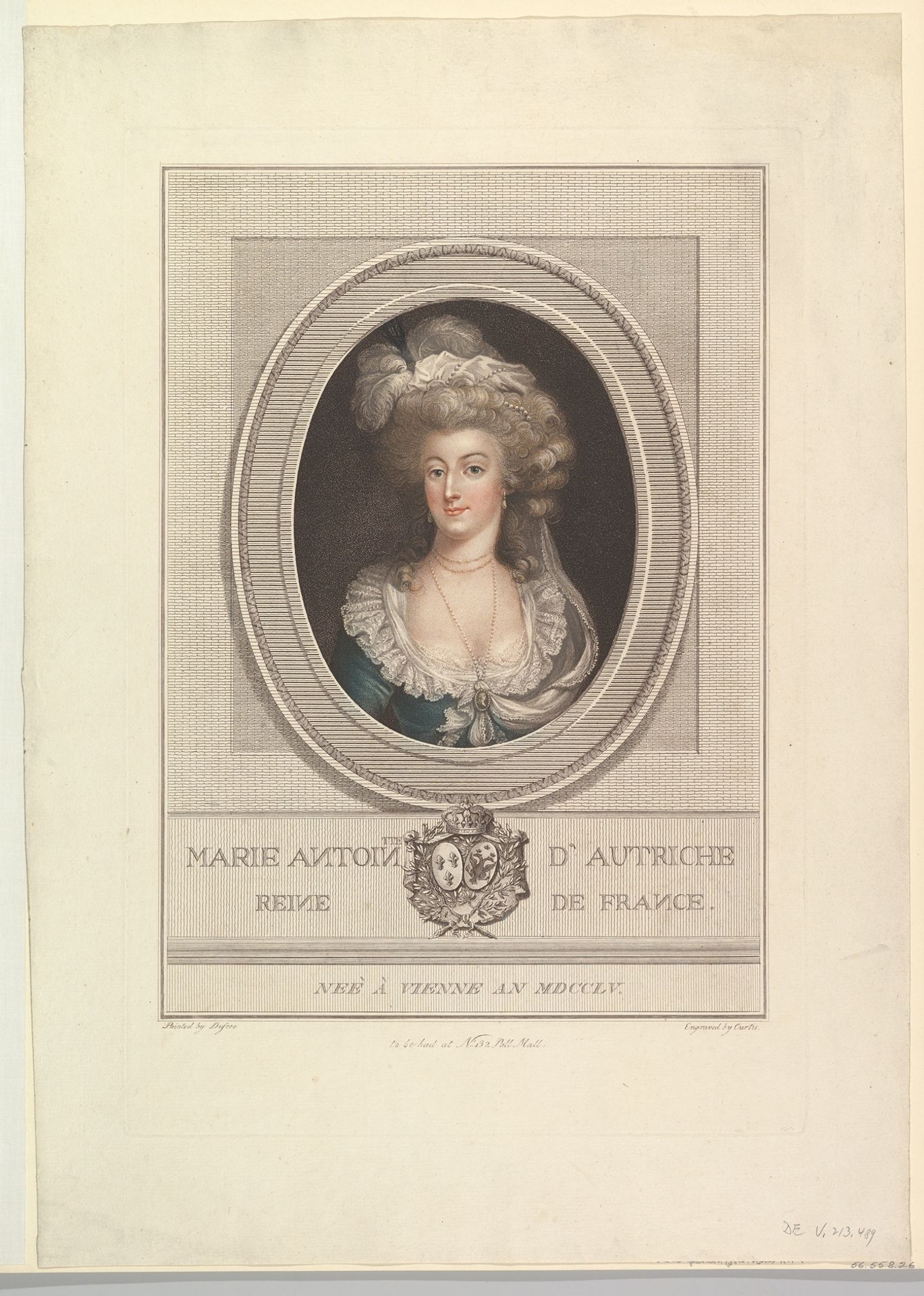
John Curtis created this print of Marie Antoinette towards the end of the 18th century. It captures the Queen of France, a figure whose image was both celebrated and reviled during the tumultuous years leading up to the French Revolution. Consider how Marie Antoinette, an Austrian princess by birth, became a symbol of aristocratic excess and detachment from the suffering of the French people. This portrait, with its ornate detail and emphasis on her status, reflects the visual language used to construct and disseminate her identity. The print invites us to think about the power of representation. Does it perpetuate the myth of Marie Antoinette as an extravagant, out-of-touch ruler? Or does it offer a glimpse into the complex role she played as a woman in a position of immense power, during a time of radical social and political upheaval? It serves as a potent reminder of the intersection between personal identity, political power, and the narratives that history chooses to remember.
Portrait of Marie Antoinette
1786 - 1800


Artwork details
- Medium
- drawing, print, engraving
- Dimensions
- plate: 17 5/16 x 11 3/4 in. (44 x 29.8 cm) sheet: 21 1/4 x 15 1/16 in. (54 x 38.2 cm)
- Location
- Metropolitan Museum of Art, New York, NY
- Copyright
- Public Domain
Tags
Comments
Share your thoughts
About this artwork
John Curtis created this print of Marie Antoinette towards the end of the 18th century. It captures the Queen of France, a figure whose image was both celebrated and reviled during the tumultuous years leading up to the French Revolution. Consider how Marie Antoinette, an Austrian princess by birth, became a symbol of aristocratic excess and detachment from the suffering of the French people. This portrait, with its ornate detail and emphasis on her status, reflects the visual language used to construct and disseminate her identity. The print invites us to think about the power of representation. Does it perpetuate the myth of Marie Antoinette as an extravagant, out-of-touch ruler? Or does it offer a glimpse into the complex role she played as a woman in a position of immense power, during a time of radical social and political upheaval? It serves as a potent reminder of the intersection between personal identity, political power, and the narratives that history chooses to remember.
Comments
Share your thoughts