About this artwork
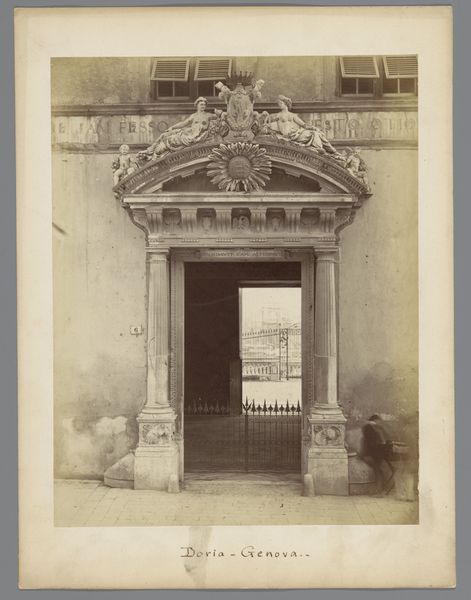
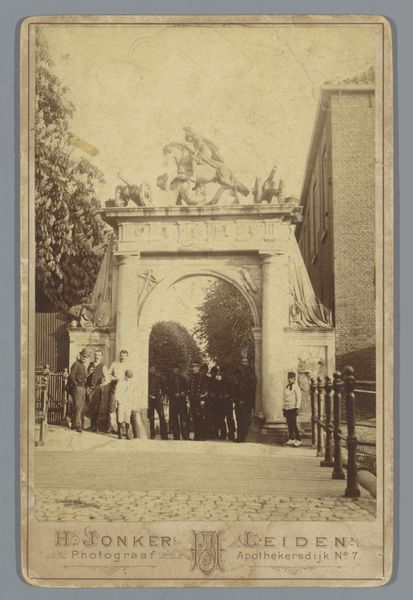
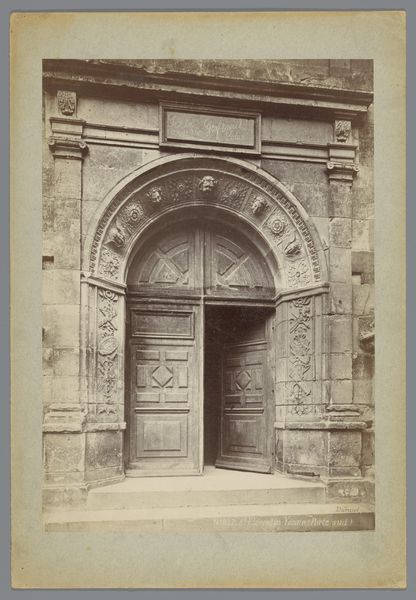
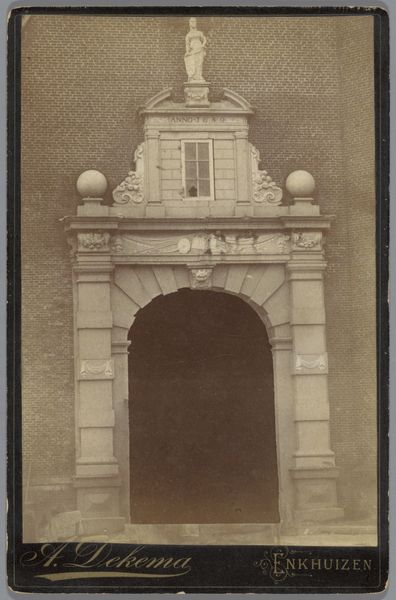
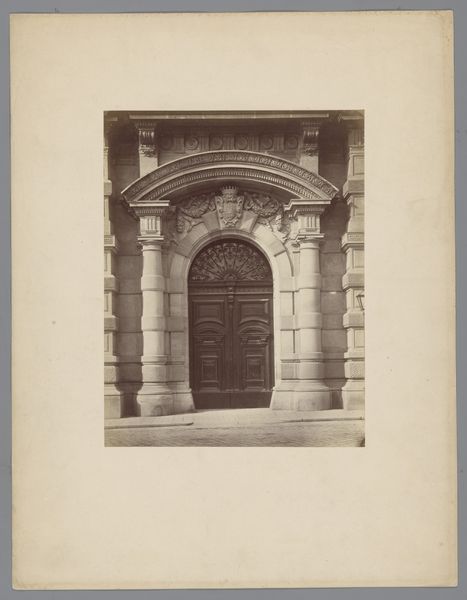
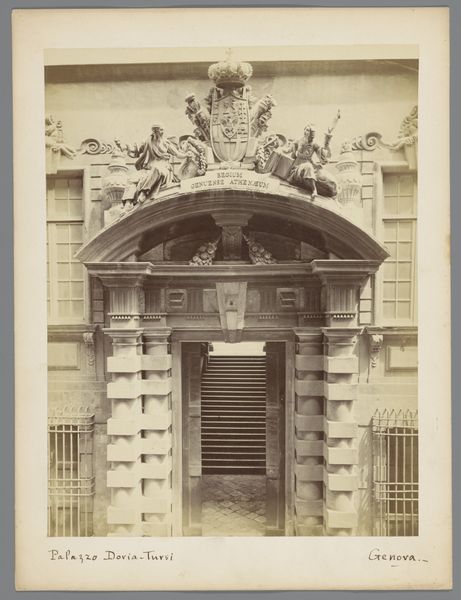
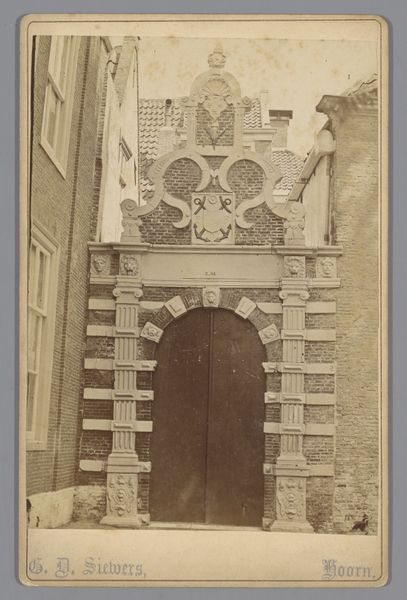
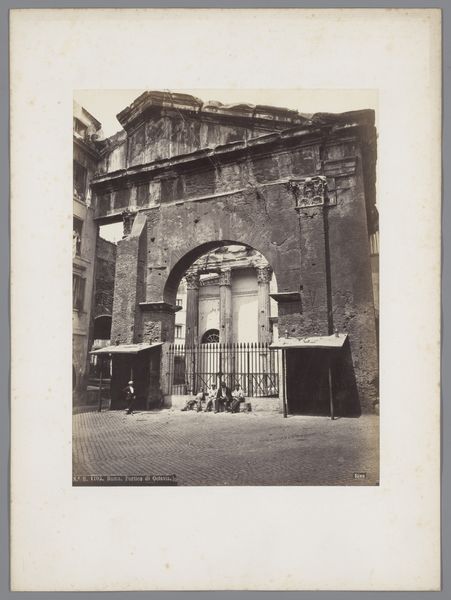
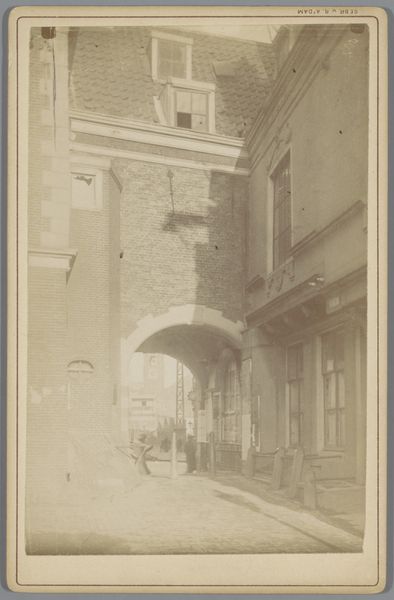
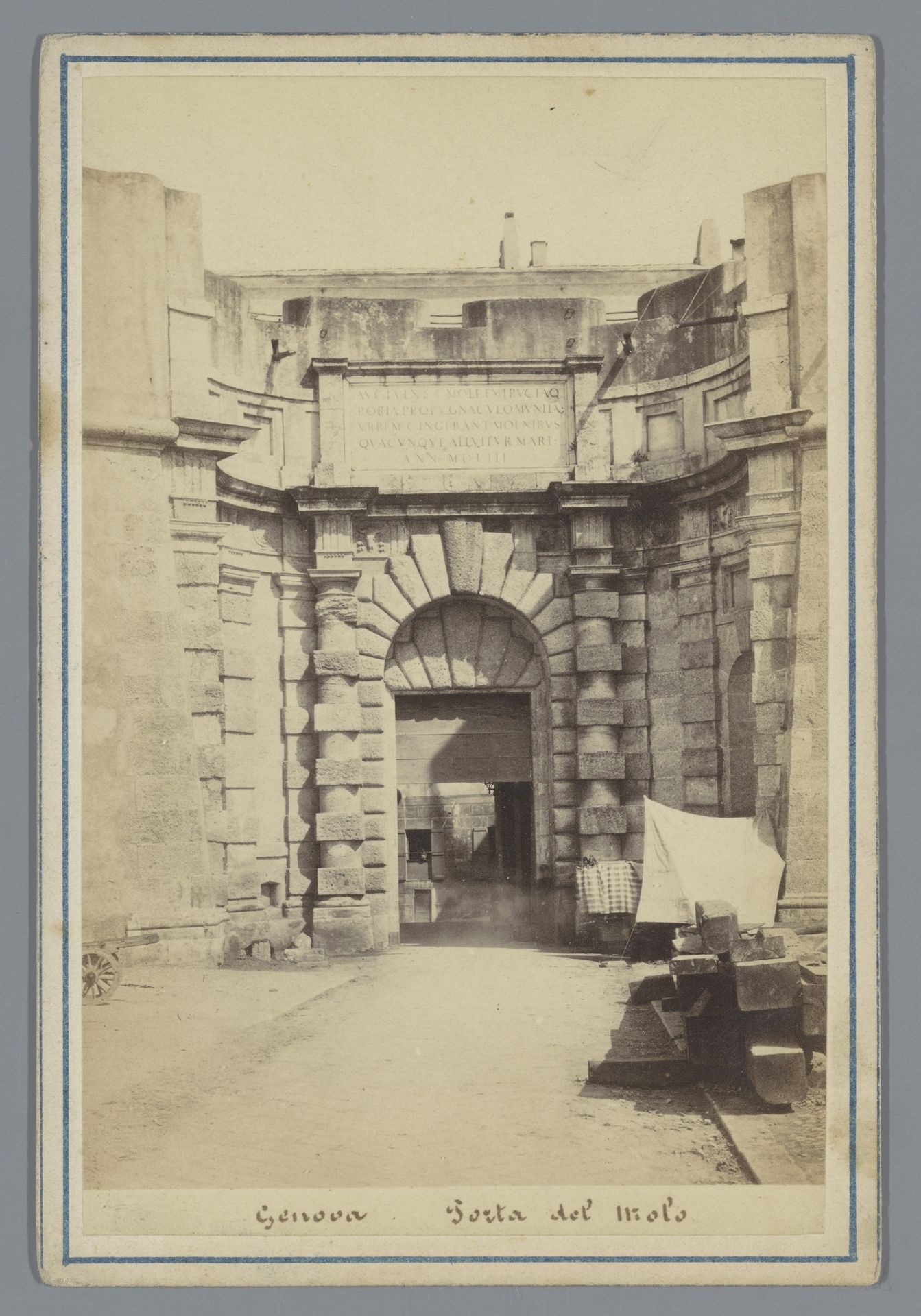
Celestino Degoix made this albumen print of the Porta del Molo in Genoa, Italy sometime in the mid-19th century. This image provides insight into the 19th-century perception and representation of historical landmarks. The photograph captures the Porta del Molo not merely as a physical structure, but as a symbol of Genoa's rich maritime history and trade power. The inclusion of everyday commercial activities around the gate suggests a negotiation between the monument's historical significance and its contemporary function. Consider the role photography played in shaping public memory and national identity during this period. Images like this were circulated widely, contributing to a collective understanding of Italian heritage and the importance of preserving it amid rapid social and economic changes. To understand it better, you might research the history of Genoa as a mercantile republic, the development of photography as a tool for documentation and preservation, and the cultural politics of heritage in 19th-century Italy.

Artwork details
- Medium
- photography, gelatin-silver-print
- Dimensions
- height 164 mm, width 110 mm
- Copyright
- Rijks Museum: Open Domain
Tags
photography
gelatin-silver-print
cityscape
italian-renaissance
Comments
Be the first to share your thoughts about this work.
About this artwork
Celestino Degoix made this albumen print of the Porta del Molo in Genoa, Italy sometime in the mid-19th century. This image provides insight into the 19th-century perception and representation of historical landmarks. The photograph captures the Porta del Molo not merely as a physical structure, but as a symbol of Genoa's rich maritime history and trade power. The inclusion of everyday commercial activities around the gate suggests a negotiation between the monument's historical significance and its contemporary function. Consider the role photography played in shaping public memory and national identity during this period. Images like this were circulated widely, contributing to a collective understanding of Italian heritage and the importance of preserving it amid rapid social and economic changes. To understand it better, you might research the history of Genoa as a mercantile republic, the development of photography as a tool for documentation and preservation, and the cultural politics of heritage in 19th-century Italy.
Comments
Be the first to share your thoughts about this work.