c. 1832 - 1900
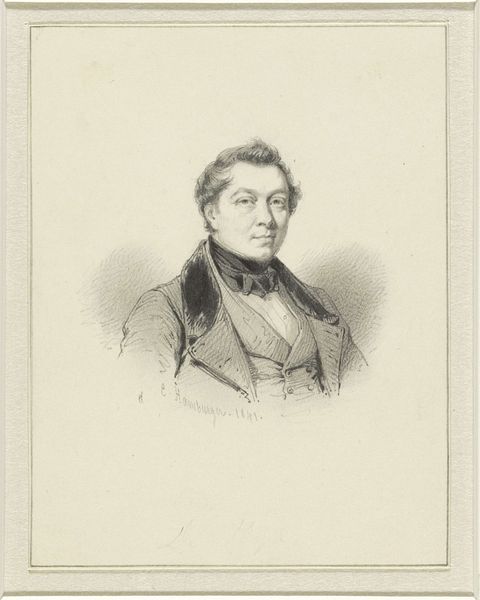
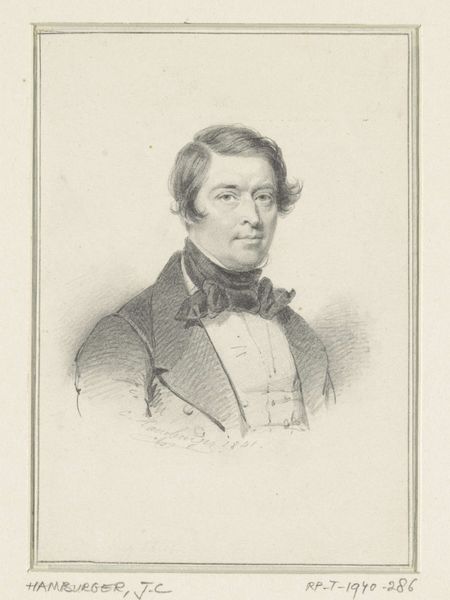
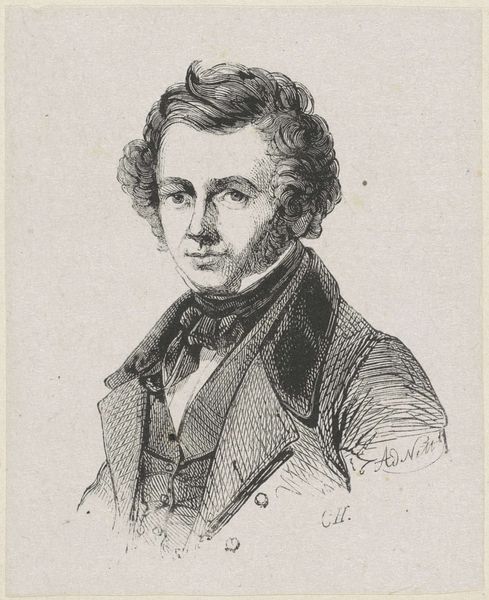
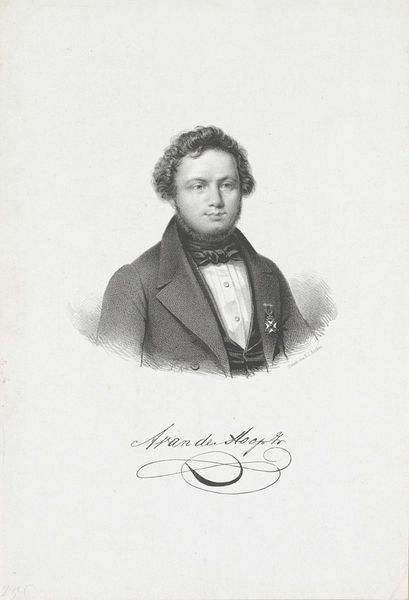
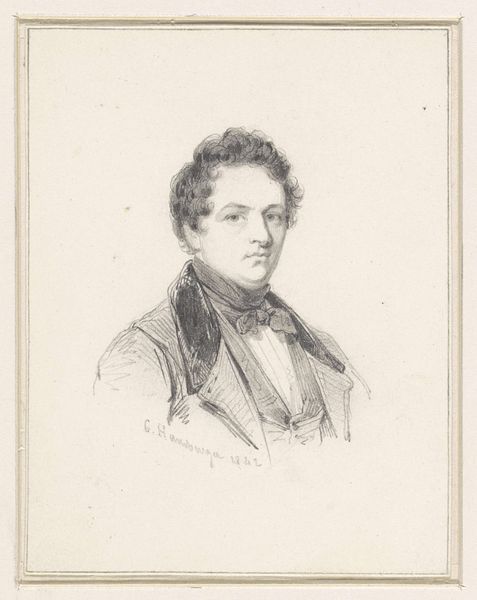
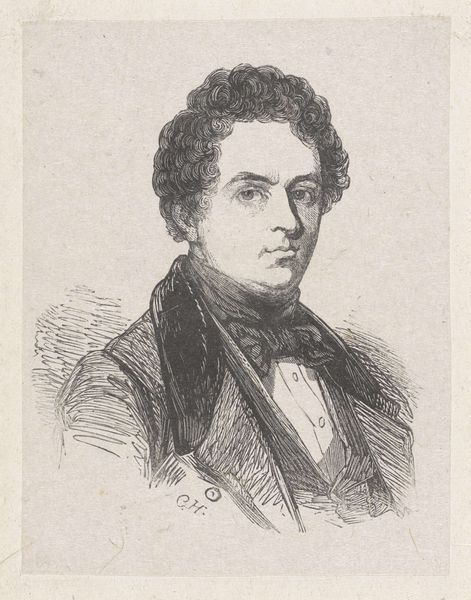
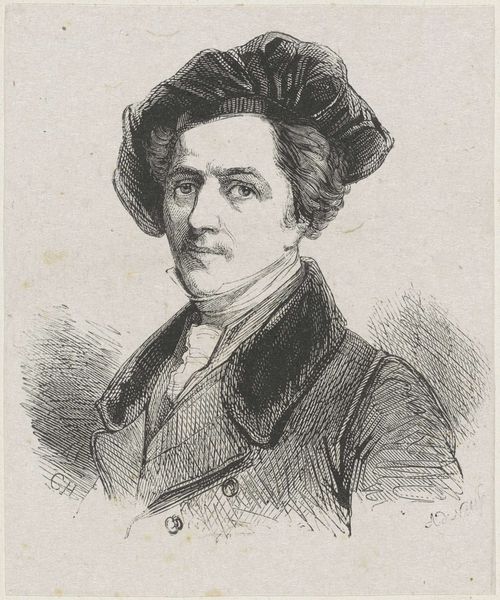
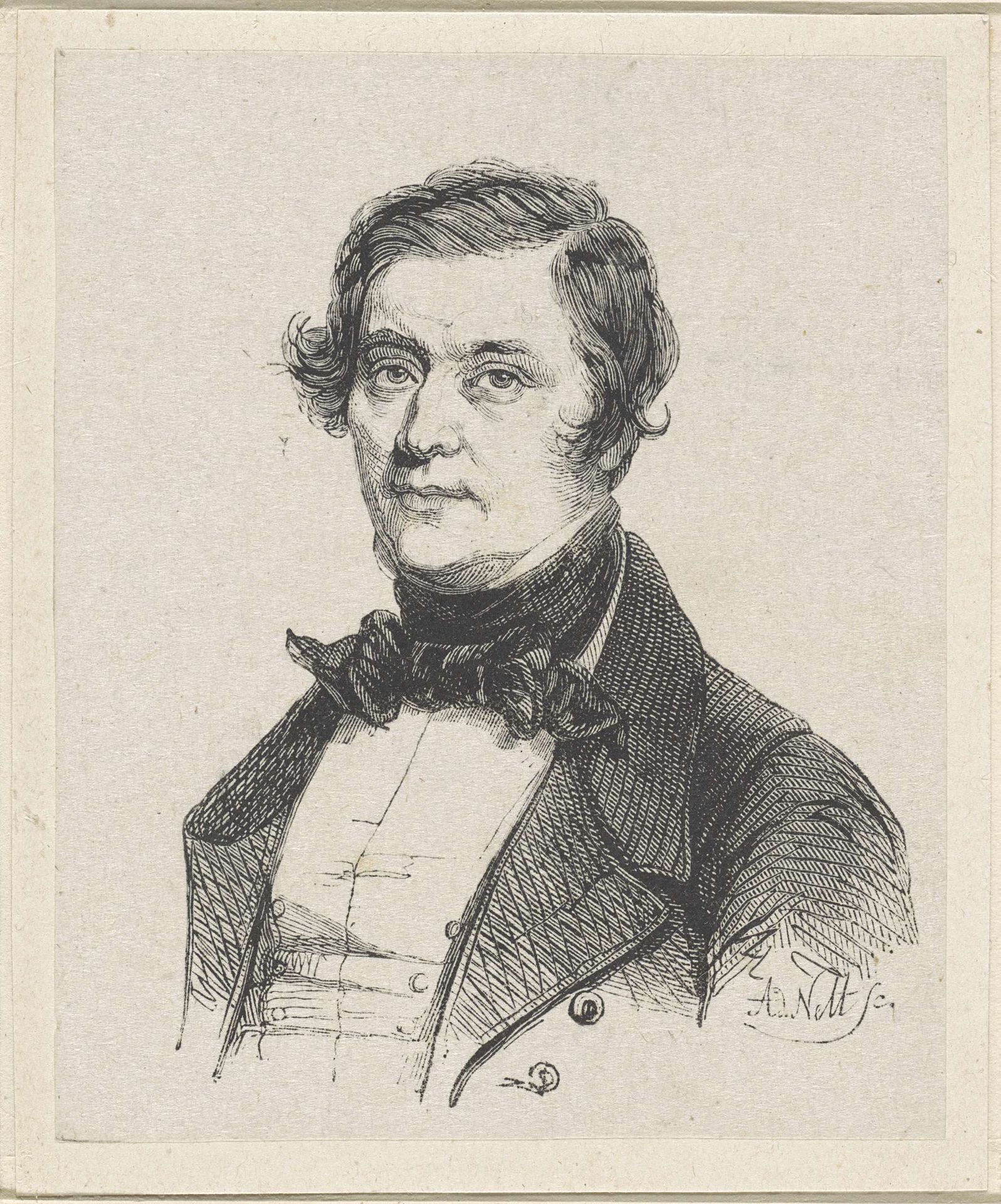
Portret van Antonie Waldorp

Adolphe Frédéric Nett
1822Location
RijksmuseumListen to curator's interpretation
Curatorial notes
Editor: This is a portrait of Antonie Waldorp by Adolphe Frédéric Nett, made sometime between 1832 and 1900. It's an engraving, so a print. I’m struck by how much detail Nett managed to achieve with what must have been a fairly painstaking process. What's your take on this print? Curator: I think it’s crucial to examine this engraving not just as a representation, but as an object produced within a specific material and social context. Consider the labor involved. Engraving was a highly skilled craft, a form of reproductive technology allowing images to be disseminated widely. This print flattens Waldorp into a commodity, doesn’t it? Editor: I suppose it does, yeah. I hadn’t thought about it that way. But it's still art, isn't it? Curator: The line between “art” and craft is itself a social construct, one we need to question. Who decides what is high art and what is merely reproduction or documentation? The materials themselves – the metal plate, the ink, the paper – speak to the industrializing forces of the 19th century. This portrait of Antonie Waldorp becomes a product in a chain of production. How might that understanding influence our reading of the image itself? Editor: That’s really interesting. I guess focusing on the materials and process shifts the emphasis from Waldorp the individual, to the broader economy of image-making at the time. So you're seeing beyond the surface, into the conditions that made it possible. Curator: Precisely. And that critical perspective is something that can greatly deepen our engagement with even a seemingly simple portrait like this. It's about the conditions of its creation, the means of its distribution. Editor: Definitely gives you a new appreciation for something that looks rather classical on the surface! Thanks for opening my eyes to that!