About this artwork
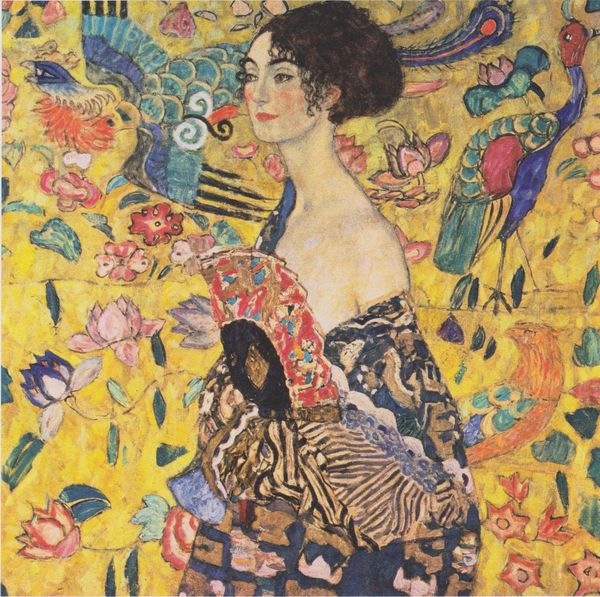
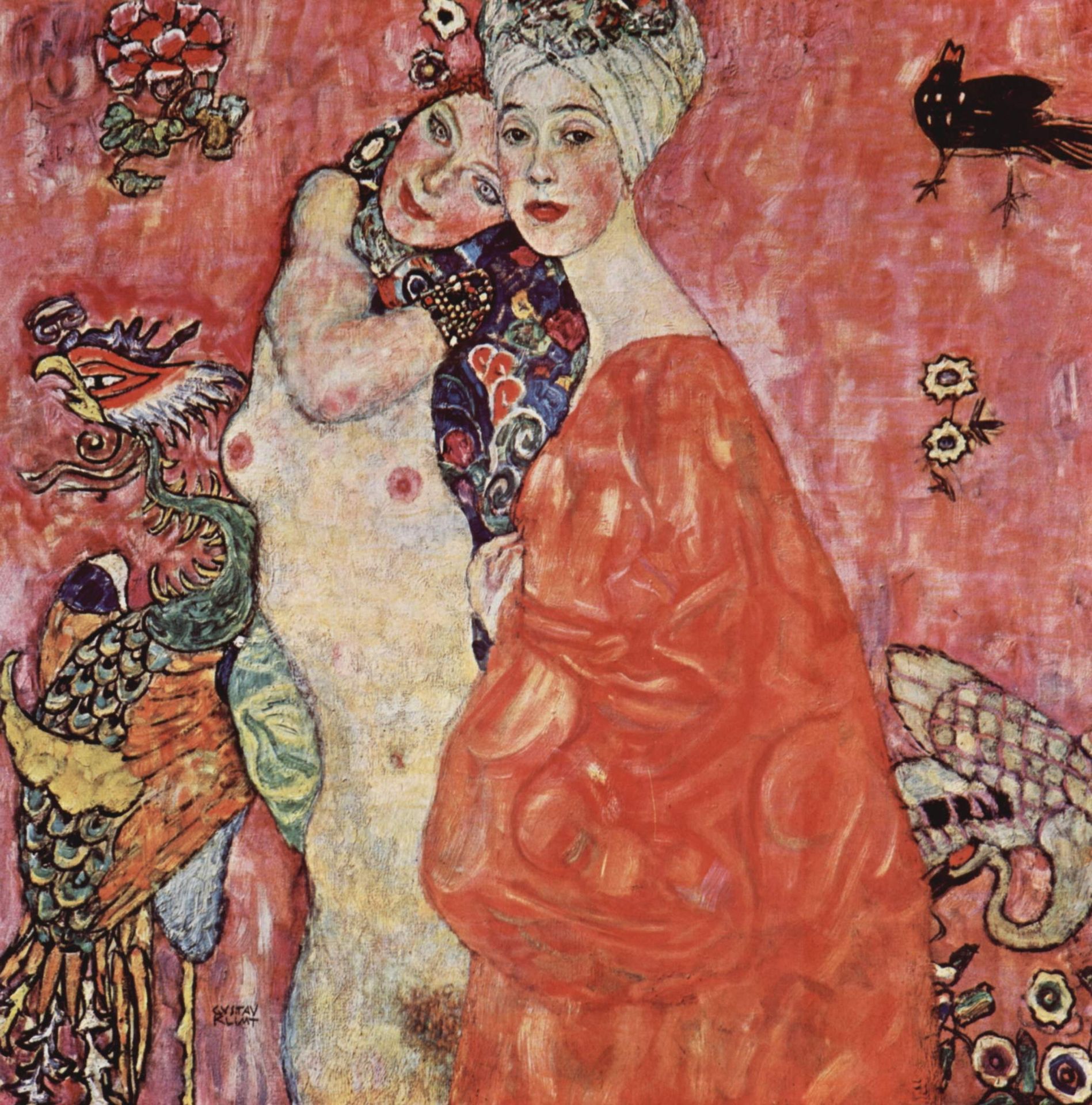
Gustav Klimt made "The Women Friends" with oil paints, and well, we can only imagine it now, since it was destroyed. I love how the almost monochromatic pink palette gives a dreamy feel, a bit like looking at an old photograph. Klimt's process feels like he's building up layers, like memories piling on top of each other. The texture isn’t super obvious, but you sense the layering of paint, a history of touch. Look at the dragon on the left, how it both blends into and pops out of the background. It’s a great example of how Klimt plays with flatness and depth. The whole piece feels like a decorative object, but also an intimate one. Thinking about process, I see echoes of Matisse in the decorative patterns and bold colors, or maybe even Paula Modersohn-Becker in the earthy tones. Art is a conversation across time and between artists, and Klimt was definitely part of that.

Artwork details
- Medium
- painting, oil-paint
- Location
- Destroyed
- Copyright
- Public domain
Tags
portrait
art-nouveau
painting
oil-paint
figuration
symbolism
expressionist
erotic-art
Comments
No comments
About this artwork
Gustav Klimt made "The Women Friends" with oil paints, and well, we can only imagine it now, since it was destroyed. I love how the almost monochromatic pink palette gives a dreamy feel, a bit like looking at an old photograph. Klimt's process feels like he's building up layers, like memories piling on top of each other. The texture isn’t super obvious, but you sense the layering of paint, a history of touch. Look at the dragon on the left, how it both blends into and pops out of the background. It’s a great example of how Klimt plays with flatness and depth. The whole piece feels like a decorative object, but also an intimate one. Thinking about process, I see echoes of Matisse in the decorative patterns and bold colors, or maybe even Paula Modersohn-Becker in the earthy tones. Art is a conversation across time and between artists, and Klimt was definitely part of that.
Comments
No comments