About this artwork
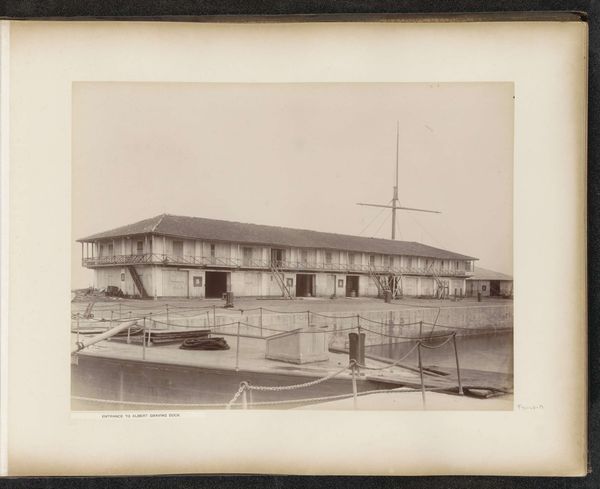
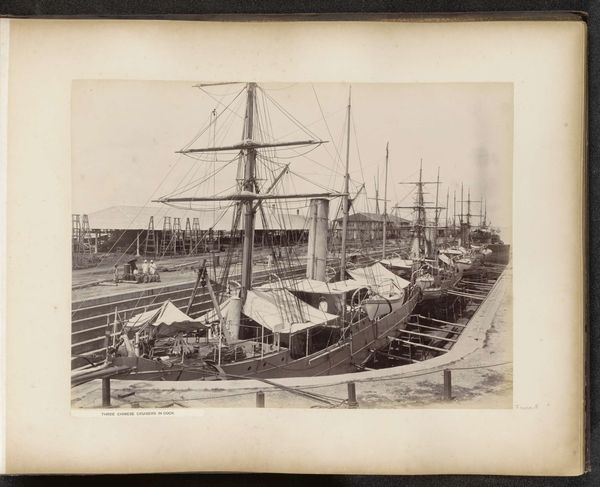
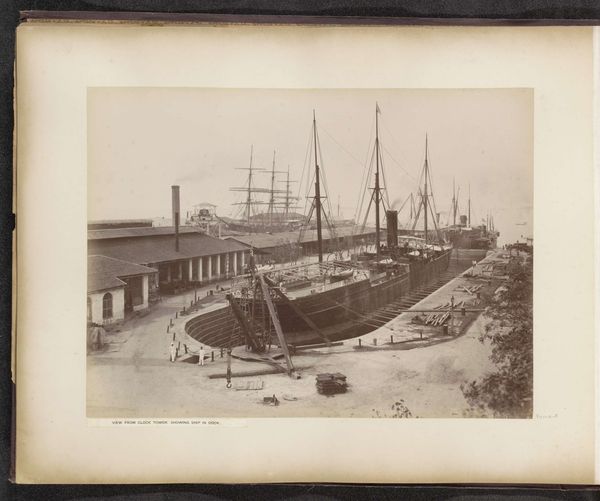
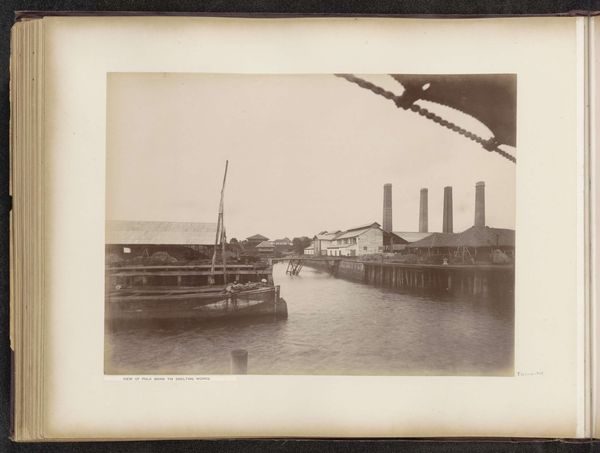
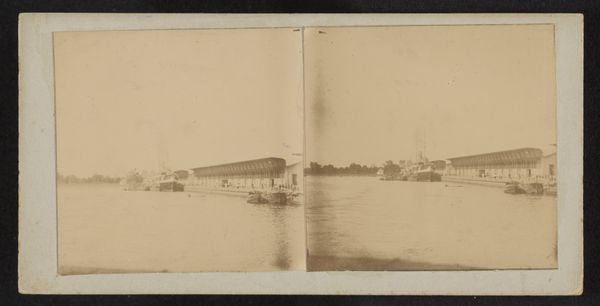
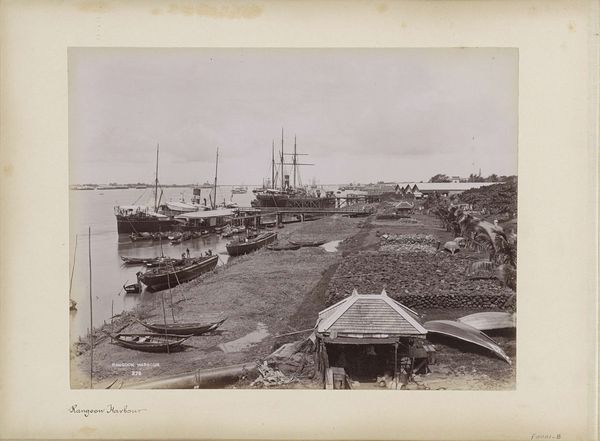
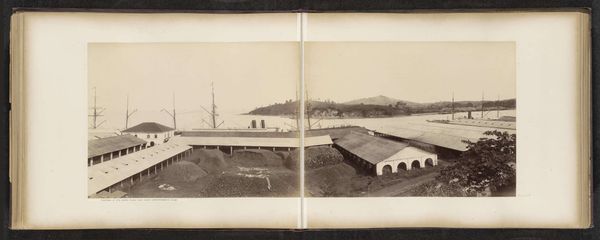
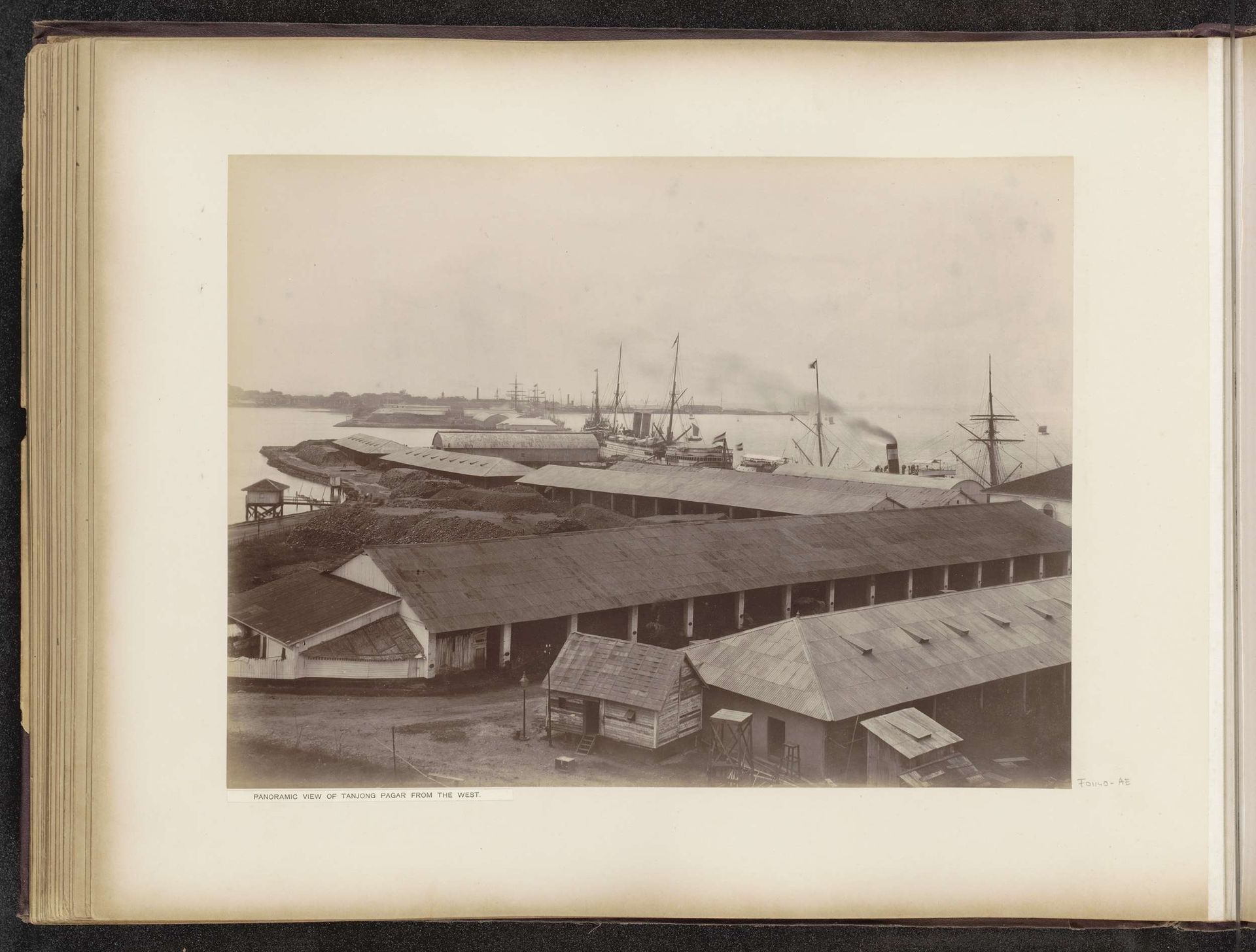
This albumen silver print, titled 'Tanjong Pagar in Singapore gezien vanuit het westen,' was created by G.R. Lambert & Co. The photograph presents a bird’s eye view of Tanjong Pagar, revealing the busy port with its long warehouses, ships, and bustling activity. The tones of the print, from deep browns to creamy whites, emphasize the textures of the wooden structures and the smoke billowing from the ships. The image’s material qualities—the smooth surface of the print and its sepia tones—reflect the techniques and tools available in the early days of commercial photography. Beyond aesthetics, the image is imbued with social significance, documenting Singapore's colonial economy and the labor-intensive port activities. Tanjong Pagar, now a historic district, was then a vital hub for trade, where the movement of goods and the labor of countless individuals were essential to the colonial economic engine. By exploring the materials, making, and historical context of this photograph, we gain a deeper understanding of its cultural value, challenging conventional divisions between commerce, labor, and art.
Tanjong Pagar in Singapore gezien vanuit het westen
before 1905

G.R. Lambert & Co.
@grlambertco2Location
RijksmuseumArtwork details
- Medium
- print, photography
- Dimensions
- height 264 mm, width 353 mm
- Location
- Rijksmuseum
- Copyright
- Rijks Museum: Open Domain
Tags
Comments
Share your thoughts
About this artwork
This albumen silver print, titled 'Tanjong Pagar in Singapore gezien vanuit het westen,' was created by G.R. Lambert & Co. The photograph presents a bird’s eye view of Tanjong Pagar, revealing the busy port with its long warehouses, ships, and bustling activity. The tones of the print, from deep browns to creamy whites, emphasize the textures of the wooden structures and the smoke billowing from the ships. The image’s material qualities—the smooth surface of the print and its sepia tones—reflect the techniques and tools available in the early days of commercial photography. Beyond aesthetics, the image is imbued with social significance, documenting Singapore's colonial economy and the labor-intensive port activities. Tanjong Pagar, now a historic district, was then a vital hub for trade, where the movement of goods and the labor of countless individuals were essential to the colonial economic engine. By exploring the materials, making, and historical context of this photograph, we gain a deeper understanding of its cultural value, challenging conventional divisions between commerce, labor, and art.
Comments
Share your thoughts