About this artwork
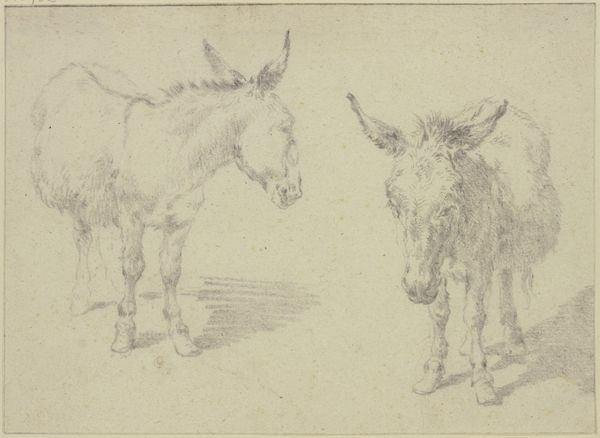
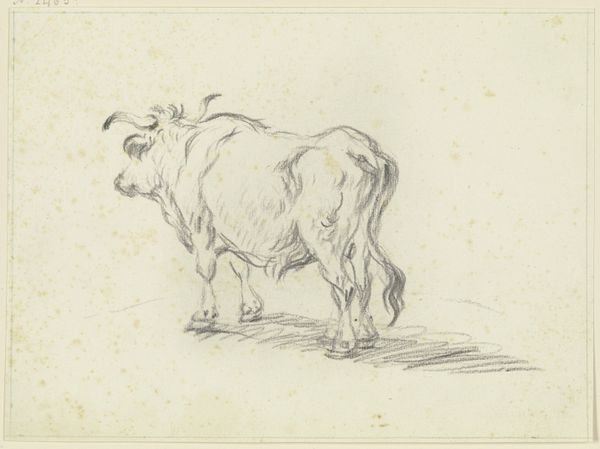
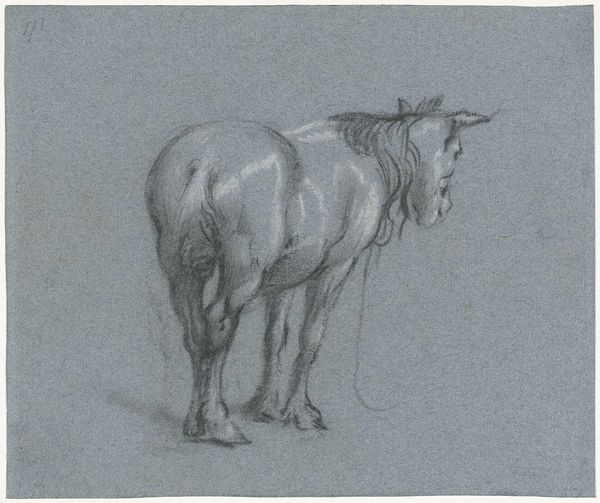
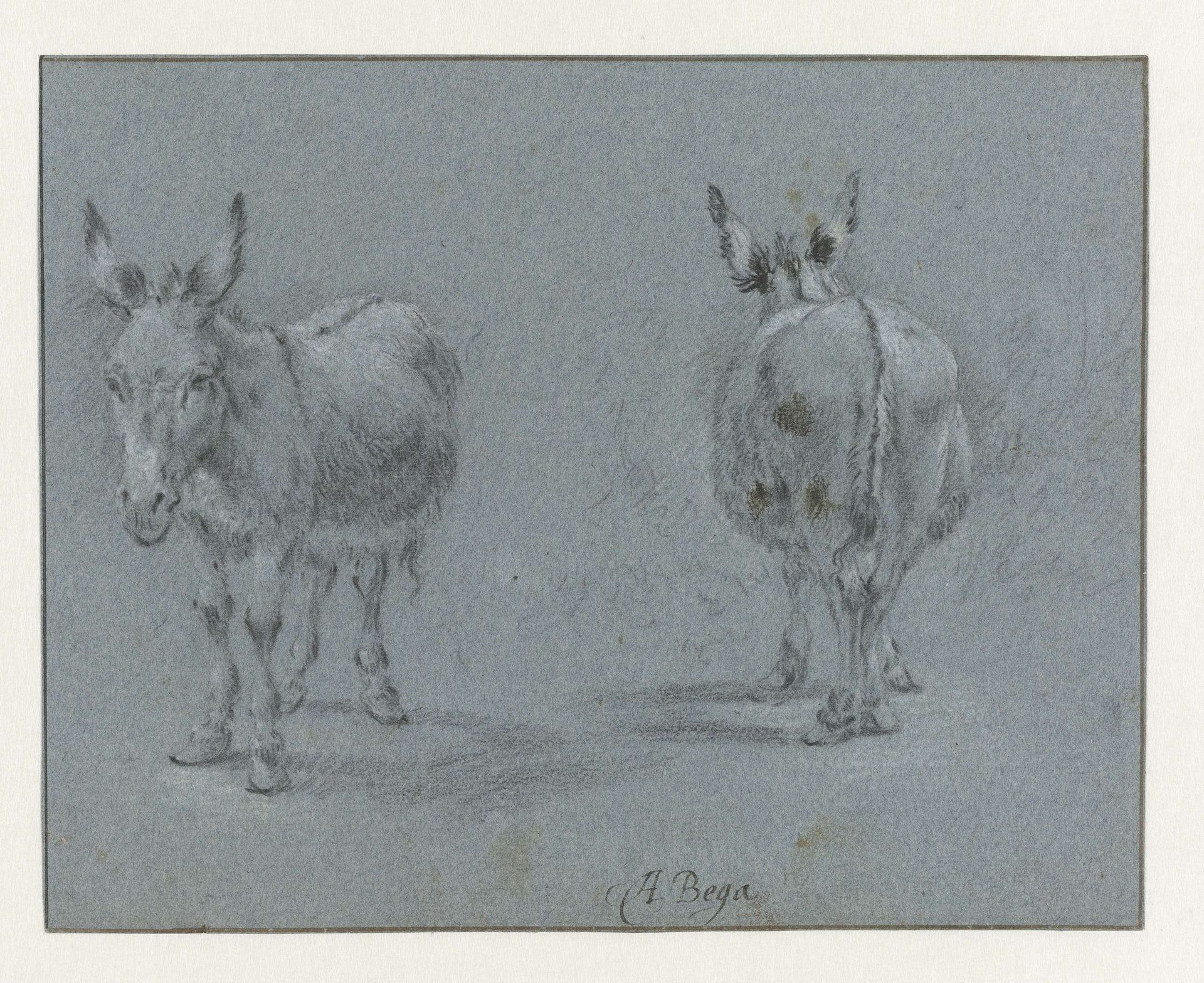
Abraham Jansz. Begeyn rendered these "Two Studies of a Donkey, Seen from the Front and Behind" in chalk, on paper prepared with grey. Begeyn was working in a Dutch society that often used animals, including donkeys, as symbols with multiple layers of meaning. The donkey was often used as an allegory for the lower classes, or the common people, particularly in the context of their labor and servitude. In this drawing, the presence of two studies allows for a contrast between the visible and the unseen, inviting questions about what each perspective reveals. It suggests an interest in the subjectivity of perception and the emotional weight of how one is seen, or perhaps, how one is used. Are we looking at a humble beast of burden, or is Begeyn inviting us to consider the dignity and presence of an individual? This drawing quietly asks us to consider how we assign value and meaning to those around us.
Two Studies of a Donkey, Seen from the Front and Behind c. 1660 - 1665

Artwork details
- Medium
- drawing, pencil, graphite
- Dimensions
- height 182 mm, width 230 mm
- Copyright
- Rijks Museum: Open Domain
Tags
portrait
drawing
animal
pencil sketch
landscape
figuration
pencil
graphite
realism
Comments
No comments
About this artwork
Abraham Jansz. Begeyn rendered these "Two Studies of a Donkey, Seen from the Front and Behind" in chalk, on paper prepared with grey. Begeyn was working in a Dutch society that often used animals, including donkeys, as symbols with multiple layers of meaning. The donkey was often used as an allegory for the lower classes, or the common people, particularly in the context of their labor and servitude. In this drawing, the presence of two studies allows for a contrast between the visible and the unseen, inviting questions about what each perspective reveals. It suggests an interest in the subjectivity of perception and the emotional weight of how one is seen, or perhaps, how one is used. Are we looking at a humble beast of burden, or is Begeyn inviting us to consider the dignity and presence of an individual? This drawing quietly asks us to consider how we assign value and meaning to those around us.
Comments
No comments