About this artwork
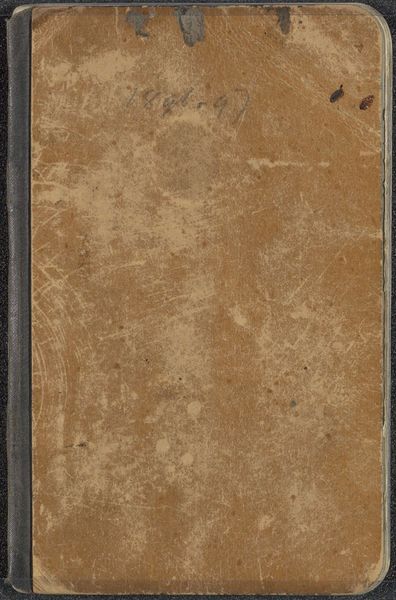
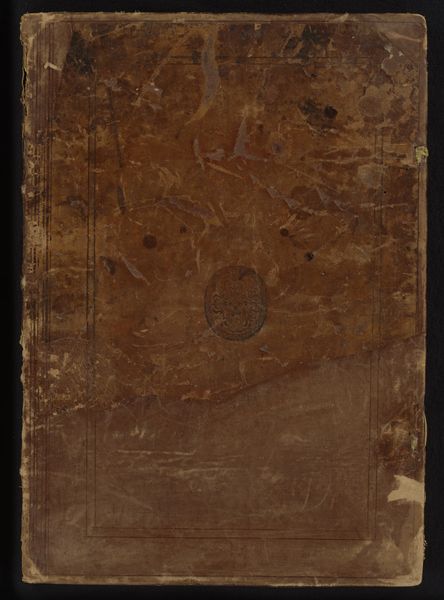
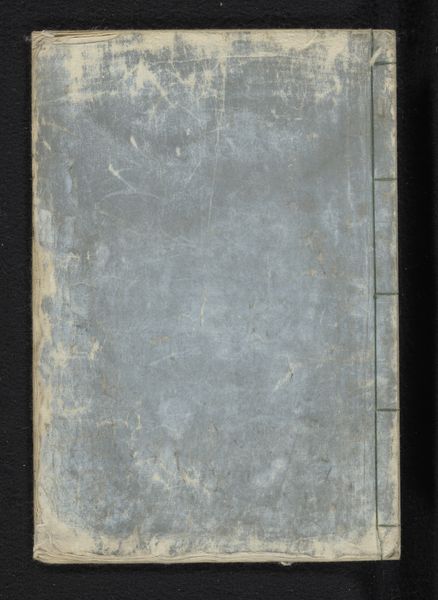
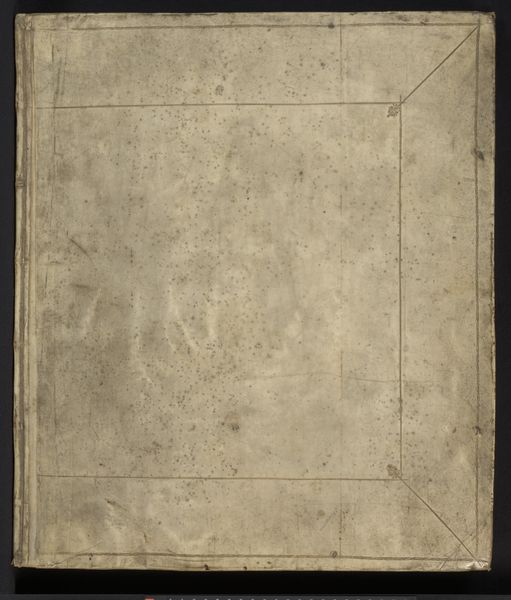
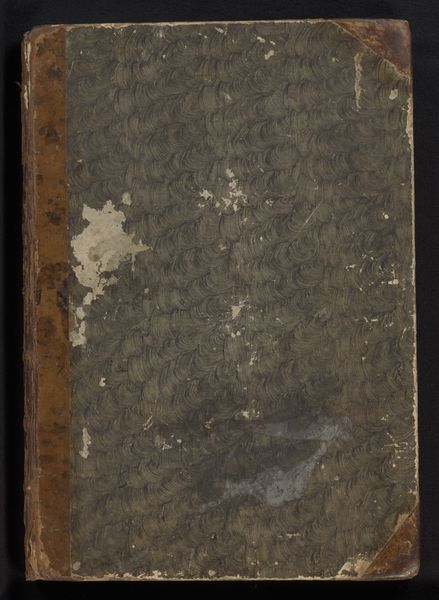
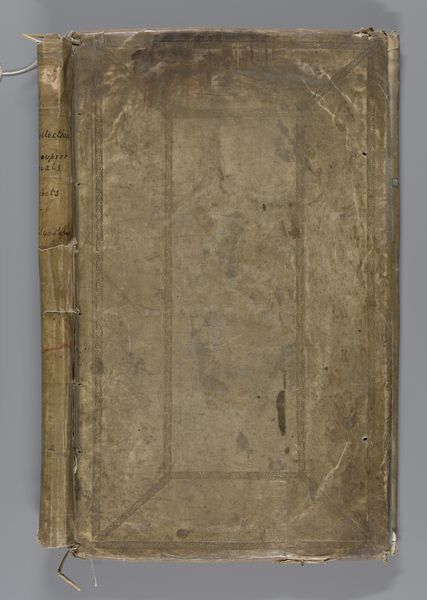
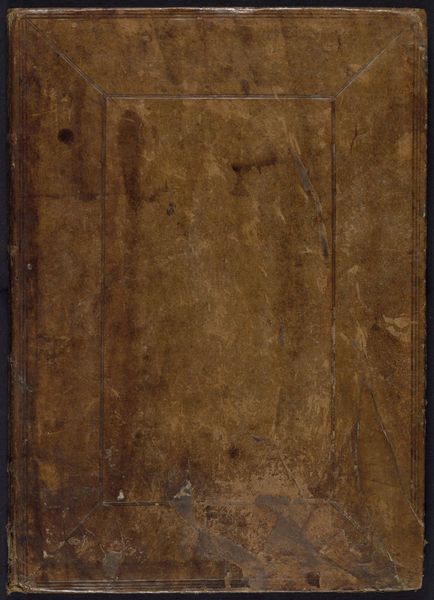
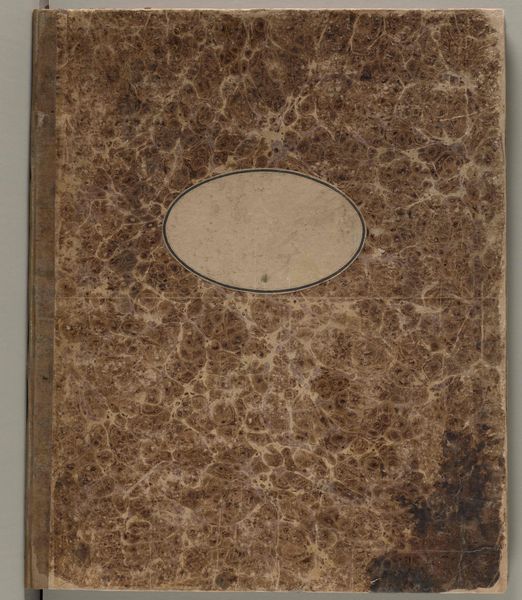
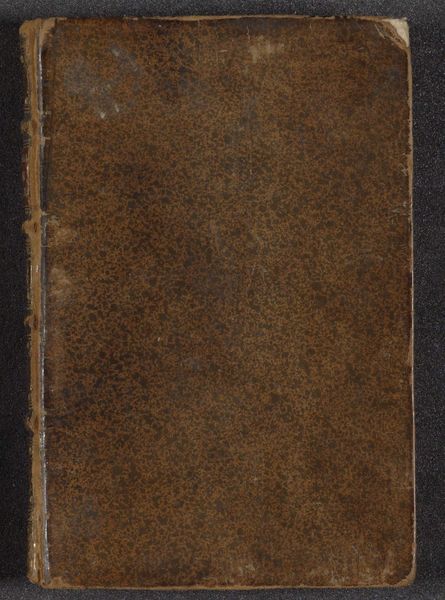
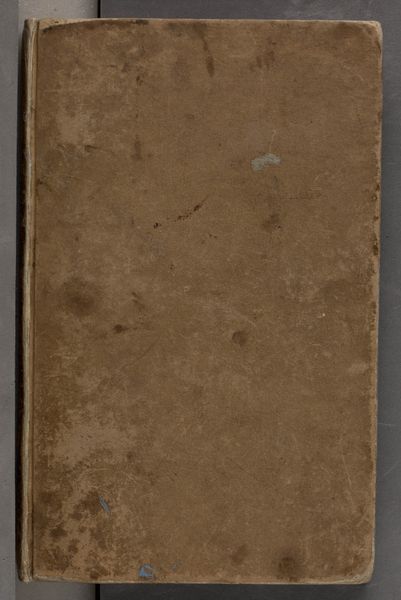
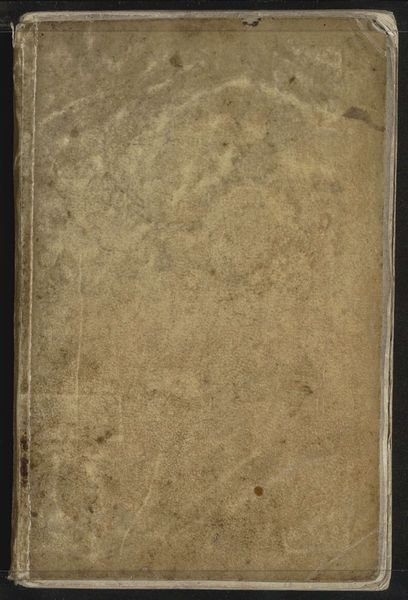
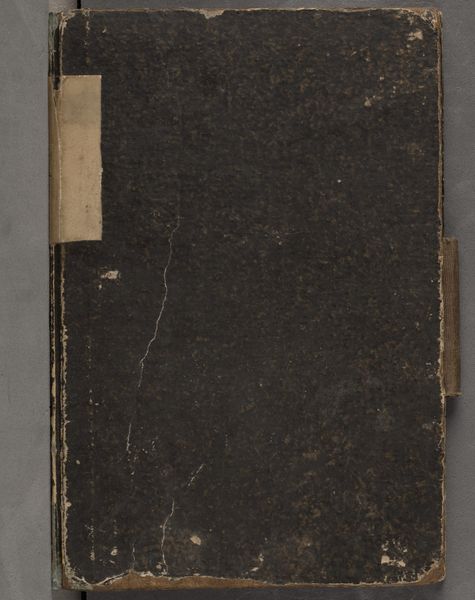
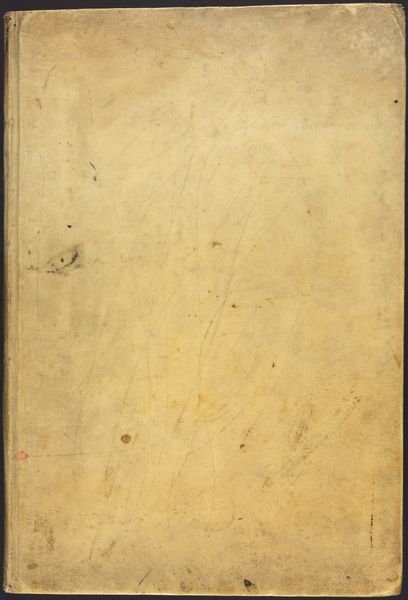
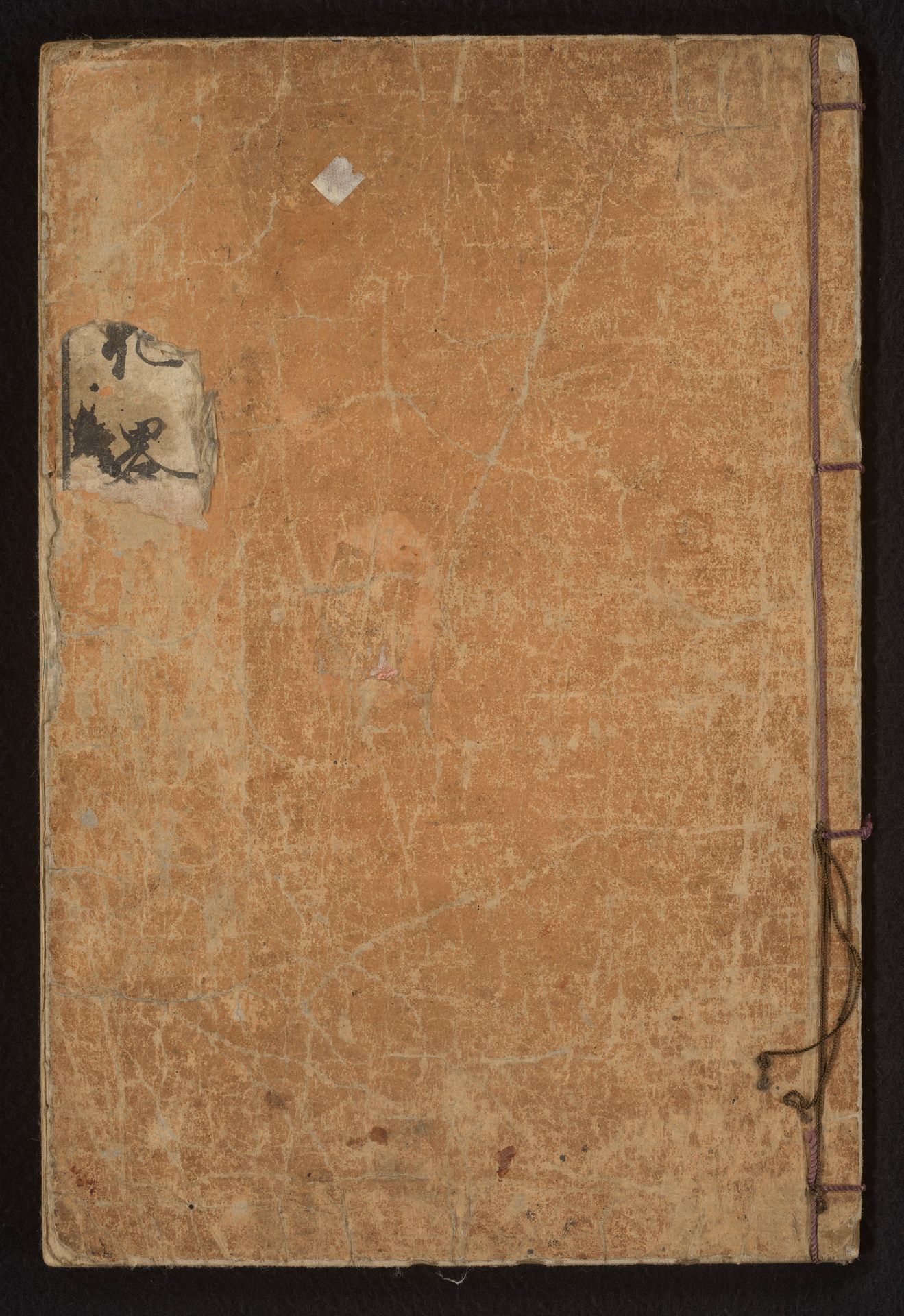
This is the cover of 'Beknopte schetsen van bloeiende planten', made by Masayoshi around the late 18th and early 19th century. We see a rectangular field of beige-ish tan, covered with a fine-grained pattern of cracks and stains. This surface creates a visual experience not unlike that of an abstract painting, where texture and slight chromatic variation become the primary elements. This can be viewed through the lens of semiotics, where the aged surface acts as a signifier for time, history, and the intrinsic materiality of the object itself. It invites us to consider how the structural components—the color, the texture, the aging—contribute to the overall meaning and impact of the artwork. Consider how the wear of time, typically a detractor, here adds another layer of meaning, complicating the relationship between the artwork and its reception.

Artwork details
- Medium
- drawing, paper
- Dimensions
- height 269 mm, width 180 mm
- Copyright
- Rijks Museum: Open Domain
Tags
Comments
Share your thoughts
About this artwork
This is the cover of 'Beknopte schetsen van bloeiende planten', made by Masayoshi around the late 18th and early 19th century. We see a rectangular field of beige-ish tan, covered with a fine-grained pattern of cracks and stains. This surface creates a visual experience not unlike that of an abstract painting, where texture and slight chromatic variation become the primary elements. This can be viewed through the lens of semiotics, where the aged surface acts as a signifier for time, history, and the intrinsic materiality of the object itself. It invites us to consider how the structural components—the color, the texture, the aging—contribute to the overall meaning and impact of the artwork. Consider how the wear of time, typically a detractor, here adds another layer of meaning, complicating the relationship between the artwork and its reception.
Comments
Share your thoughts